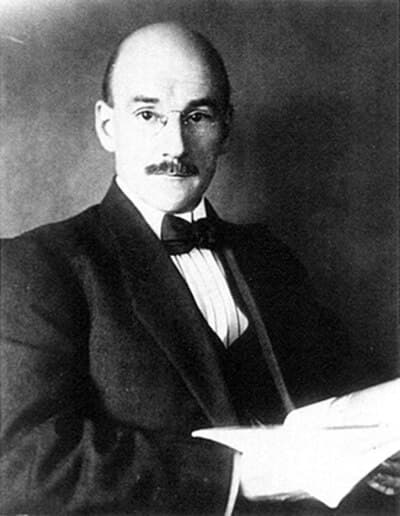
Henry Herbert Goddard
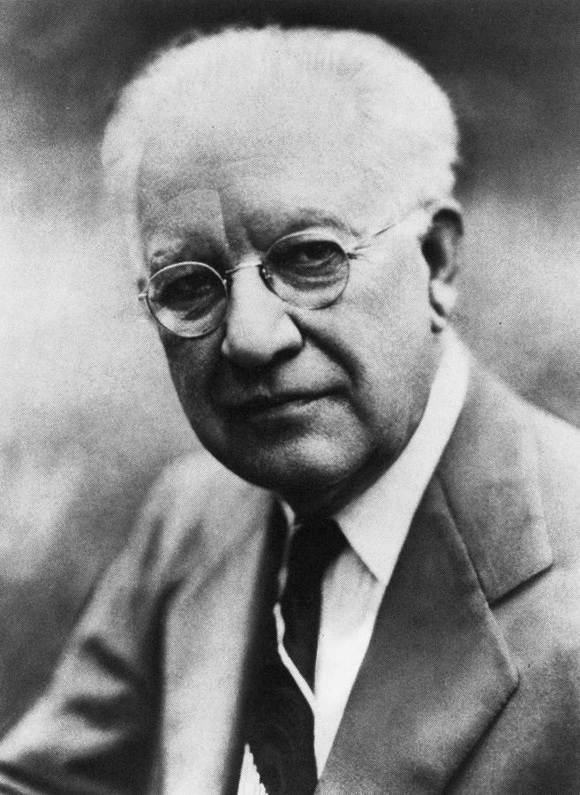
Henry Herbert Goddard was an influential American psychologist and eugenicist whose work significantly impacted the fields of intelligence testing and clinical psychology in the early 20th century. He is best known for his 1912 publication, *The Kallikak Family: A Study in the Heredity of Feeble-Mindedness*, which aimed to illustrate the hereditary nature of mental deficiencies. Although Goddard later criticized the work for its historical inaccuracies, it nonetheless played a pivotal role in popularizing eugenic ideas during a time when such theories were gaining traction in American society. His translation of the Binet-Simon Intelligence Test into English in 1908 further established him as a key figure in the movement to apply intelligence testing across various societal institutions, including schools and the military. Goddard's contributions extended beyond testing; he was instrumental in advocating for the educational rights of children with disabilities, co-authoring the first U.S. law that mandated special education for blind, deaf, and intellectually disabled children in public schools. His controversial introduction of the term 'moron' into clinical vocabulary and his testimony in court regarding the implications of subnormal intelligence on criminal responsibility marked significant, albeit contentious, developments in the understanding of intelligence and its societal implications. Despite the ethical concerns surrounding his work and the eugenics movement, Goddard's legacy remains a complex part of the history of psychology and education in America.
Books from the author









Link to this page
Add a free, dofollow link to Lex on your blog, forum, syllabus, or reading list.

<a href="https://lex-books.com/author/henry-herbert-goddard"><img src="https://lex-books.com/badges/read-on-lex.svg" alt="Henry Herbert Goddard on Lex" width="160" height="40"></a>[](https://lex-books.com/author/henry-herbert-goddard)[url=https://lex-books.com/author/henry-herbert-goddard][img]https://lex-books.com/badges/read-on-lex.svg[/img][/url]Henry Herbert Goddard on Lex: https://lex-books.com/author/henry-herbert-goddard