
Joseph Collins
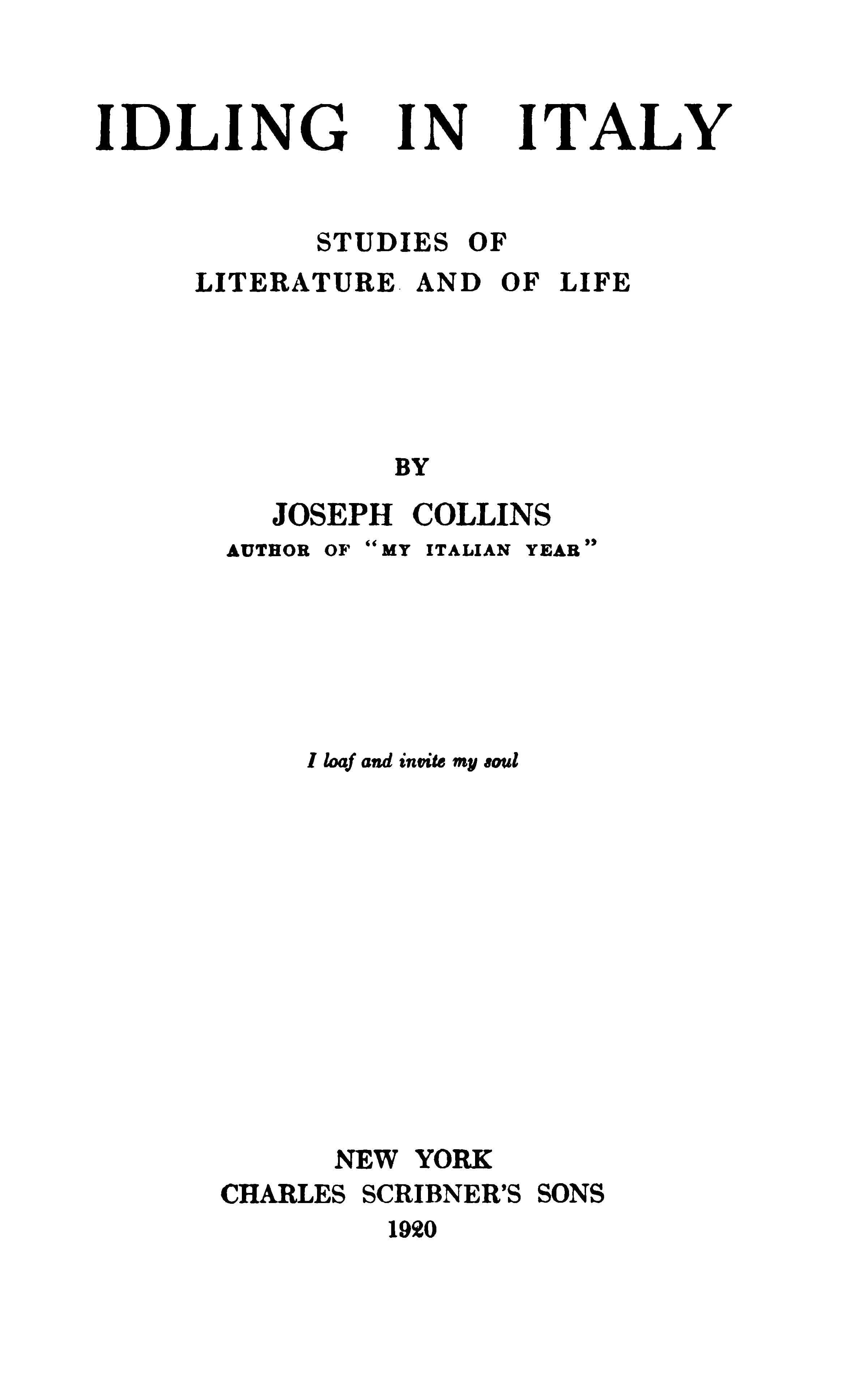
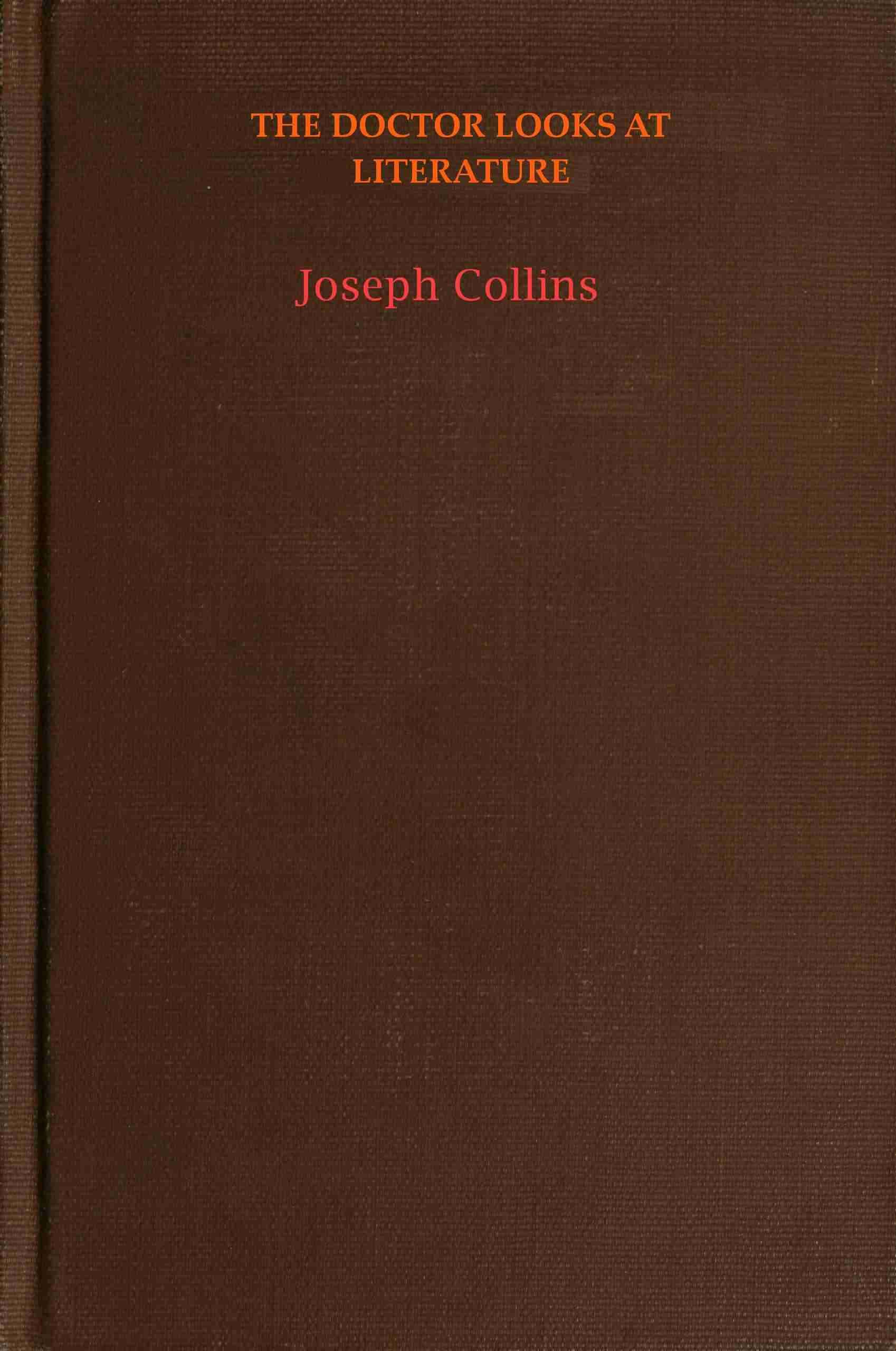
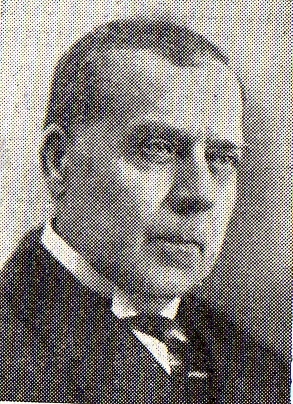
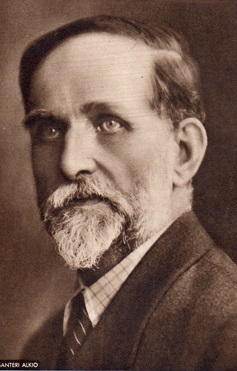
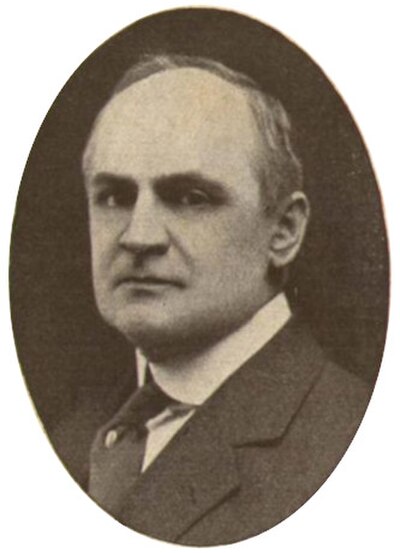
Joseph Collins was an American physician and author known for his insightful explorations of literature and life through a psychological lens. His works often bridged the gap between medicine and literature, reflecting his dual interests in the human condition and narrative art. In 'Idling in Italy: Studies of Literature and of Life,' Collins offered a contemplative look at Italian culture and literature, blending personal reflections with broader literary analysis. This work exemplified his ability to intertwine travel writing with literary critique, showcasing his unique perspective as both a doctor and a scholar. Collins's other notable works, 'The Doctor Looks at Literature' and 'The Doctor Looks at Biography,' further emphasized his psychological approach to literary studies. In these texts, he examined the interplay between an author's life experiences and their literary output, providing readers with a nuanced understanding of how personal narratives shape artistic expression. His contributions to literary criticism remain significant for their innovative fusion of psychological insight and literary analysis, marking him as a distinctive voice in early 20th-century American literature. Collins's legacy lies in his ability to illuminate the complexities of human experience through both medical and literary lenses.
Famous Quotes
View all 4 quotes“Do you believe in dreams? I hope, for your own sake, that you do. See what Scripture says about dreams and their fulfilment (Genesis xl. 8, xli. 25; Daniel iv. 18-25), and take the warning I send you before it is too late.Last night I dreamed about you, Miss Fairlie…Believe too, Miss Fairlie”
“Collins looked behind to see the air intake of a MiG-15, so close and huge it looked like a train tunnel. The””
“The dominant pattern of history isn’t stability, but instability; the dominant pattern of business isn’t perpetuation of the incumbents, but triumph of the insurgents; the dominant pattern of capitalism isn’t equilibrium, but what Joseph Schumpeter famously described as the “perennial gale of creative destruction””
Books from the author







Link to this page
Add a free, dofollow link to Lex on your blog, forum, syllabus, or reading list.

<a href="https://lex-books.com/author/joseph-collins"><img src="https://lex-books.com/badges/read-on-lex.svg" alt="Joseph Collins on Lex" width="160" height="40"></a>[](https://lex-books.com/author/joseph-collins)[url=https://lex-books.com/author/joseph-collins][img]https://lex-books.com/badges/read-on-lex.svg[/img][/url]Joseph Collins on Lex: https://lex-books.com/author/joseph-collins