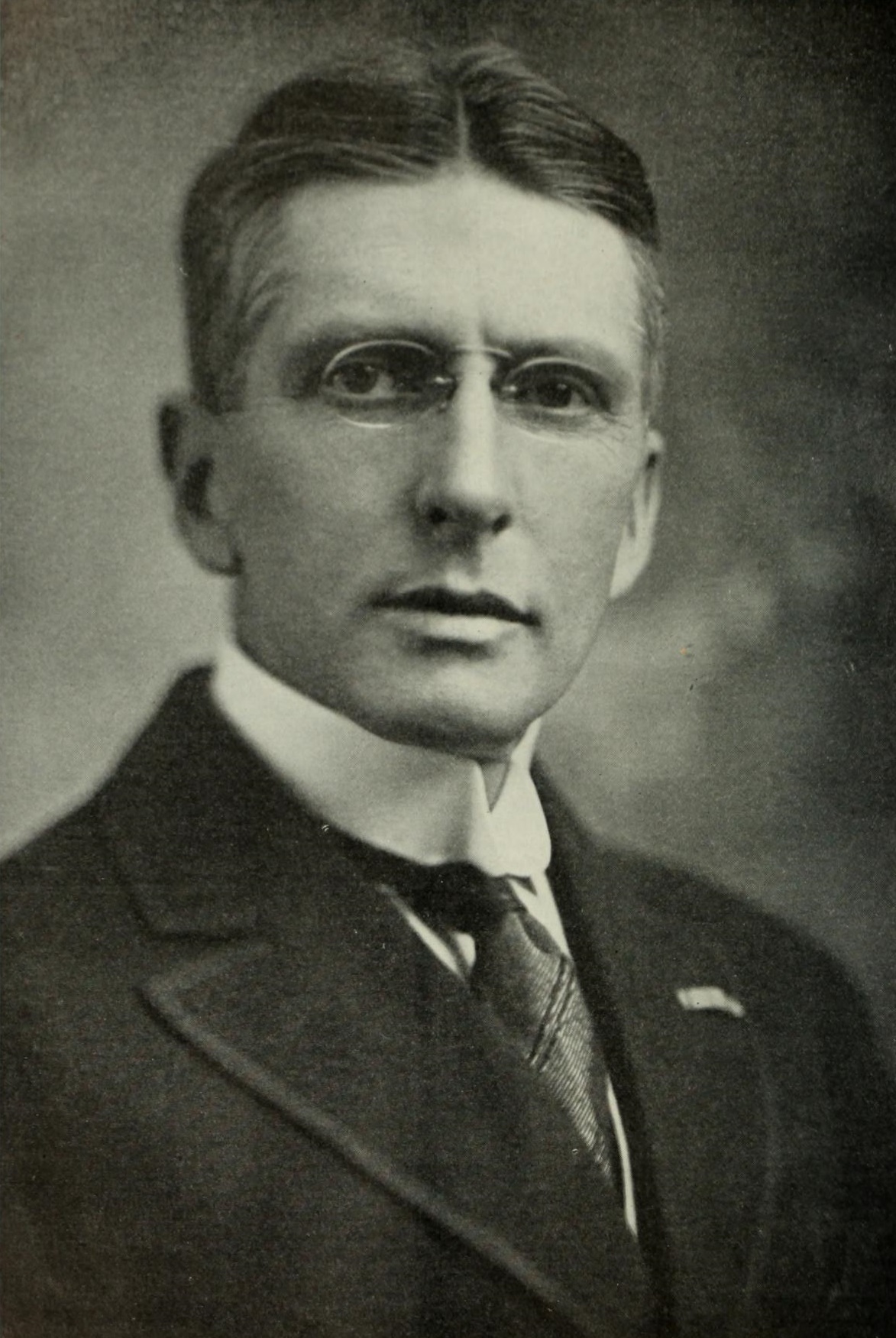
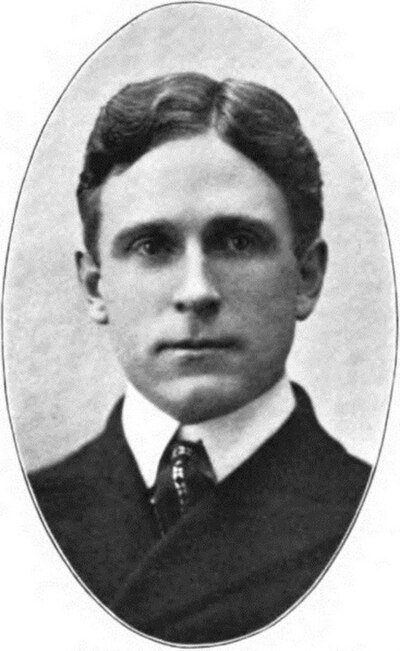
George Herbert Betts
George Herbert Betts was an influential American educator and author, known for his contributions to educational theory and practice in the early 20th century. His works often focused on the psychological aspects of learning and the importance of adapting educational methods to meet the needs of students. Betts believed in the power of education to transform lives and communities, advocating for innovative approaches that emphasized critical thinking and personal development. Among his notable works, 'The Mind and Its Education' stands out as a seminal text that explored the relationship between cognitive processes and educational practices. In 'New Ideals in Rural Schools,' Betts addressed the unique challenges faced by rural education systems and proposed progressive solutions to enhance learning environments. His book 'How to Teach Religion: Principles and Methods' reflects his commitment to integrating moral and ethical education into the curriculum, highlighting the significance of teaching values alongside academic subjects. Through his writings, Betts left a lasting impact on educational reform and inspired generations of educators to rethink traditional teaching methods. Betts's legacy is marked by his forward-thinking ideas that emphasized the importance of understanding the mind in the context of education. His advocacy for progressive educational practices contributed to shaping modern educational philosophies, making him a key figure in the evolution of teaching methods in the United States during his time.
Famous Quotes
View all 1 quotes“There would be no great men if there were no little ones.”
Books from the author



Link to this page
Add a free, dofollow link to Lex on your blog, forum, syllabus, or reading list.

<a href="https://lex-books.com/author/george-herbert-betts"><img src="https://lex-books.com/badges/read-on-lex.svg" alt="George Herbert Betts on Lex" width="160" height="40"></a>[](https://lex-books.com/author/george-herbert-betts)[url=https://lex-books.com/author/george-herbert-betts][img]https://lex-books.com/badges/read-on-lex.svg[/img][/url]George Herbert Betts on Lex: https://lex-books.com/author/george-herbert-betts