
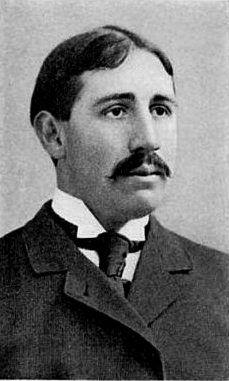
Warren H. Wilson
Warren H. Wilson was an American sociologist and author whose work focused on the intersection of religion and community life. He is best known for his influential studies, including 'Quaker Hill: A Sociological Study,' which explored the social dynamics and religious practices of the Quaker community in New York. Through meticulous research and observation, Wilson provided insights into the ways in which faith shapes social structures and individual behavior, making significant contributions to the field of religious sociology. In 'The Evolution of the Country Community: A Study in Religious Sociology,' Wilson examined the development of rural communities and their religious institutions, analyzing how these elements interact and evolve over time. His work not only highlighted the importance of religion in shaping community identity but also underscored the broader sociological implications of these dynamics. Wilson's scholarship remains relevant for those studying the role of religion in society and the complexities of community life, marking him as a significant figure in early 20th-century sociology.
Books from the author












Link to this page
Add a free, dofollow link to Lex on your blog, forum, syllabus, or reading list.

<a href="https://lex-books.com/author/warren-h-wilson"><img src="https://lex-books.com/badges/read-on-lex.svg" alt="Warren H. Wilson on Lex" width="160" height="40"></a>[](https://lex-books.com/author/warren-h-wilson)[url=https://lex-books.com/author/warren-h-wilson][img]https://lex-books.com/badges/read-on-lex.svg[/img][/url]Warren H. Wilson on Lex: https://lex-books.com/author/warren-h-wilson