
Charles Horton Cooley
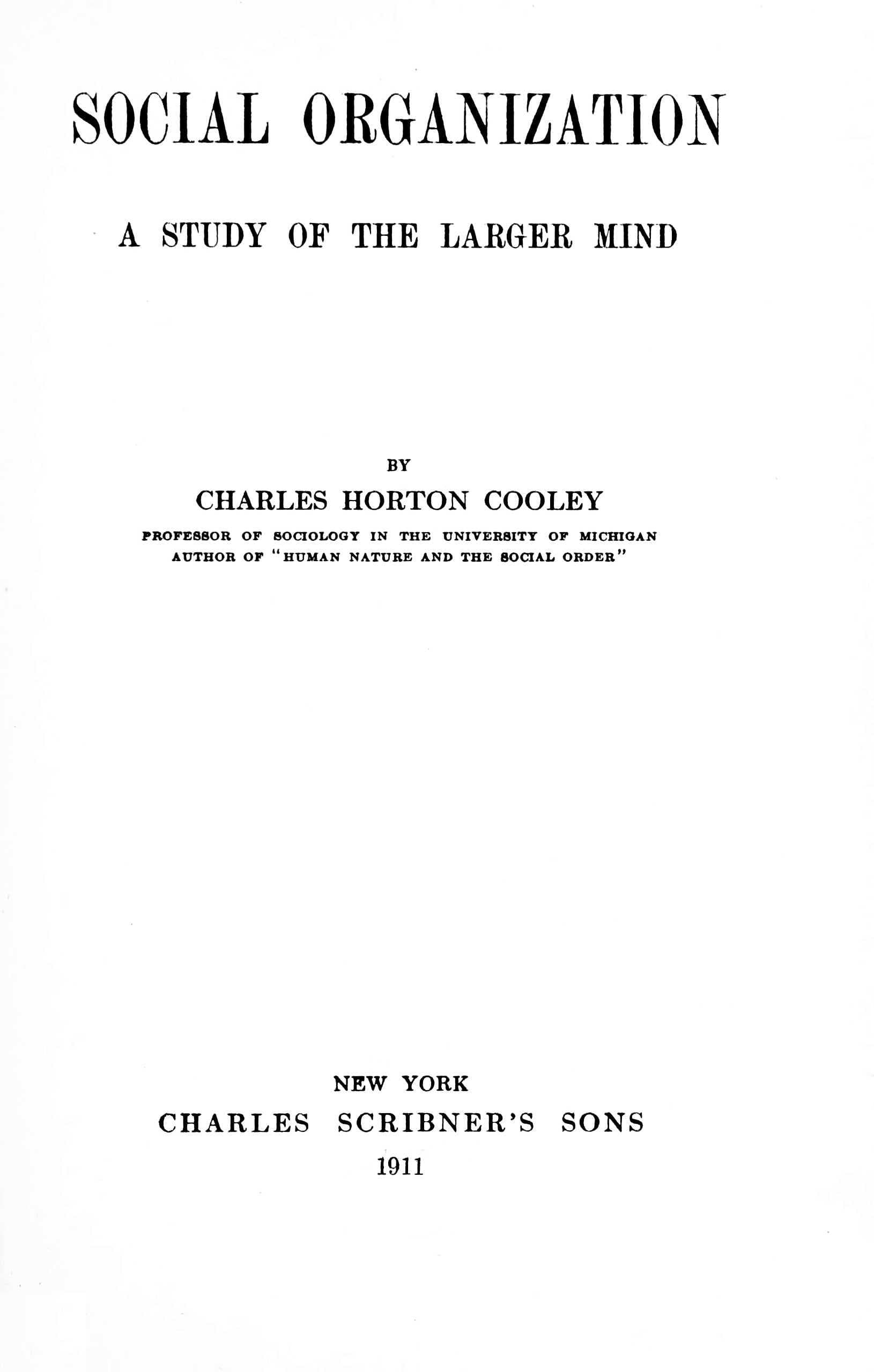
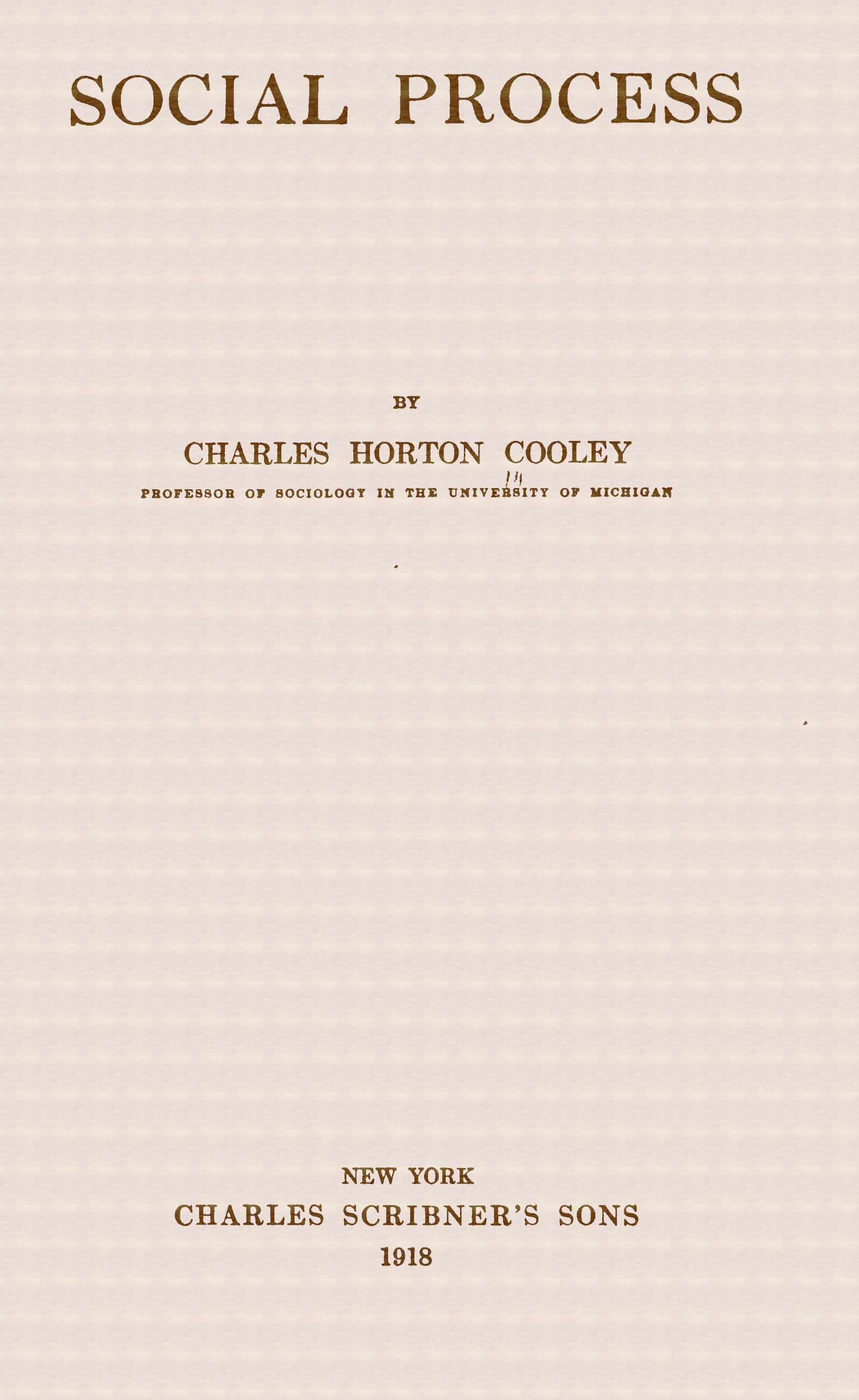
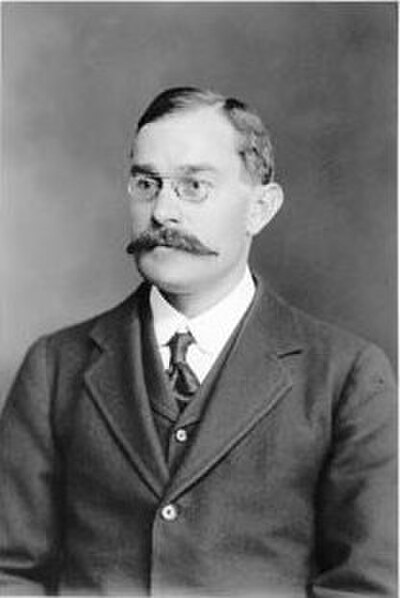
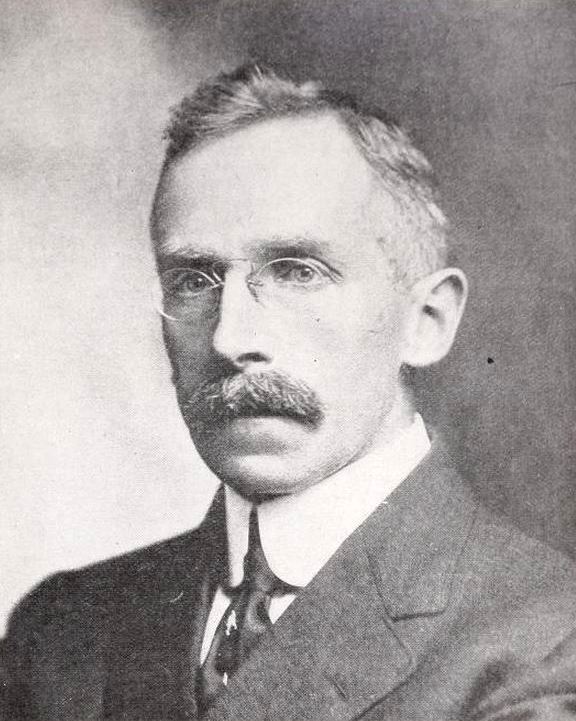
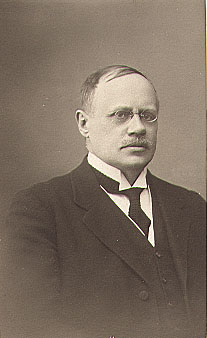
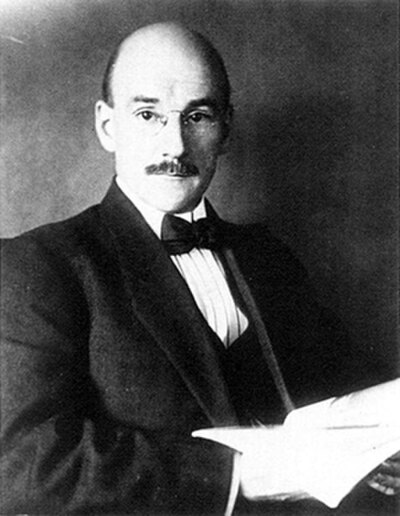
Charles Horton Cooley was an influential American sociologist whose work laid the foundation for modern social psychology. Born into a prominent family in Michigan, he pursued his education at the University of Michigan, where he later became a faculty member, teaching economics and sociology. Cooley was a pivotal figure in the establishment of the American Sociological Association, serving as its eighth president in 1918. His academic contributions were significant, particularly his exploration of the self and social interaction, which he articulated through his seminal concept of the 'looking-glass self.' This idea posited that individuals develop their self-concept based on how they believe others perceive them, emphasizing the social nature of identity formation. Cooley's major works, including 'Human Nature and the Social Order' and 'Social Organization,' expanded on the interplay between individual psychology and societal structures. His emphasis on the importance of community and social relationships in shaping human behavior distinguished him from his contemporaries. Cooley's legacy endures in the fields of sociology and psychology, influencing subsequent generations of thinkers and researchers who continue to explore the dynamics of self and society. His insights into the social construction of identity remain relevant, underscoring the importance of interpersonal relationships in understanding human behavior.
Famous Quotes
View all 3 quotes“I am not what I think I am, and I am not what you think I am. I am what I think you think I am.”
“An artist cannot fail; it is a success to be one.”
“Every lover of books has authors whom he reads over and over again, whom he cares for as persons and not as sources of information, who are more to him, possibly, than any person he sees. He continually returns to the cherished companion and feeds eagerly upon his thought. It is because there is something in the book which he needs, which awakens and directs trains of thought that lead him where he likes to be led.”
Books from the author





Link to this page
Add a free, dofollow link to Lex on your blog, forum, syllabus, or reading list.

<a href="https://lex-books.com/author/charles-horton-cooley"><img src="https://lex-books.com/badges/read-on-lex.svg" alt="Charles Horton Cooley on Lex" width="160" height="40"></a>[](https://lex-books.com/author/charles-horton-cooley)[url=https://lex-books.com/author/charles-horton-cooley][img]https://lex-books.com/badges/read-on-lex.svg[/img][/url]Charles Horton Cooley on Lex: https://lex-books.com/author/charles-horton-cooley