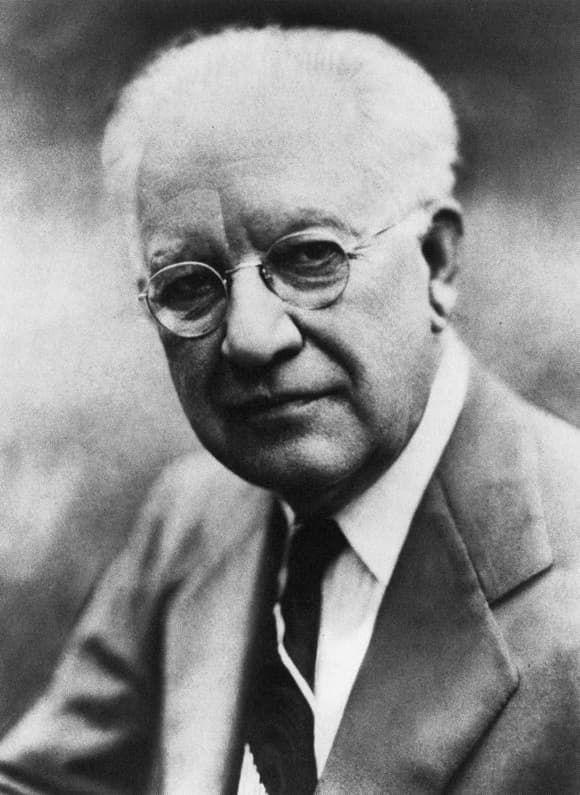
Robert Ezra Park
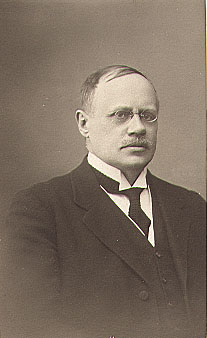
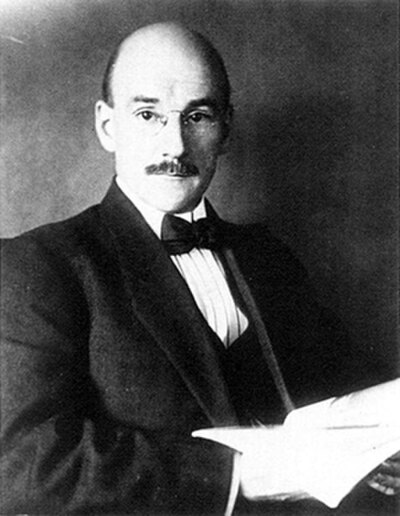
Robert Ezra Park was a pioneering American urban sociologist whose work fundamentally transformed the field of sociology in the early 20th century. He shifted the discipline from a theoretical framework to one grounded in empirical research, emphasizing the importance of human behavior in urban settings. Park's tenure at the Tuskegee Institute alongside Booker T. Washington from 1905 to 1914 marked a significant phase in his career, where he began to explore the complexities of race relations and community dynamics. Later, as a prominent figure at the University of Chicago from 1914 to 1933, he was instrumental in establishing the Chicago School of sociology, which became a leading center for sociological research and theory development. Park's contributions to sociology included significant advancements in human ecology, cultural assimilation, and social movements. He was a strong advocate for participant observation as a research method, particularly in criminology, which allowed for a deeper understanding of social disorganization and urban life. By framing sociology as a natural science rather than a moral one, Park challenged prevailing notions of the discipline, arguing for its role in investigating the processes that bind individuals into cohesive societies. His legacy endures in the foundational theories of sociology and urban studies, influencing generations of sociologists and researchers in understanding the complexities of social life.
Famous Quotes
View all 3 quotes“It is probably no mere historical accident that the word person, in its first meaning, is a mask. It is rather a recognition of the fact that everyone is always and everywhere, more or less consciously, playing a role.”
“Every sentiment has a history, either in the experience of the individual, or in the experience of the race, but the person who acts on that sentiment may not be aware of the history.”
“If the plants have minds, as some people assume they do, they must be of that brooding, vegetative sort characteristic of those mystics who, quite forgetful of the active world, are absorbed in the contemplation of their own inner processes.”
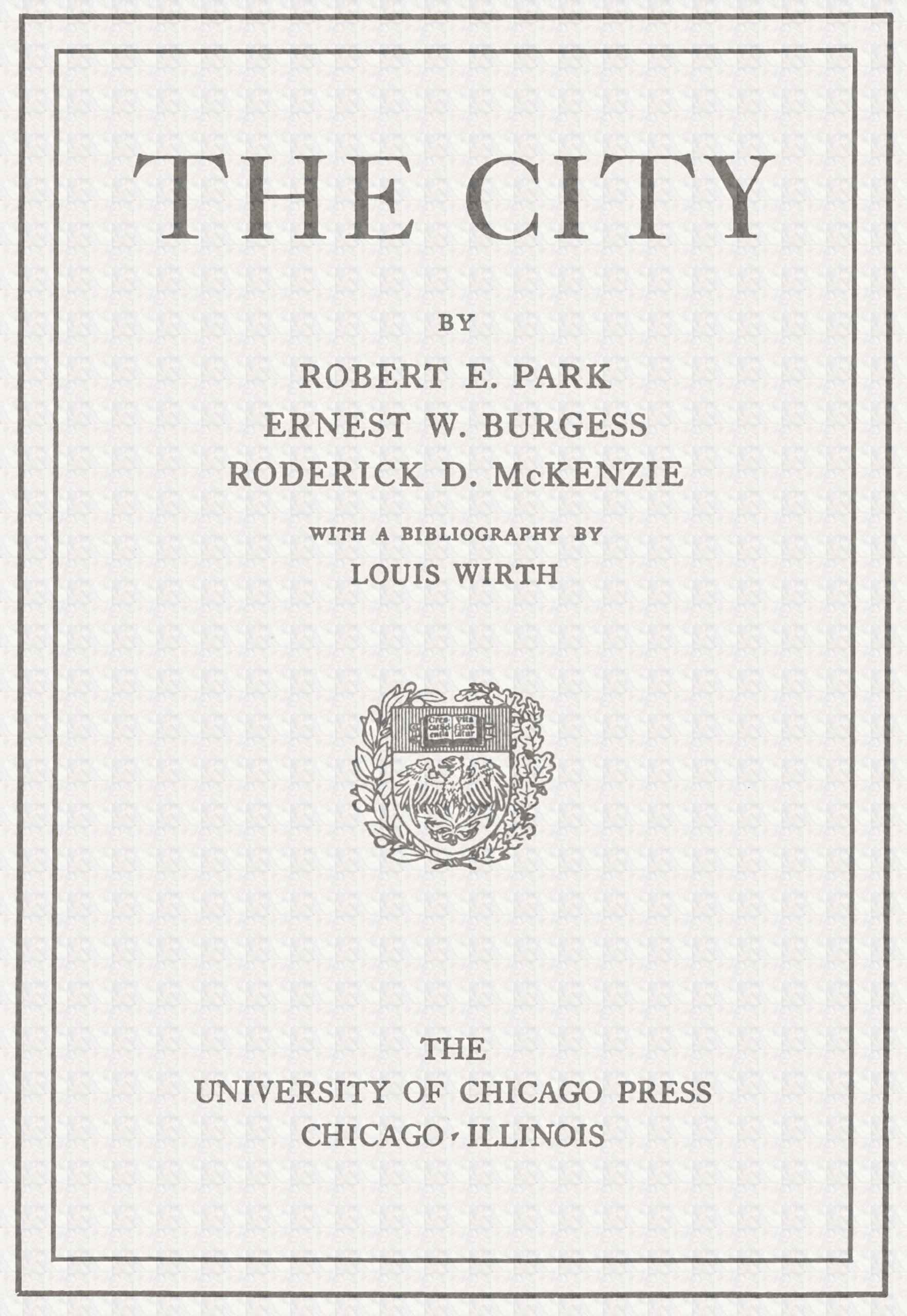
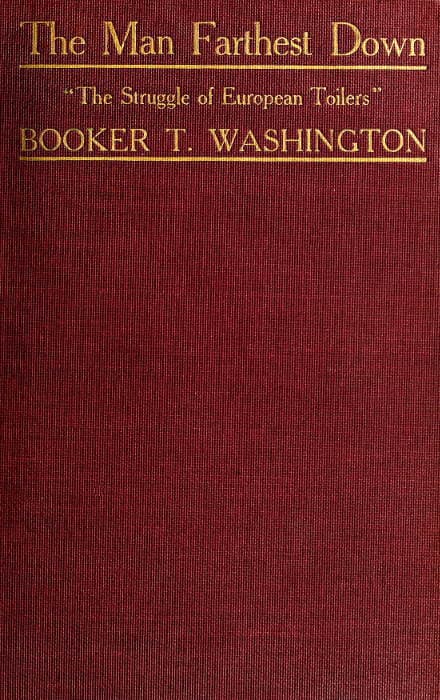
Books from the author






Link to this page
Add a free, dofollow link to Lex on your blog, forum, syllabus, or reading list.

<a href="https://lex-books.com/author/robert-ezra-park"><img src="https://lex-books.com/badges/read-on-lex.svg" alt="Robert Ezra Park on Lex" width="160" height="40"></a>[](https://lex-books.com/author/robert-ezra-park)[url=https://lex-books.com/author/robert-ezra-park][img]https://lex-books.com/badges/read-on-lex.svg[/img][/url]Robert Ezra Park on Lex: https://lex-books.com/author/robert-ezra-park