Chapman Cohen
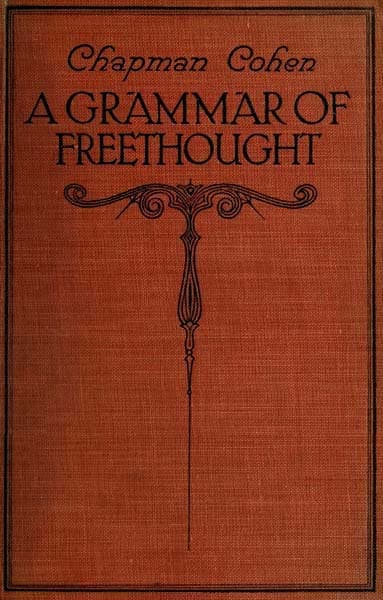
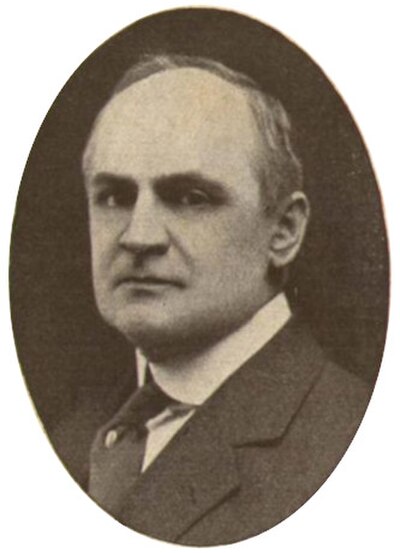
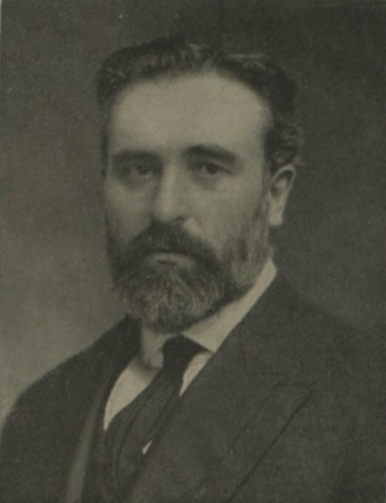
Chapman Cohen was an influential English freethinker, atheist, and secularist who made significant contributions to the discourse on religion and rationalism in the early 20th century. Born in 1868, he dedicated his life to advocating for secularism and promoting critical thinking through his writings and lectures. Cohen was a prominent figure in the National Secular Society and used his platform to challenge religious dogma, emphasizing the importance of reason and evidence in understanding the world. His works, including 'The Religion of Humanity' and 'The Atheist's Handbook,' explored the intersection of morality and atheism, arguing for a human-centered approach to ethics devoid of religious influence. Cohen's literary significance lies in his role as a pioneer of secular thought during a time when religious beliefs dominated societal norms. He was known for his articulate defenses of atheism and his critiques of organized religion, which resonated with a growing audience seeking alternatives to traditional belief systems. His legacy endures in the continued relevance of his ideas in contemporary discussions about faith, morality, and the role of religion in public life, marking him as a key figure in the evolution of secular philosophy in the modern era.
Famous Quotes
View all 3 quotes“Gods are fragile things, they may be killed by a whiff of science or a dose of common sense. They thrive on servility and shrink before independence. They feed upon worship as kings do upon flattery. That is why the cry of gods at all times is “Worship us or we perish.” A dethroned monarch may retain some of his human dignity while driving a taxi for a living. But a god without his thunderbolt is a poor object.”
“ATHEIST is really a thoroughly honest, unambiguous term, it admits of no paltering and no evasion, and the need of the world, now as ever, is for clear-cut issues and unambiguous speech.”
“All my life I have made it a rule never to permit a religious man or woman take for granted that his or her religious beliefs deserved more consideration than non-religious beliefs or anti-religious ones. I never agree with that foolish statement that I ought to respect the views of others when I believe them to be wrong.”
Books from the author





Link to this page
Add a free, dofollow link to Lex on your blog, forum, syllabus, or reading list.

<a href="https://lex-books.com/author/chapman-cohen"><img src="https://lex-books.com/badges/read-on-lex.svg" alt="Chapman Cohen on Lex" width="160" height="40"></a>[](https://lex-books.com/author/chapman-cohen)[url=https://lex-books.com/author/chapman-cohen][img]https://lex-books.com/badges/read-on-lex.svg[/img][/url]Chapman Cohen on Lex: https://lex-books.com/author/chapman-cohen