
Cornelia Sorabji
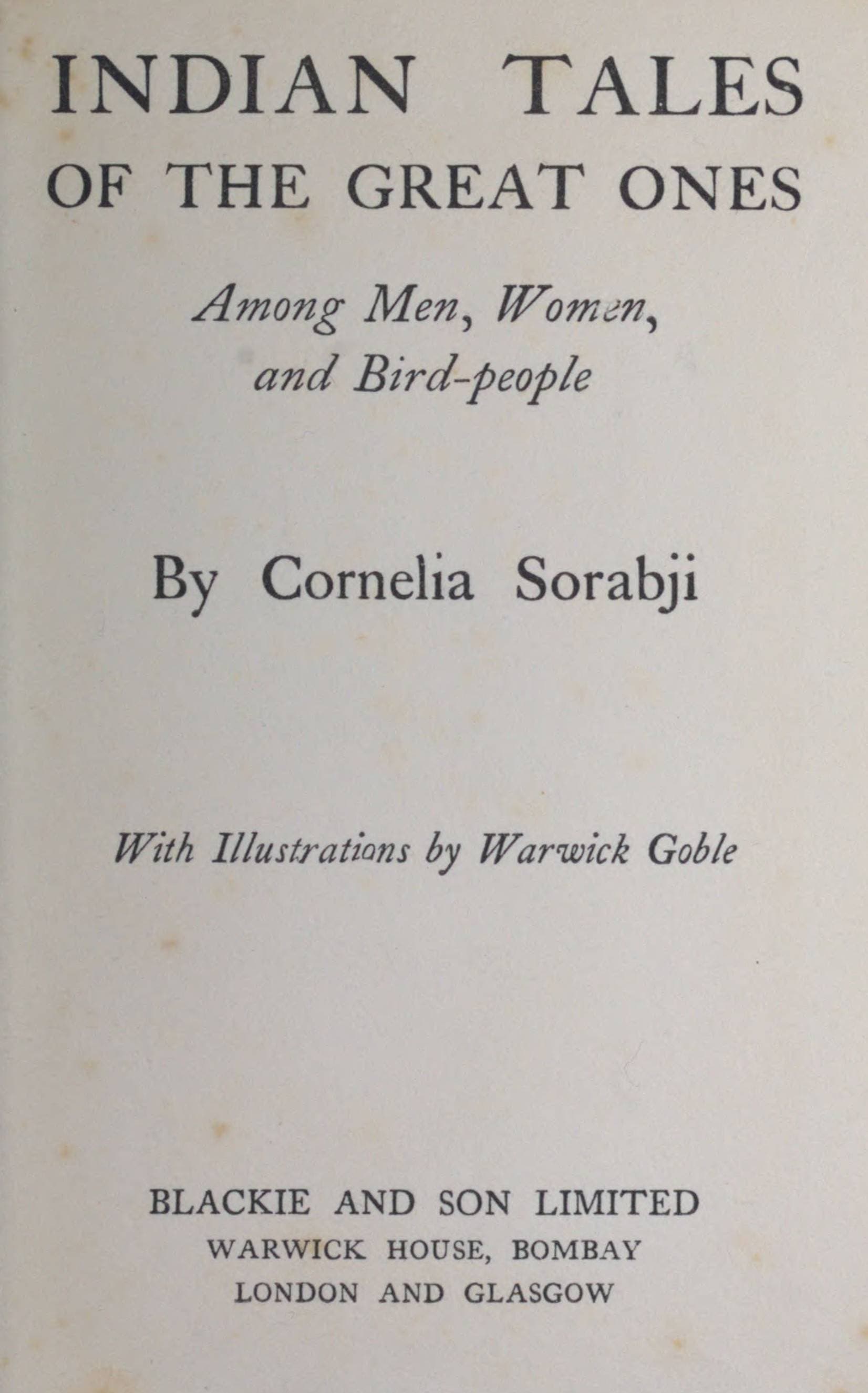
Cornelia Sorabji was a pioneering Indian lawyer, social reformer, and writer, notable for her groundbreaking achievements in a male-dominated society. As the first female graduate from Bombay University and the first woman to study law at Oxford, she broke significant barriers for women in India. After returning to India, Sorabji focused on advocating for purdahnashins—women confined by purdah who were unable to engage with the outside male world. Despite her qualifications, she faced legal restrictions that prevented her from representing these women in court, prompting her to take the LLB examination in 1897 and the pleader's examination in 1899. Sorabji ultimately became the first female advocate in India, although she was not recognized as a barrister until 1923 when the law prohibiting women from practicing was amended. Throughout her career, Sorabji was actively involved in various social service organizations, including the National Council for Women in India and the Federation of University Women. She advocated for a cautious approach to social reform, emphasizing the importance of education for women before pursuing political change. Her support for the British Raj and traditional practices like purdah, along with her opposition to rapid reforms, shaped her legacy and limited her influence in some reform circles. Sorabji's writings and advocacy work contributed significantly to early 20th-century discussions on women's rights and social issues in India, marking her as a notable figure in the history of gender and legal reform in the country.
Books from the author













Link to this page
Add a free, dofollow link to Lex on your blog, forum, syllabus, or reading list.

<a href="https://lex-books.com/author/cornelia-sorabji"><img src="https://lex-books.com/badges/read-on-lex.svg" alt="Cornelia Sorabji on Lex" width="160" height="40"></a>[](https://lex-books.com/author/cornelia-sorabji)[url=https://lex-books.com/author/cornelia-sorabji][img]https://lex-books.com/badges/read-on-lex.svg[/img][/url]Cornelia Sorabji on Lex: https://lex-books.com/author/cornelia-sorabji