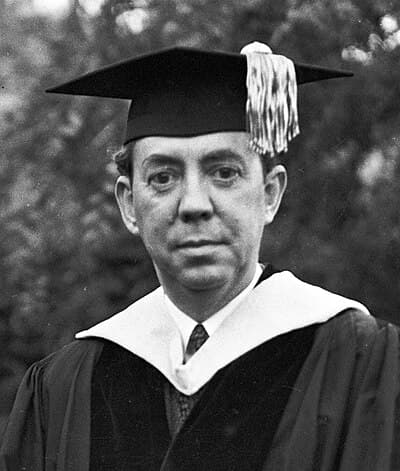
Everett Dean Martin
Everett Dean Martin was an influential American minister, writer, and social philosopher known for his advocacy of adult education and liberal learning. Born in Jacksonville, Illinois, he graduated with honors from Illinois College and later attended McCormick Theological Seminary, where he was ordained as a Congregational Minister in 1907. His career spanned various roles, including instructor and lecturer at The New School for Social Research in New York City from 1921 to 1929, where he emphasized the importance of education as a means to combat societal irrationality and propaganda. Martin also served as the final director of the People's Institute of Cooper Union from 1922 to 1934, further solidifying his commitment to adult education and social reform. Martin's writings and lectures reflected his belief in the transformative power of education, positioning him as a significant figure in the early 20th-century discourse on social psychology and philosophy. His work contributed to the understanding of the role of education in fostering critical thinking and civic engagement. Through his advocacy, Martin left a lasting legacy on adult education, influencing future generations of educators and reformers who sought to empower individuals through knowledge and critical inquiry.
Famous Quotes
View all 2 quotes“Probably the most telling point of likeness between the crowd-mind and the psychoneurosis—paranoia especially—is the "delusion of persecution.”
“By declaring that everyone is equally an end, Kant ignores all personal differences, and therefore the fact of individuality as such. We are each an end in respect to those qualities only in which we are identical—namely, in that we are "rational beings." But this rational being is not a personal intelligence; it is a fiction, a bundle of mental faculties assumed a priori to exist, and then treated as if it were universally and equally applicable to all actually existing intelligences.”
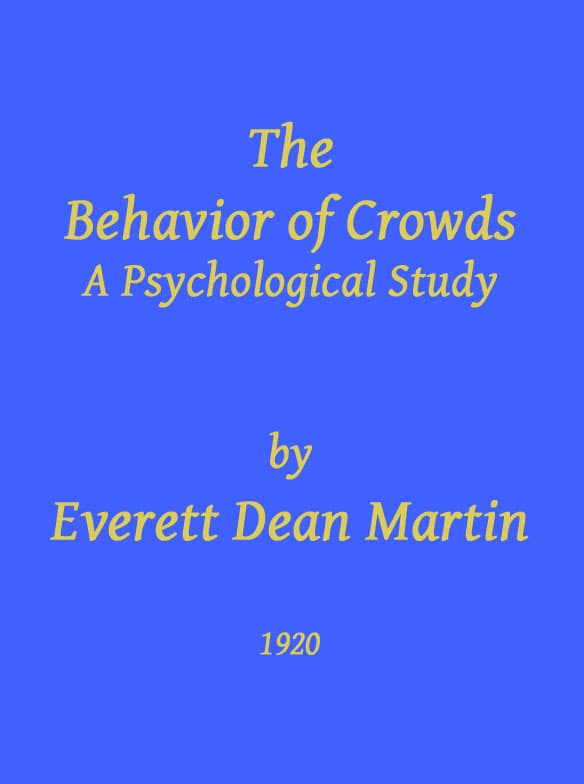
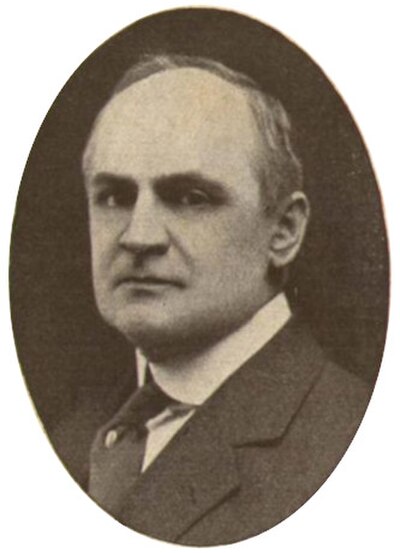
Books from the author



Link to this page
Add a free, dofollow link to Lex on your blog, forum, syllabus, or reading list.

<a href="https://lex-books.com/author/everett-dean-martin"><img src="https://lex-books.com/badges/read-on-lex.svg" alt="Everett Dean Martin on Lex" width="160" height="40"></a>[](https://lex-books.com/author/everett-dean-martin)[url=https://lex-books.com/author/everett-dean-martin][img]https://lex-books.com/badges/read-on-lex.svg[/img][/url]Everett Dean Martin on Lex: https://lex-books.com/author/everett-dean-martin