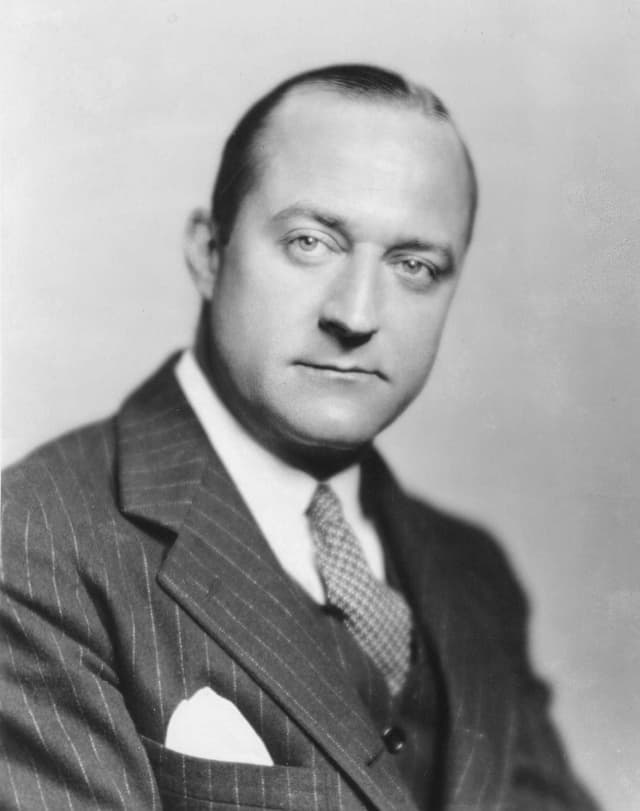
Henry Hazlitt
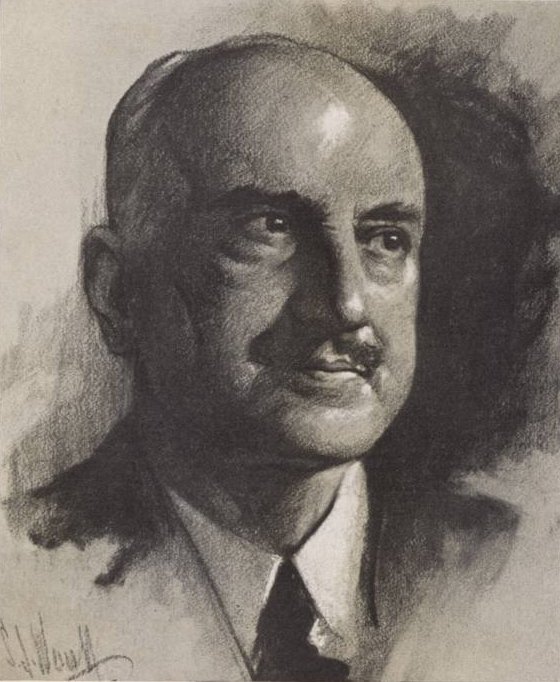
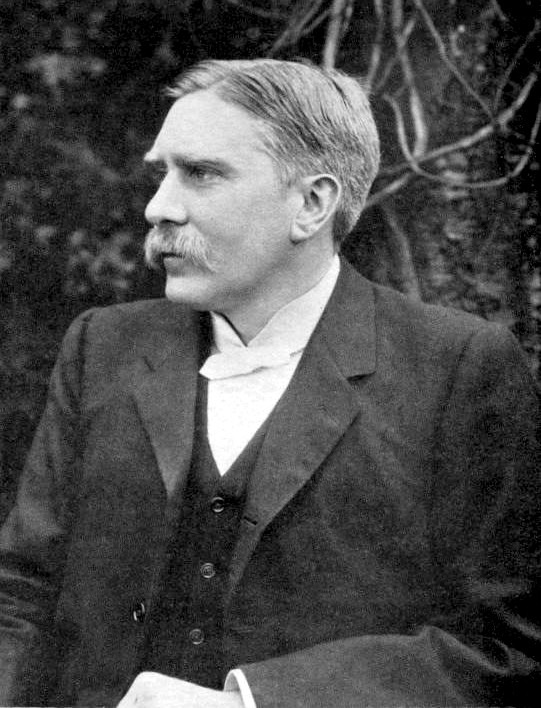
Henry Hazlitt was an influential American journalist, economist, and philosopher whose advocacy for free markets and classical liberal principles left a lasting impact on economic thought. Over his extensive career, which spanned more than seventy years, he contributed to major publications such as The Wall Street Journal, The Nation, and The New York Times, where he articulated his views on business, economics, and public policy. Hazlitt is perhaps best remembered for his seminal work, "Economics in One Lesson," published in 1946, which distilled complex economic concepts into accessible insights while emphasizing the importance of individual liberty in economic decision-making. His writings were deeply rooted in the Austrian school of economics, drawing inspiration from notable economists like Ludwig von Mises and Friedrich Hayek, and he played a crucial role in popularizing their ideas among a broader audience. Beyond his economic contributions, Hazlitt engaged in philosophical and ethical discussions, championing the moral foundations of a free society. He was a founding member of the Foundation for Economic Education, one of the oldest free-market think tanks in the United States, and served on the editorial board of the libertarian journal The Freeman. Hazlitt's commitment to sound monetary policy and his critiques of inflationary practices and government intervention in markets significantly shaped public understanding of economic policy. His legacy endures through his writings, which continue to inspire advocates of liberty and limited government worldwide.
Famous Quotes
View all 3 quotes“A man with a scant vocabulary will almost certainly be a weak thinker. The richer and more copious one's vocabulary and the greater one's awareness of fine distinctions and subtle nuances of meaning, the more fertile and precise is likely to be one's thinking. Knowledge of things and knowledge of the words for them grow together. If you do not know the words, you can hardly know the thing.”
“When Alexander the Great visited the philosopher Diogenes and asked whether he could do anything for him, Diogenes is said to have replied: ‘Yes, stand a little less between me and the sun.’ It is what every citizen is entitled to ask of his government.”
“The 'private sector' of the economy is, in fact, the voluntary sector; and ... the 'public sector' is, in fact, the coercive sector.”
Books from the author




Link to this page
Add a free, dofollow link to Lex on your blog, forum, syllabus, or reading list.

<a href="https://lex-books.com/author/henry-hazlitt"><img src="https://lex-books.com/badges/read-on-lex.svg" alt="Henry Hazlitt on Lex" width="160" height="40"></a>[](https://lex-books.com/author/henry-hazlitt)[url=https://lex-books.com/author/henry-hazlitt][img]https://lex-books.com/badges/read-on-lex.svg[/img][/url]Henry Hazlitt on Lex: https://lex-books.com/author/henry-hazlitt