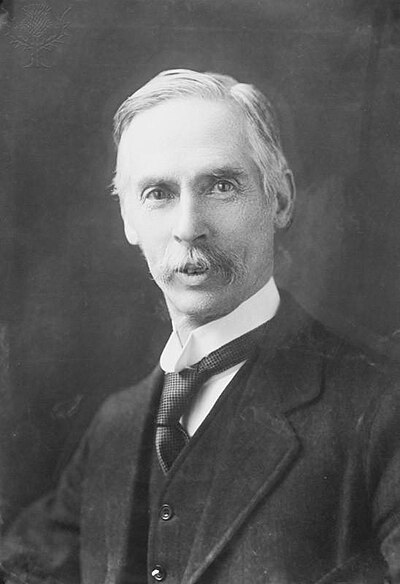
Henry George
Henry George was an influential American political economist, social philosopher, and journalist whose ideas ignited reform movements during the Progressive Era. He is best known for his seminal work, *Progress and Poverty* (1879), which sold millions of copies and addressed the paradox of growing inequality amidst economic advancement. In this treatise, George argued for a single tax on land values, positing that while individuals should own the value they produce, the economic value of land should be shared equally among all members of society. His advocacy for land value taxation and other anti-monopoly reforms aimed to create a more equitable and productive society, making him a pivotal figure in discussions about economic justice and social reform. In addition to *Progress and Poverty*, George's writings defended free trade, the secret ballot, and public ownership of natural monopolies, contributing to a broader understanding of economic and social issues in his time. His popularity as a journalist and speaker led him to run for Mayor of New York City twice, where he garnered significant support, notably finishing ahead of Theodore Roosevelt in his first campaign. Following his death, George's ideas continued to resonate, influencing political leaders and organizations across the United States and other English-speaking countries. His legacy as one of the most prominent American economic writers endures, with his concepts still relevant in contemporary discussions about land use and economic equity.
Famous Quotes
View all 3 quotes“Man is the only animal whose desires increase as they are fed; the only animal that is never satisfied.”
“He who sees the truth, let him proclaim it, without asking who is for it or who is against it.”
“Let no man imagine that he has no influence. Whoever he may be, and wherever he may be placed, the man who thinks becomes a light and a power.”