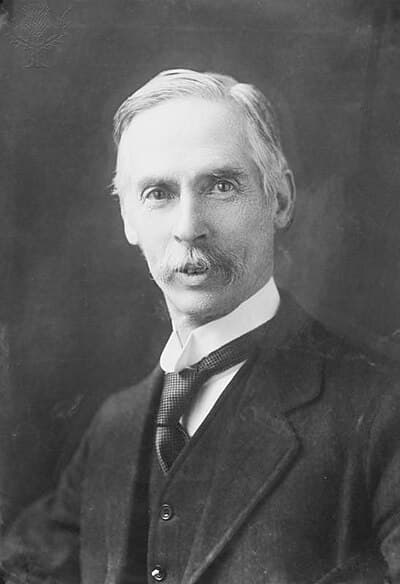
J. A. Hobson
J. A. Hobson was a prominent English economist and social critic whose work significantly influenced the fields of economics and political thought in the early 20th century. Born in 1858, he was educated at Oxford, where he developed a keen interest in social issues and economic theory. Hobson is best known for his critique of imperialism, particularly articulated in his seminal work, 'Imperialism: A Study,' published in 1902. In this book, he argued that imperialism was driven not by national interest but by the economic needs of capitalism, particularly the surplus capital that needed to be invested abroad. His insights laid the groundwork for later critiques of colonialism and influenced a generation of thinkers, including Lenin and other Marxist theorists. In addition to his work on imperialism, Hobson wrote extensively on social reform, advocating for policies that addressed poverty and inequality. His other notable works include 'The Evolution of Modern Capitalism' and 'The Industrial System,' where he explored the relationship between capitalism and social justice. Hobson's ideas on the importance of consumer demand and the role of the state in regulating the economy were ahead of their time and contributed to the development of welfare economics. His legacy endures in both economic theory and social critique, as he remains a key figure in discussions about the ethical implications of capitalism and imperialism.
Famous Quotes
View all 2 quotes“the theory and the practice of Imperialism regarded as a “mission of civilisation,” in its effects upon “lower” or alien peoples, and its political and moral reactions upon the conduct and character of the Western nations engaging in it.””
“The Services offer the cleanest and most natural support to an aggressive foreign policy; expansion of the empire appeals powerfully to the aristocracy and the professional classes by offering new and ever-growing fields for the honorable and profitable employment of their sons.””
Books from the author



Link to this page
Add a free, dofollow link to Lex on your blog, forum, syllabus, or reading list.

<a href="https://lex-books.com/author/j-a-hobson"><img src="https://lex-books.com/badges/read-on-lex.svg" alt="J. A. Hobson on Lex" width="160" height="40"></a>[](https://lex-books.com/author/j-a-hobson)[url=https://lex-books.com/author/j-a-hobson][img]https://lex-books.com/badges/read-on-lex.svg[/img][/url]J. A. Hobson on Lex: https://lex-books.com/author/j-a-hobson