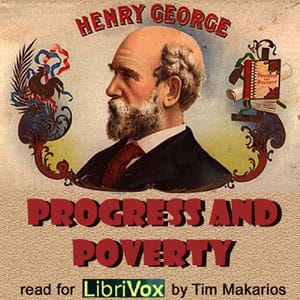
Progress and Poverty
In 1879, as America hurtled toward industrial supremacy, a self-taught economist asked a question that has never stopped burning: why does progress always breed poverty? Henry George's answer shook the foundations of economic thought and launched a global movement. Progress and Poverty argues that the very forces creating unprecedented wealth - industrialization, speculation, monopolization of land - are simultaneously entrenching inequality. George's radical diagnosis: the true source of value lies in land itself, not labor, and the unearned gains from land ownership are what create the boom-bust cycle that crushes ordinary people. His solution was elegant and revolutionary: a single tax on land values that would break the grip of monopolists while funding government without punishing work or enterprise. The book sold millions and influenced everyone from Lenin to Leo Tolstoy to early 20th-century American reformers. It remains essential reading for anyone who wonders why economies crash, why the rich get richer, and whether another way is possible.
X-Ray