
Henri Poincaré
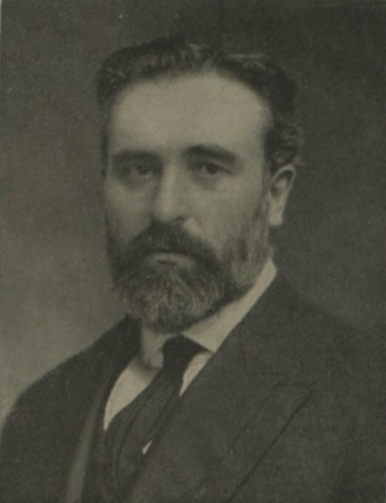
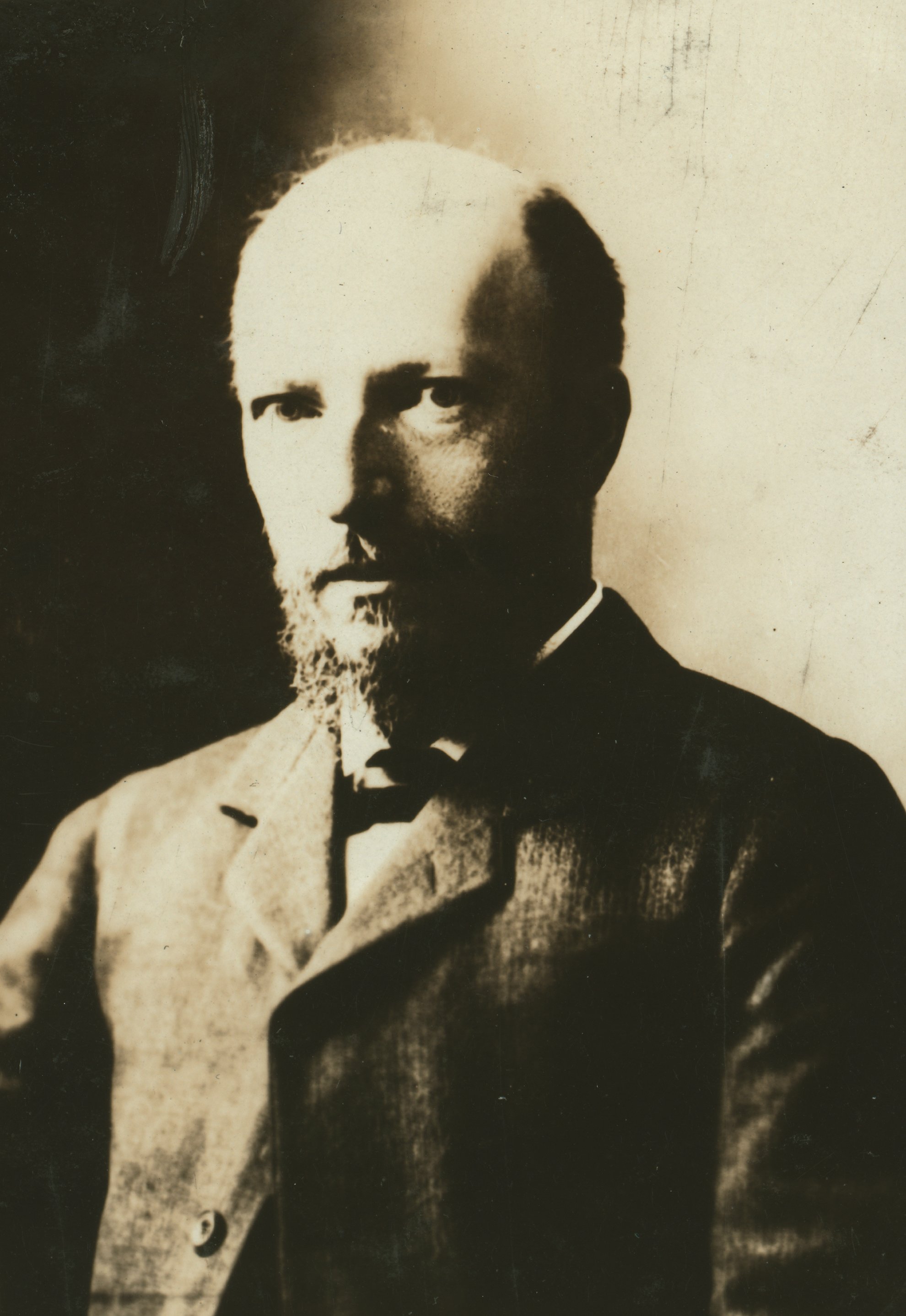
Henri Poincaré was a French mathematician, theoretical physicist, and philosopher of science, renowned for his foundational contributions to various fields, including topology, celestial mechanics, and the philosophy of mathematics. Born into a family of scholars, Poincaré displayed prodigious talent from an early age, eventually earning a degree in mathematics from the École Polytechnique. His work in mathematics laid the groundwork for chaos theory and the study of dynamical systems, with his seminal work "Les Méthodes Nouvelles de la Mécanique Céleste" (The New Methods of Celestial Mechanics) establishing him as a pioneer in the field. Poincaré's exploration of the three-body problem and his insights into the stability of planetary orbits were groundbreaking, influencing both mathematics and physics significantly. Beyond mathematics, Poincaré was a key figure in the philosophy of science, advocating for the importance of intuition and creativity in scientific discovery. His essay "Science and Hypothesis" challenged the rigid empiricism of his time, arguing for a more nuanced understanding of scientific theories. Poincaré's legacy endures not only in the realms of mathematics and physics but also in the philosophy of science, where his ideas continue to inspire discussions about the nature of scientific inquiry and the role of mathematical abstraction. His work has left an indelible mark on modern science, making him one of the most influential thinkers of the late 19th and early 20th centuries.
Famous Quotes
View all 16 quotes“. I am not speaking, of course, of the beauty which strikes the senses, of the beauty of qualities and appearances. I am far from despising this, but it has nothing to do with science. What I mean is that more intimate beauty which comes from the harmonious order of its parts, and which a pure intelligence can grasp.””
“Is is by logic that we prove, but by intuition that we discover.””
“To doubt everything and to believe everything are two equally convenient solutions; each saves us from thinking.””
Books from the author





Link to this page
Add a free, dofollow link to Lex on your blog, forum, syllabus, or reading list.

<a href="https://lex-books.com/author/henri-poincaré"><img src="https://lex-books.com/badges/read-on-lex.svg" alt="Henri Poincaré on Lex" width="160" height="40"></a>[](https://lex-books.com/author/henri-poincaré)[url=https://lex-books.com/author/henri-poincaré][img]https://lex-books.com/badges/read-on-lex.svg[/img][/url]Henri Poincaré on Lex: https://lex-books.com/author/henri-poincaré