
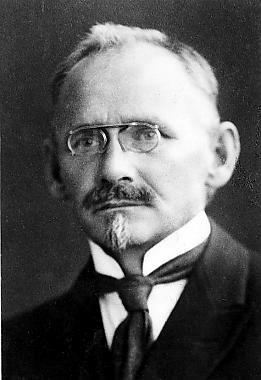
Garrett Putman Serviss
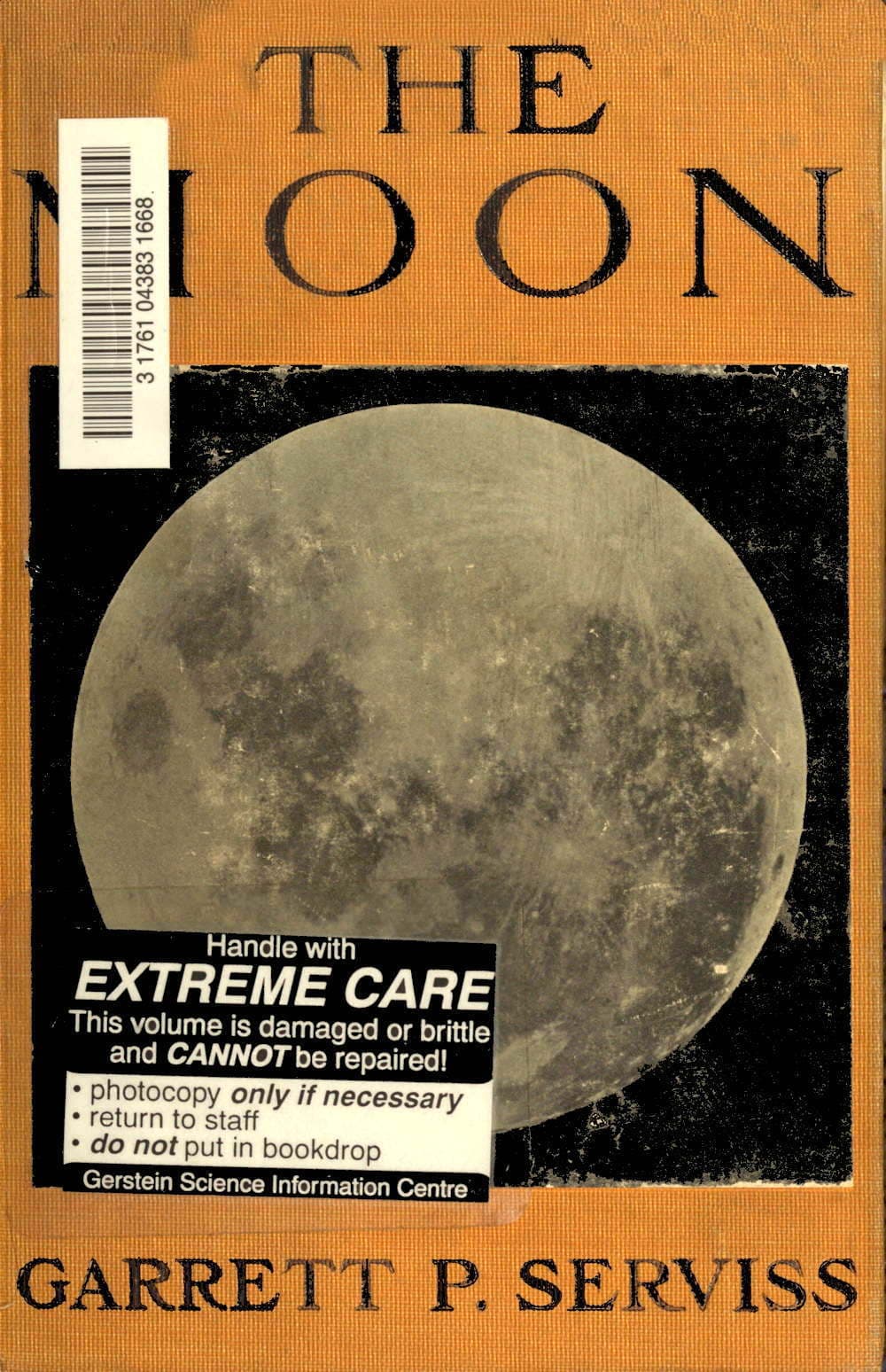
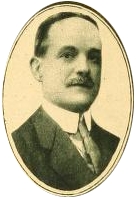
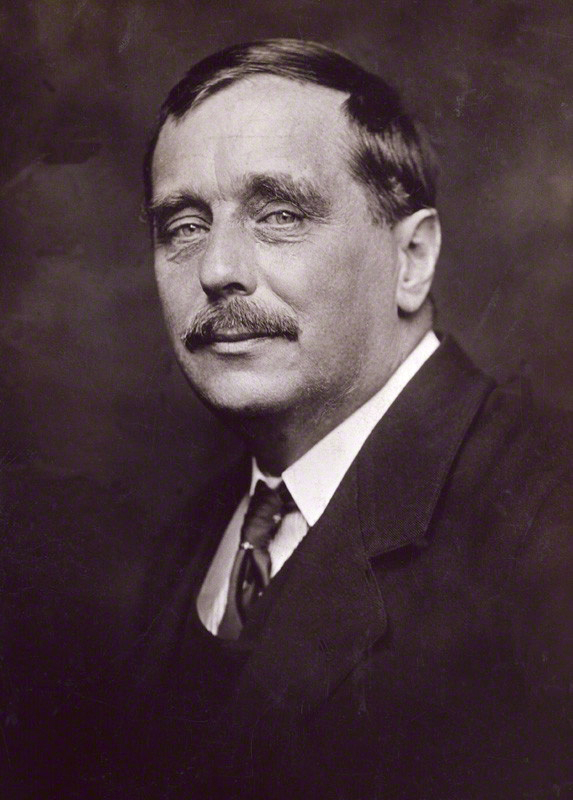
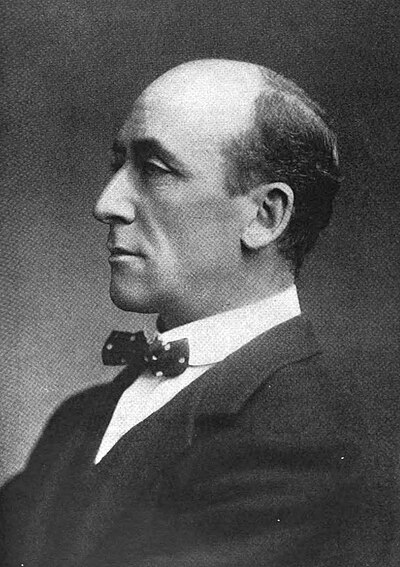
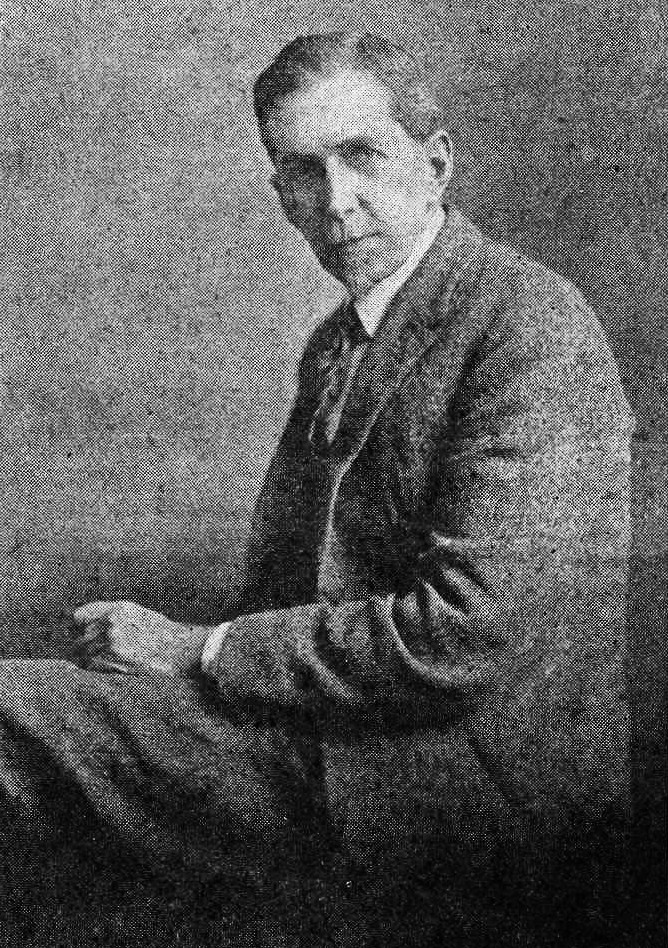
Garrett Putman Serviss was an influential American astronomer and early science fiction writer, known for his ability to popularize complex scientific concepts for the general public. Born in Sharon Springs, New York, he pursued a degree in science at Cornell University before shifting his focus to journalism, where he joined The New York Sun in 1876. His talent for making astronomy accessible led to a significant opportunity when Andrew Carnegie invited him to deliver The Urania Lectures in 1894. These lectures, enhanced with visual effects, captivated audiences across the United States for over two years, solidifying Serviss's reputation as a leading science communicator of his time. In addition to his lectures, Serviss authored fifteen books, eight of which focused on astronomy, making him one of the most widely read figures in the field before the rise of modern science communication. His contributions to literature include six works of fiction, all of which can be classified as early science fiction. Notable among these are his novels that explored themes of space travel and extraterrestrial life, paving the way for future generations of science fiction writers. Serviss's legacy lies in his dual role as a popularizer of science and a pioneer in the genre of science fiction, influencing both scientific discourse and literary creativity in the early 20th century.
Books from the author





Link to this page
Add a free, dofollow link to Lex on your blog, forum, syllabus, or reading list.

<a href="https://lex-books.com/author/garrett-putman-serviss"><img src="https://lex-books.com/badges/read-on-lex.svg" alt="Garrett Putman Serviss on Lex" width="160" height="40"></a>[](https://lex-books.com/author/garrett-putman-serviss)[url=https://lex-books.com/author/garrett-putman-serviss][img]https://lex-books.com/badges/read-on-lex.svg[/img][/url]Garrett Putman Serviss on Lex: https://lex-books.com/author/garrett-putman-serviss