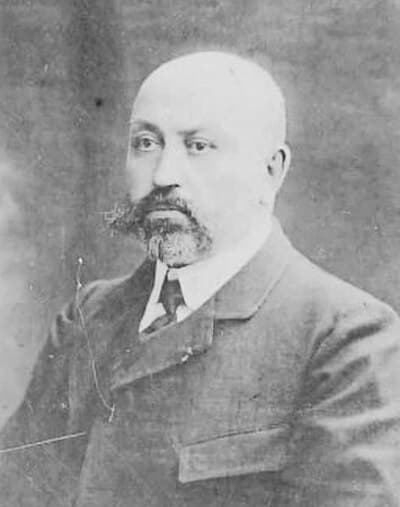
Henri Bouchot
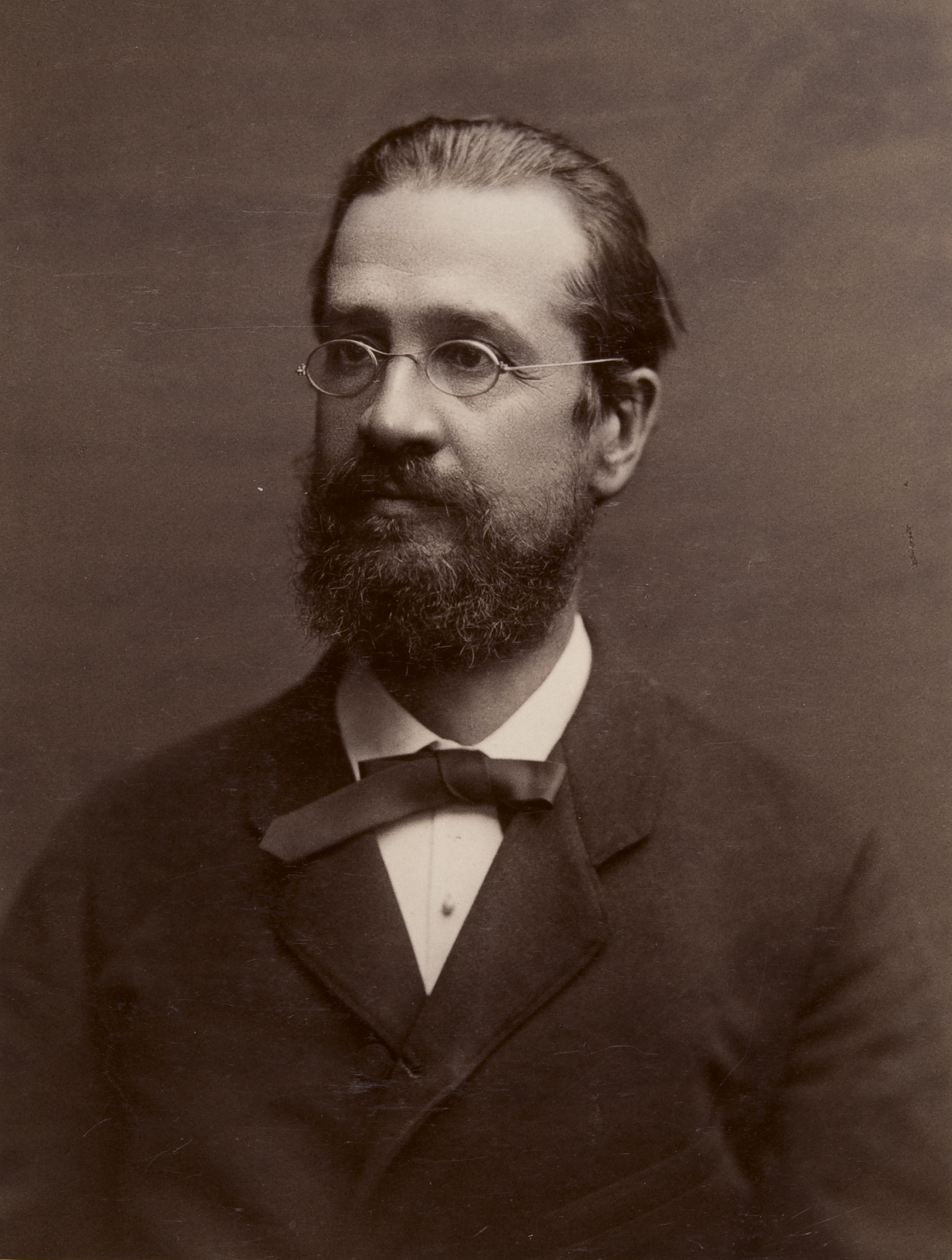
Henri Bouchot was a prominent French art historian and conservator, known for his significant contributions to the understanding and appreciation of art in the late 19th century. Born in Beure, he dedicated his life to the study and preservation of art, serving as a curator at the Musée du Luxembourg and later at the Musée d'Orsay. His expertise in the field was reflected in his extensive writings, which included critical analyses and historical accounts of various art movements and artists, making him a respected figure among his contemporaries. Bouchot's most notable works include 'L'Art de la gravure' and 'Les Peintres de la vie moderne,' where he explored the intricacies of printmaking and the evolution of modern painting. His scholarly approach not only documented the artistic trends of his time but also influenced future generations of art historians. Bouchot's legacy endures through his commitment to art conservation and his role in shaping the discourse surrounding French art history, establishing a foundation for future studies in the field.
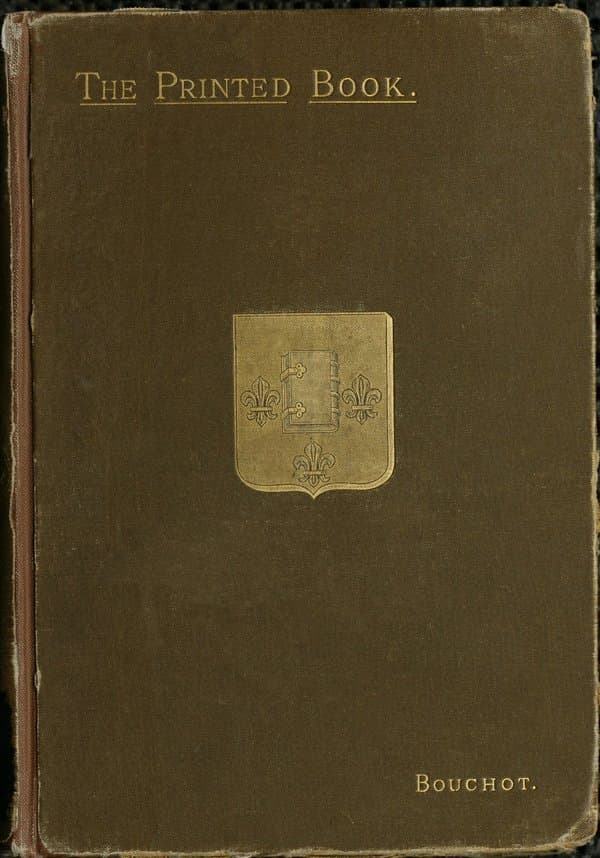
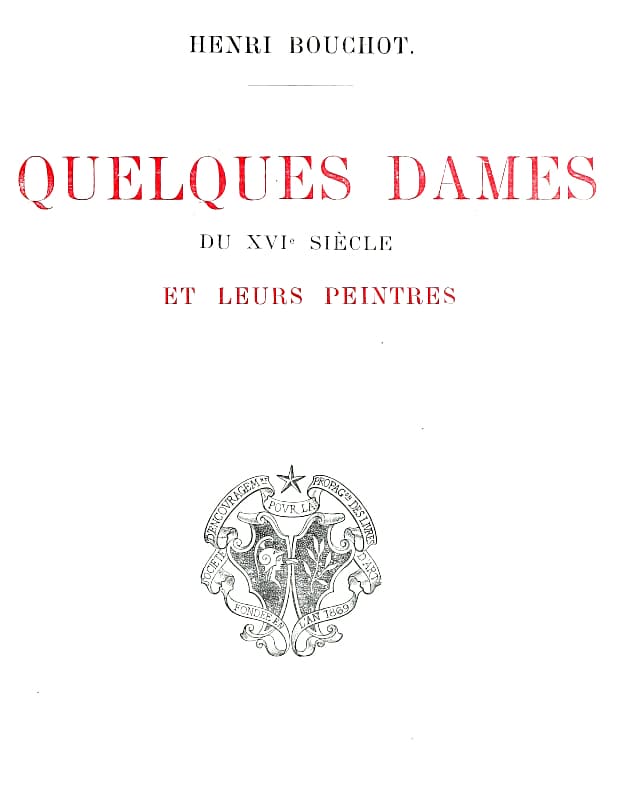
Books from the author


Link to this page
Add a free, dofollow link to Lex on your blog, forum, syllabus, or reading list.

<a href="https://lex-books.com/author/henri-bouchot"><img src="https://lex-books.com/badges/read-on-lex.svg" alt="Henri Bouchot on Lex" width="160" height="40"></a>[](https://lex-books.com/author/henri-bouchot)[url=https://lex-books.com/author/henri-bouchot][img]https://lex-books.com/badges/read-on-lex.svg[/img][/url]Henri Bouchot on Lex: https://lex-books.com/author/henri-bouchot