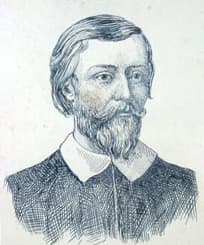
Gregório de Matos
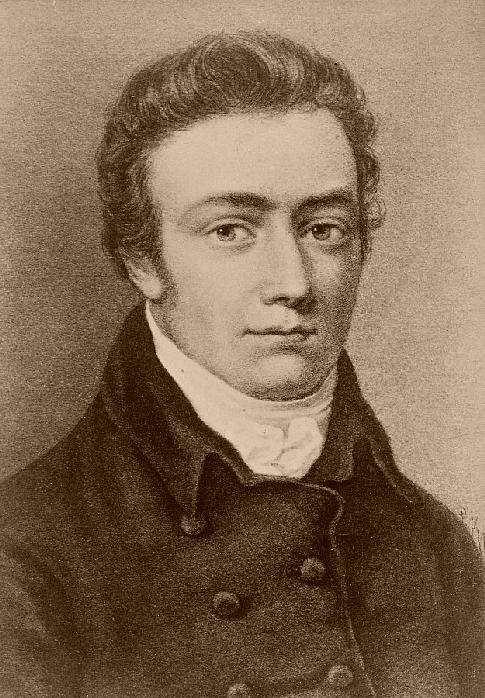
Gregório de Matos, often referred to as the 'Boca do Inferno' (Mouth of Hell), was a prominent Brazilian poet known for his sharp wit and satirical verses. Born in Salvador, Bahia, he was educated in Portugal, where he developed a keen interest in literature and philosophy. Matos returned to Brazil, where he became a significant figure in the Baroque literary movement, using his poetry to critique the social and political issues of his time, particularly the hypocrisy of the colonial elite and the Catholic Church. His work is characterized by a blend of religious themes, eroticism, and social commentary, making him a unique voice in Brazilian literature. Matos's notable works include 'Poesias' and various satirical poems that reflect his disdain for societal norms and moral pretensions. His bold style and fearless critique of authority set him apart from his contemporaries, earning him both admiration and controversy. Despite facing censorship and exile due to his outspoken nature, Matos's legacy endures as he is celebrated as one of Brazil's first significant poets. His ability to intertwine personal emotion with broader social critique has influenced generations of writers and remains a vital part of Brazil's literary heritage.
Famous Quotes
View all 1 quotes“De dois ff se compõeesta cidade a meu ver:um furtar, outro foder.””
Books from the author







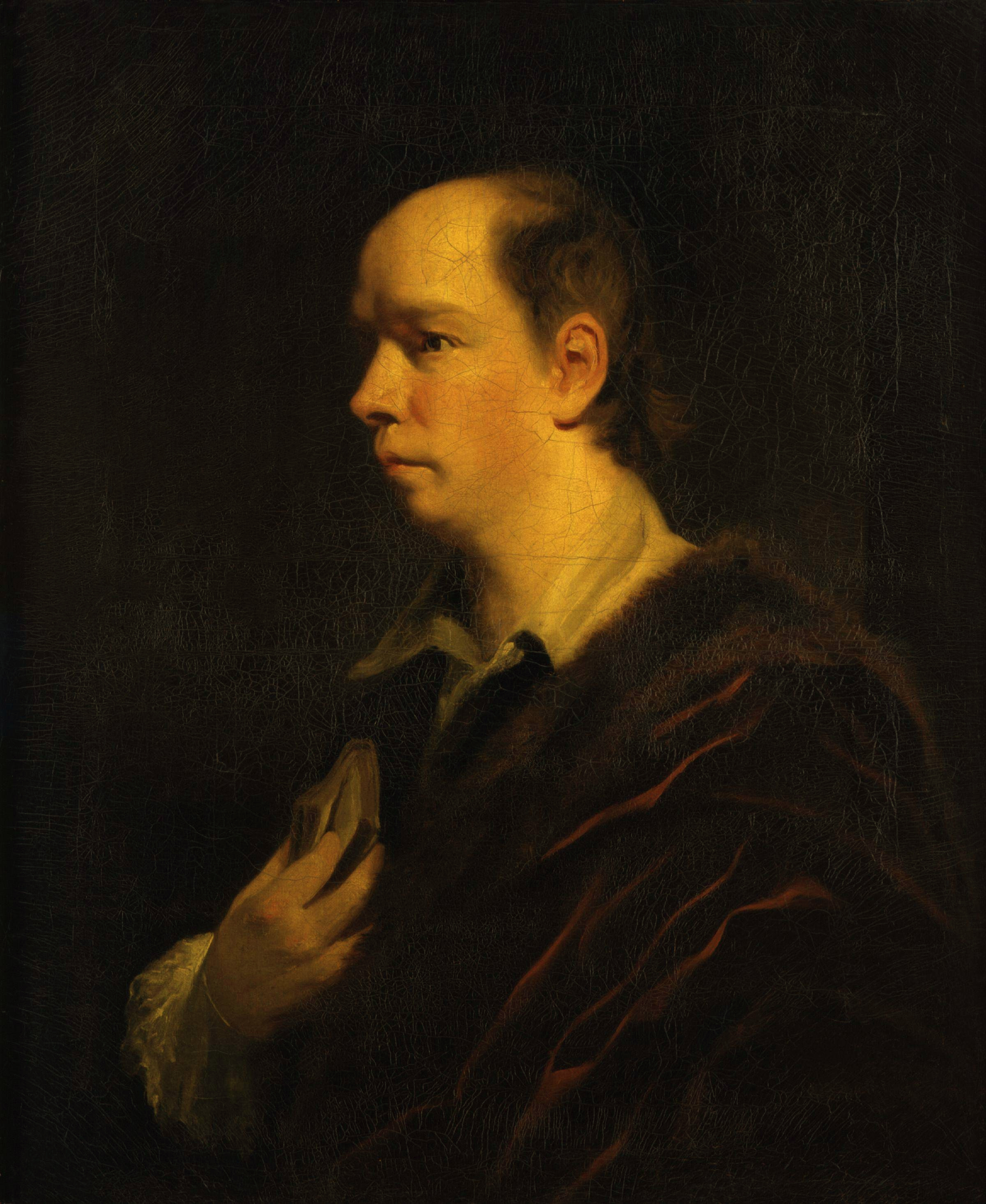
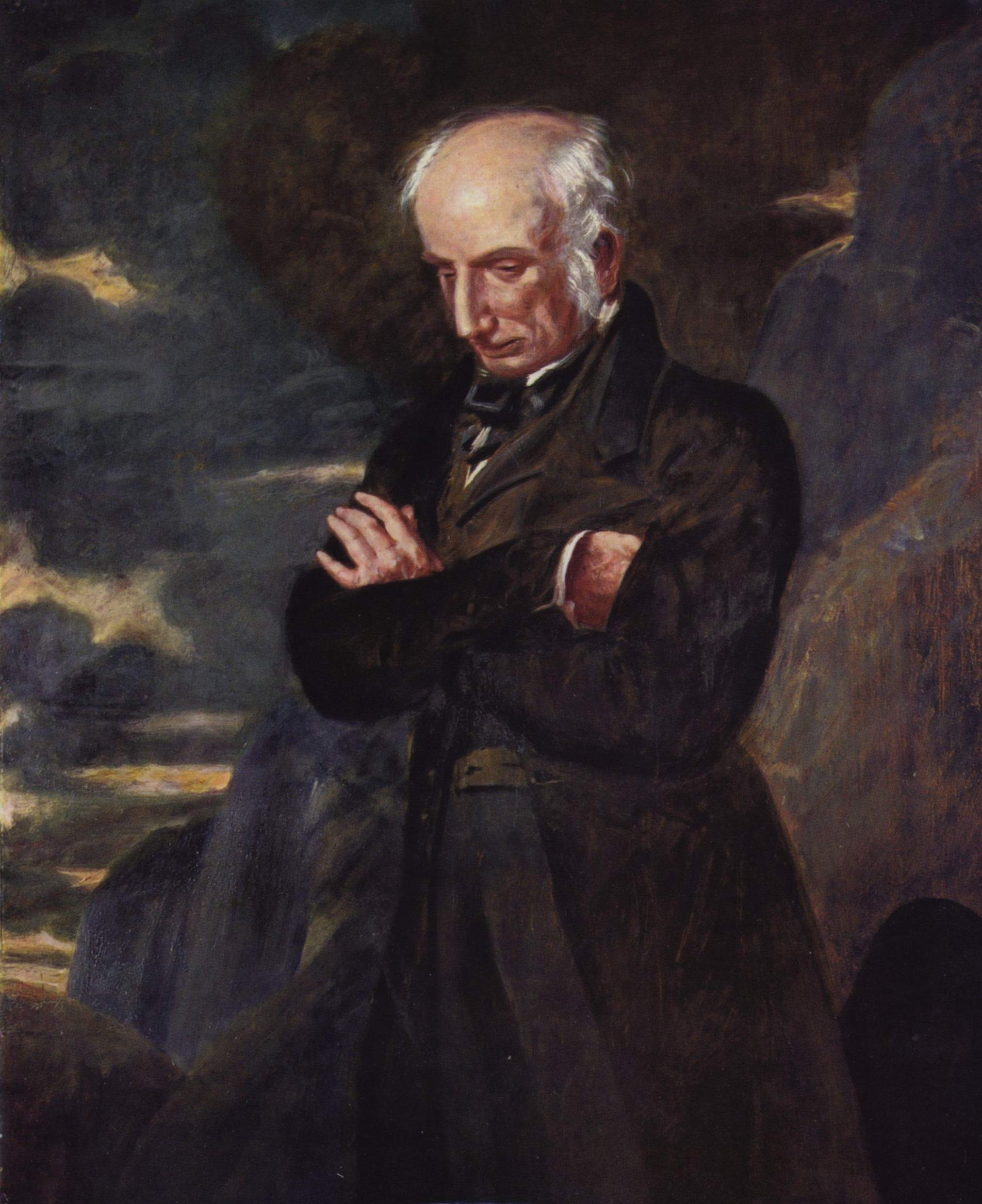


Link to this page
Add a free, dofollow link to Lex on your blog, forum, syllabus, or reading list.

<a href="https://lex-books.com/author/gregório-de-matos"><img src="https://lex-books.com/badges/read-on-lex.svg" alt="Gregório de Matos on Lex" width="160" height="40"></a>[](https://lex-books.com/author/gregório-de-matos)[url=https://lex-books.com/author/gregório-de-matos][img]https://lex-books.com/badges/read-on-lex.svg[/img][/url]Gregório de Matos on Lex: https://lex-books.com/author/gregório-de-matos