
Gottfried Benn
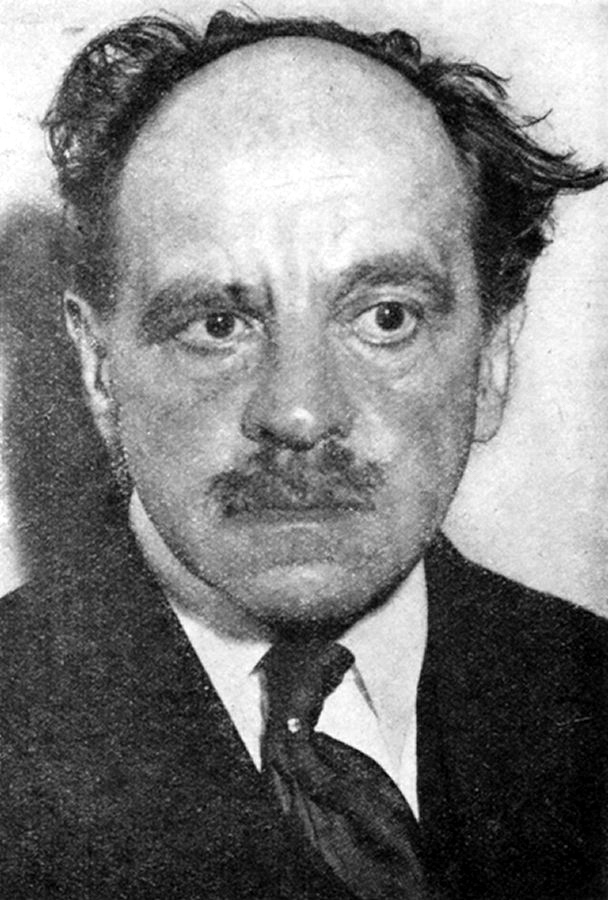
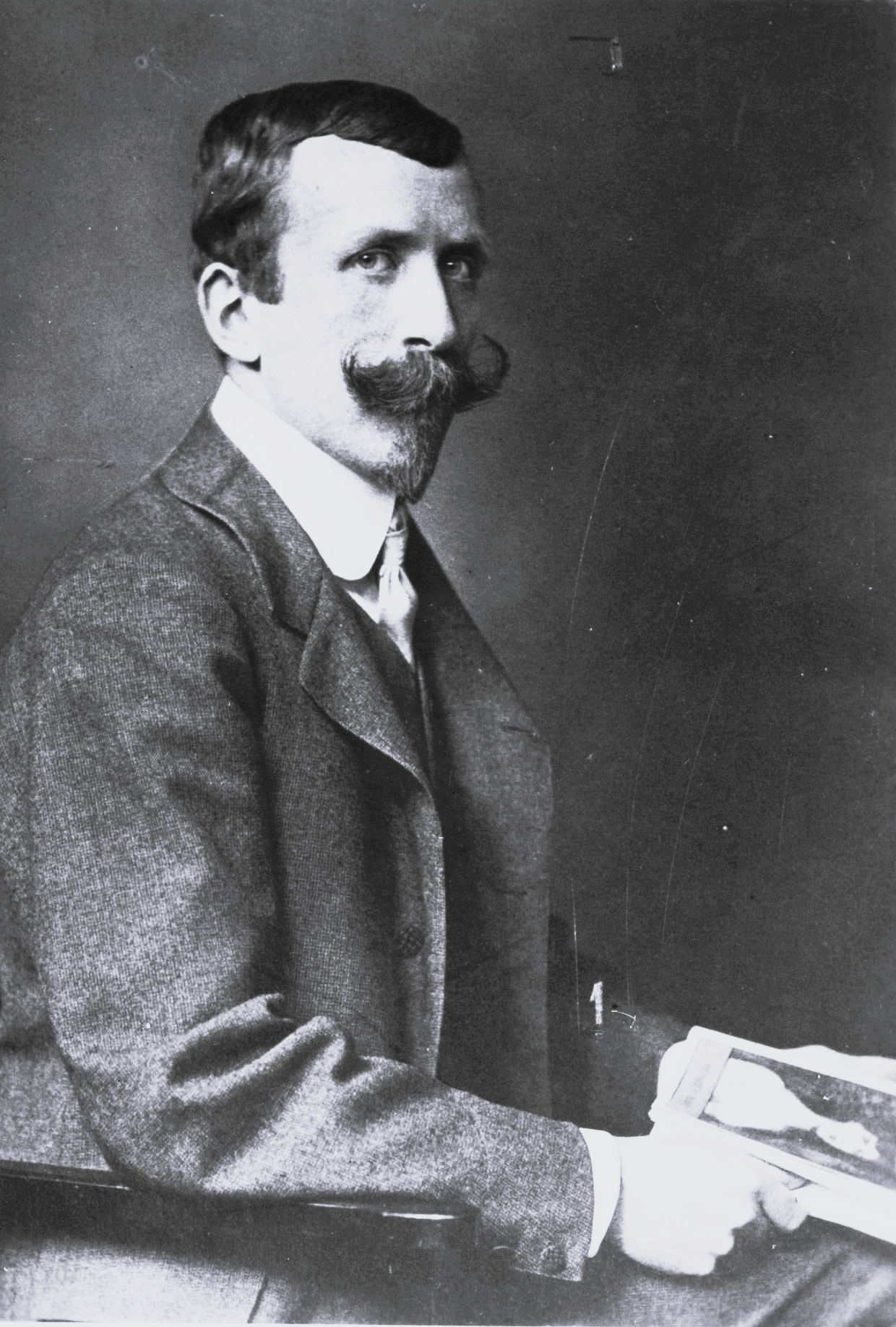
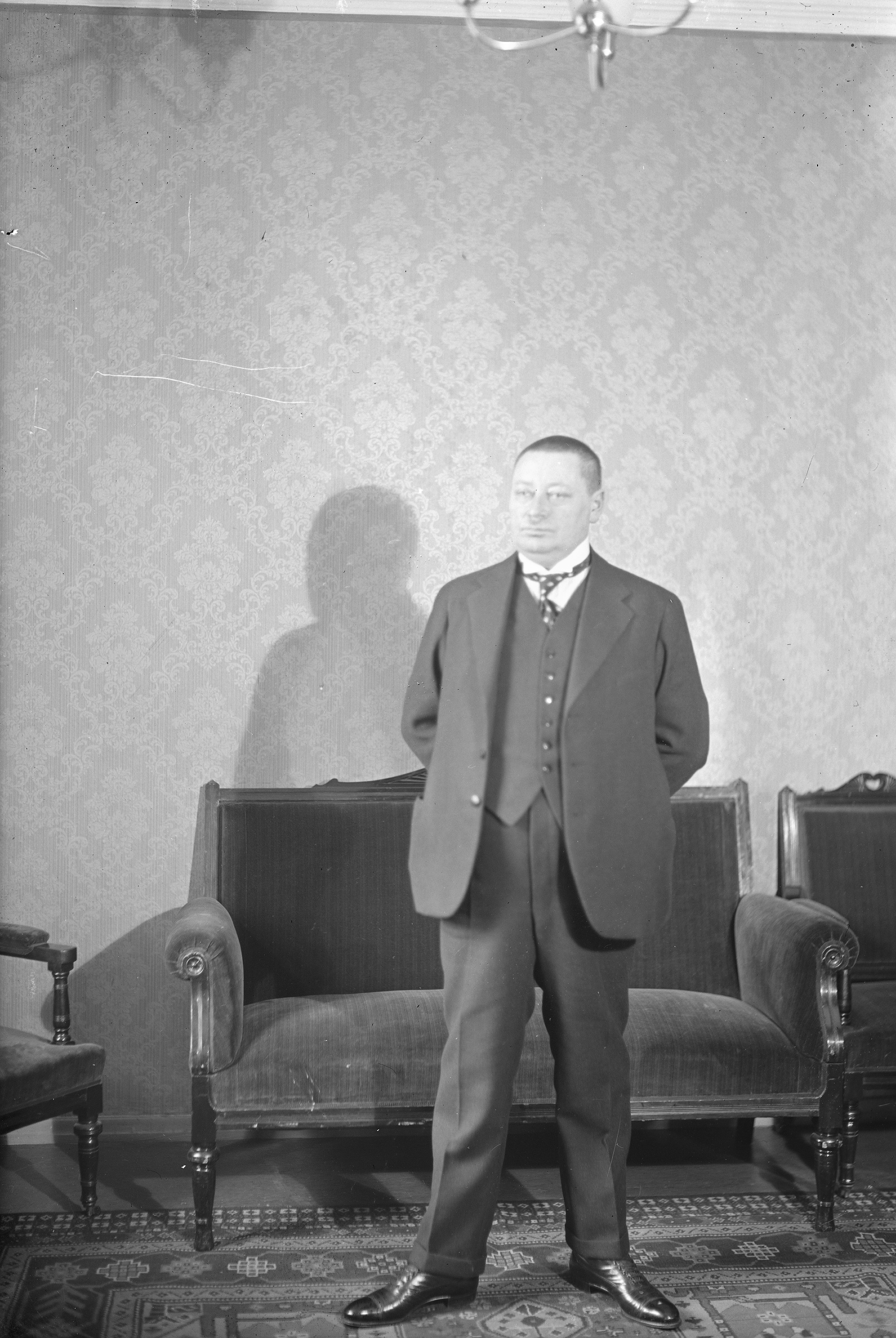
Gottfried Benn was a prominent German poet, essayist, and physician whose literary career spanned several decades and reflected the tumultuous changes in German society. Born in 1886, Benn initially pursued a career in medicine, which deeply influenced his writing. His early works, particularly the poetry collections 'Morgue' and 'Flesh,' showcased a stark and often unsettling exploration of the human condition, marked by themes of existentialism and the grotesque. These collections established him as a leading figure in the Expressionist movement, where he gained recognition for his innovative use of language and form. Benn's literary significance extended beyond his early Expressionist roots, as he later embraced a more traditional style while continuing to grapple with the complexities of modern life. His essays and poetry often reflected his views on art, society, and the role of the individual in a rapidly changing world. Despite the controversies surrounding his political affiliations during the Nazi regime, Benn's work remained influential, earning him multiple nominations for the Nobel Prize in Literature and the Georg Büchner Prize in 1951. His legacy endures through his profound impact on German literature and his exploration of themes that continue to resonate in contemporary discourse.
Famous Quotes
View all 3 quotes“In the beginning there was the Word and not the talk, and in the end there won´t be the propaganda but again the Word”
“Ein Wort Ein Wort, ein Satz -: aus Chiffren steigen erkanntes Leben, jäher Sinn, die Sonne steht, die Sphären schweigen, und alles ballt sich zu ihm hin. Ein Wort - ein Glanz, ein Flug, ein Feuer, ein Flammenwurf, ein Sternenstrich - und wieder Dunkel, ungeheuer, im leeren Raum um Welt und Ich.”
“What gave these peoples the right to lead all others? This was what I wondered. What had they to show in that respect? What spiritual image of man had they evolved, to what depths of being and to what external outlines had they worked out the human ideal? Where did their most unearthly, their purest, minds stand? To what coldness of judgment, to what severity of moral decision had their masses attained under their imperial leaders? Recently they talked much of their history. But there was greatness that had no history. Asia had no history. The decline of the Greeks began in the century when Herodotus appeared. They also pointed to their masterhood – master race – all right then, who were these masters?”
Books from the author




Link to this page
Add a free, dofollow link to Lex on your blog, forum, syllabus, or reading list.

<a href="https://lex-books.com/author/gottfried-benn"><img src="https://lex-books.com/badges/read-on-lex.svg" alt="Gottfried Benn on Lex" width="160" height="40"></a>[](https://lex-books.com/author/gottfried-benn)[url=https://lex-books.com/author/gottfried-benn][img]https://lex-books.com/badges/read-on-lex.svg[/img][/url]Gottfried Benn on Lex: https://lex-books.com/author/gottfried-benn