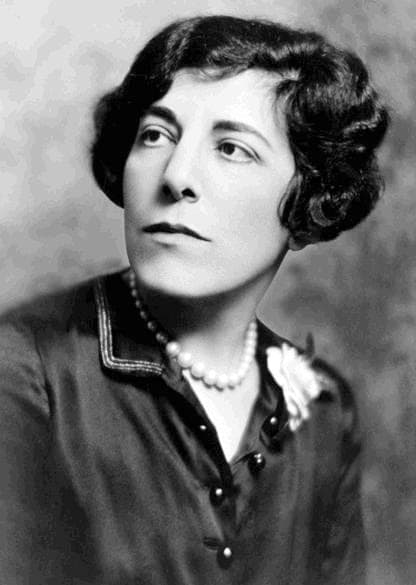
Edna Ferber
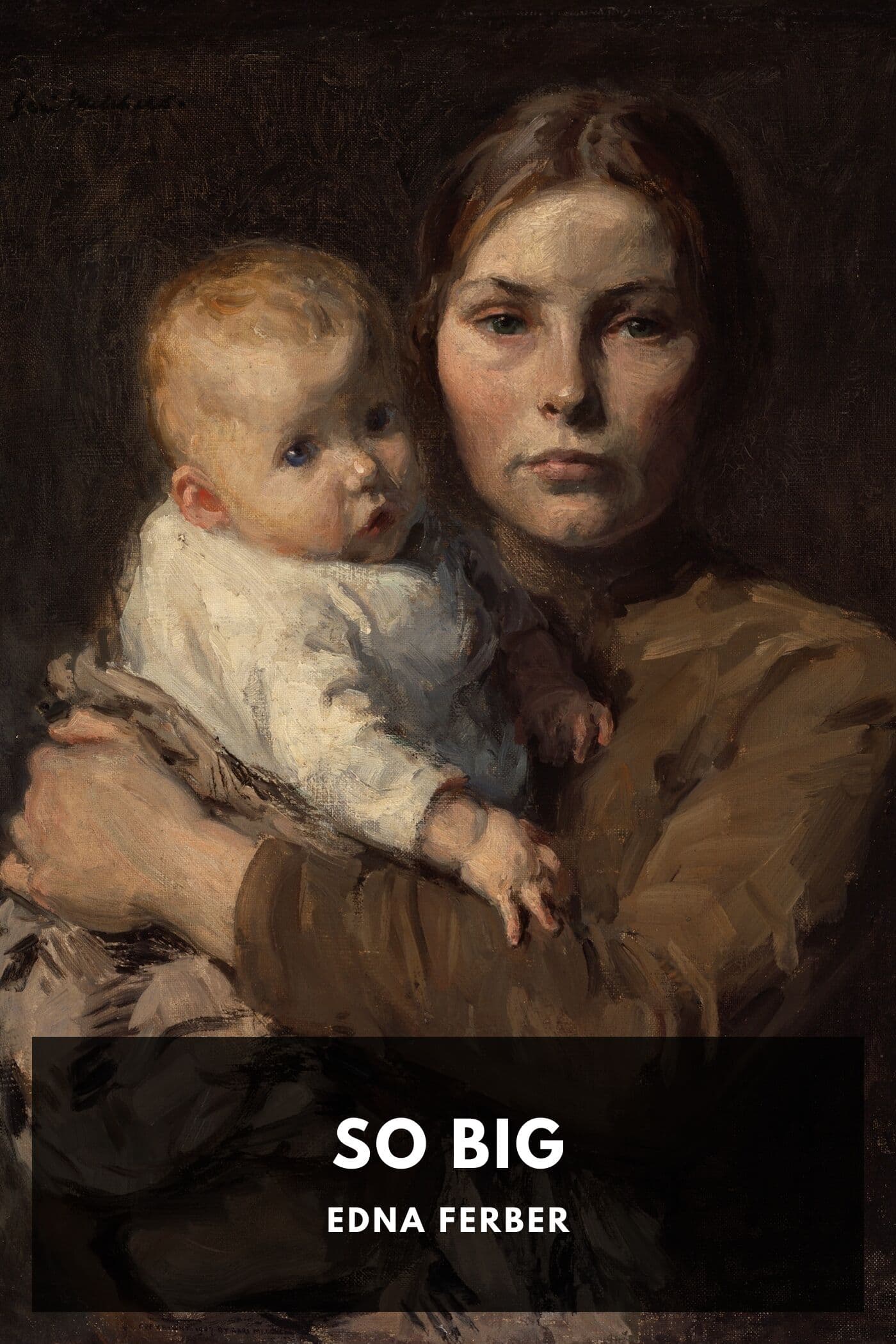
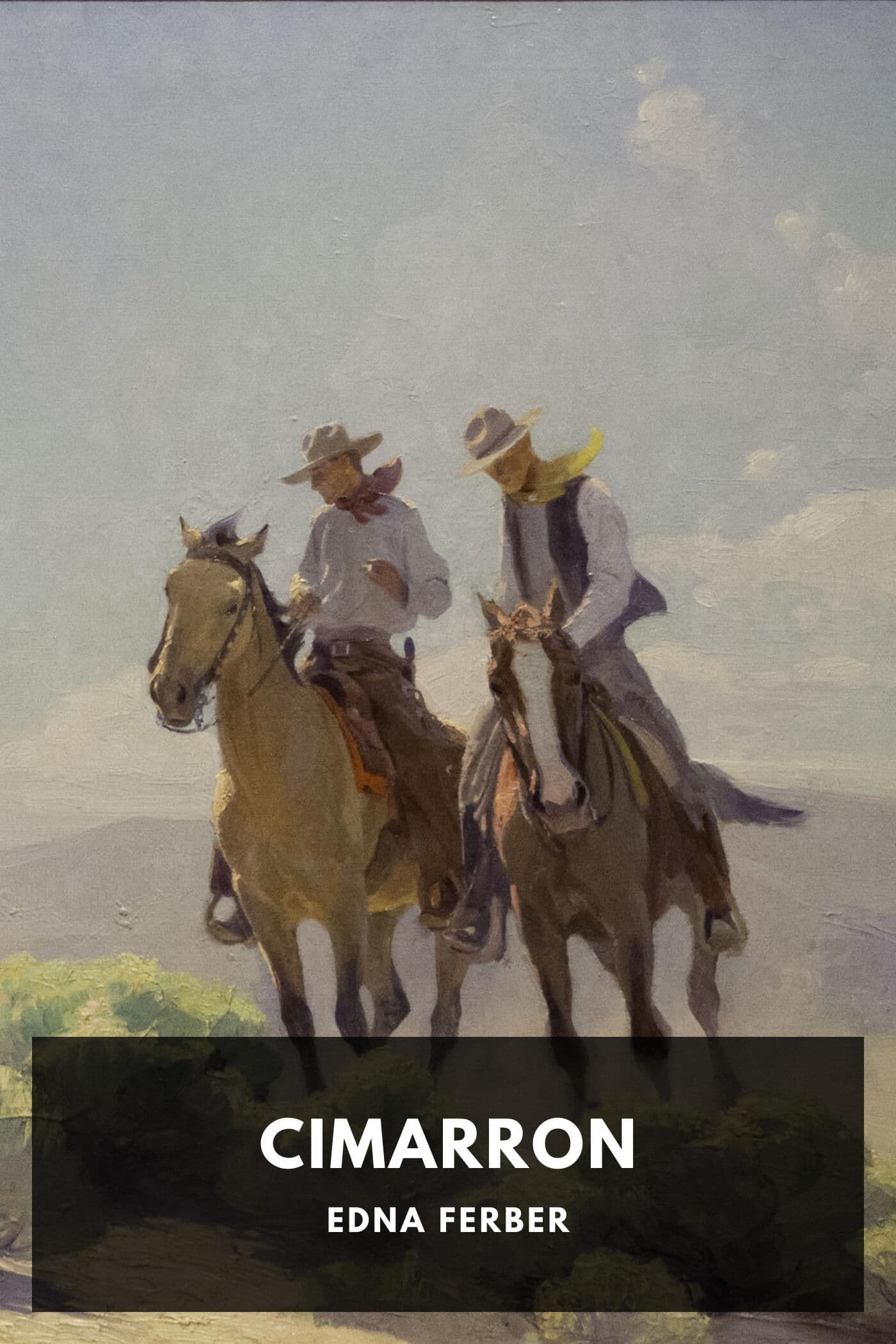
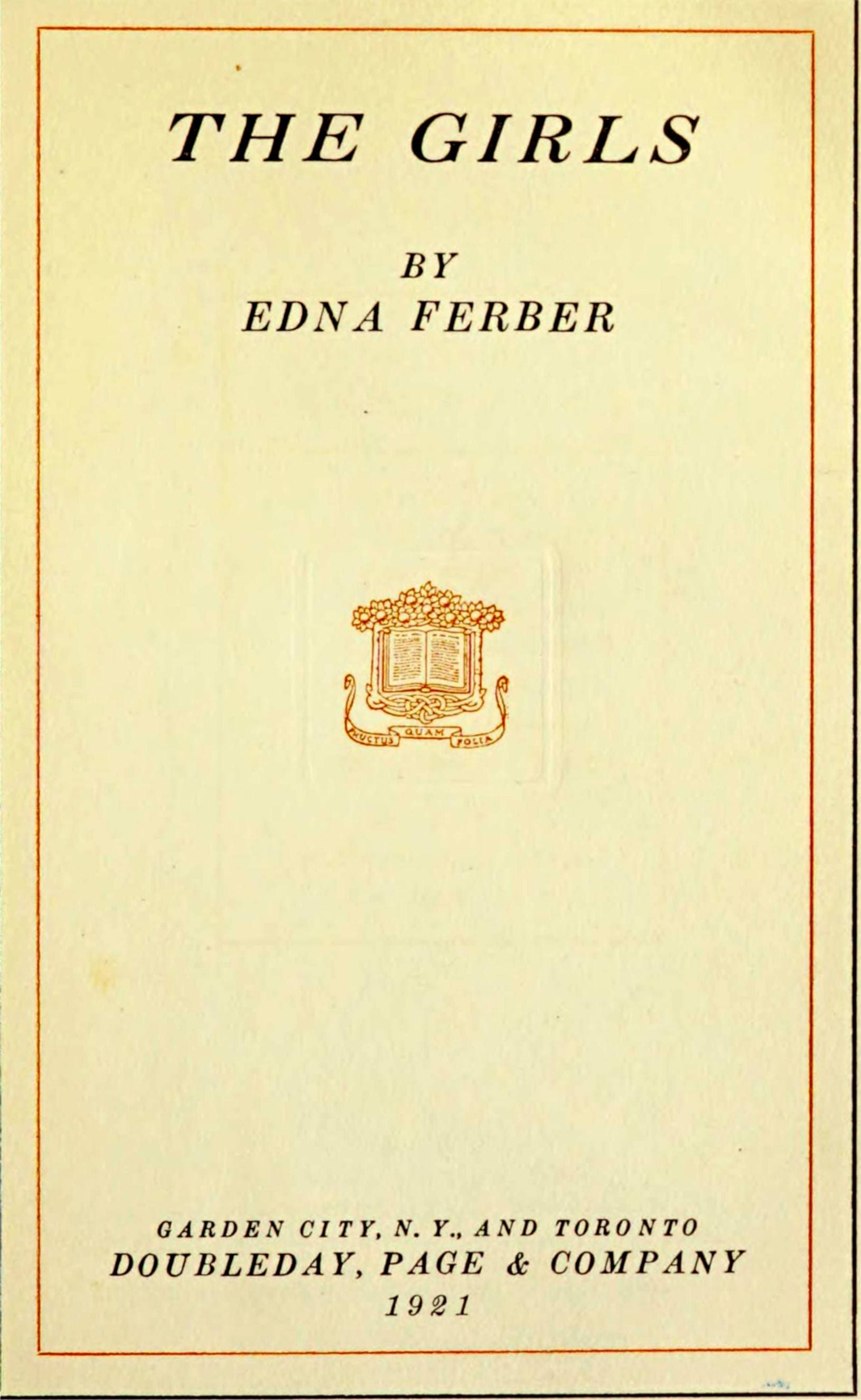
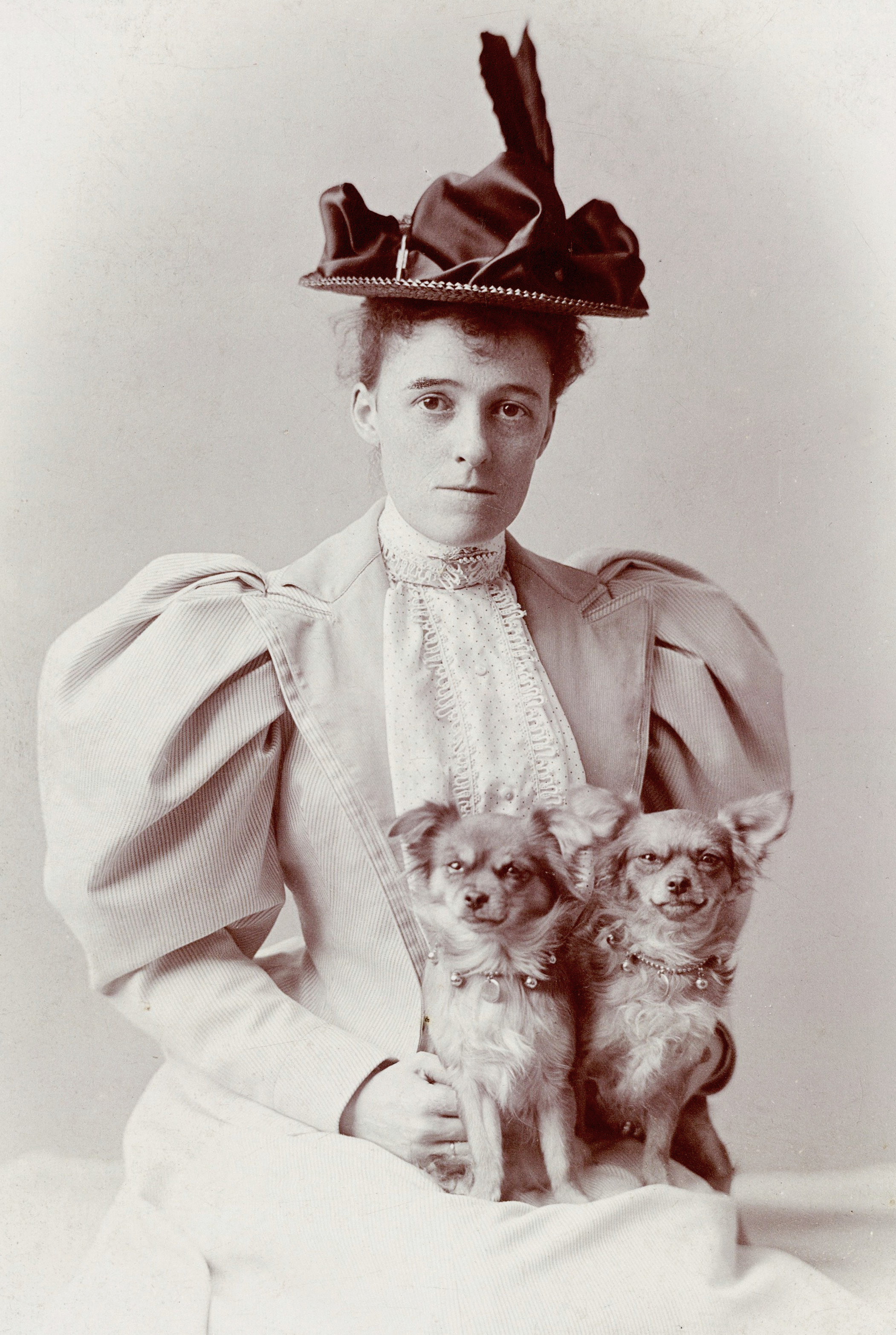
Edna Ferber was an influential American novelist, short story writer, and playwright known for her keen observations of American life and culture. Born in Kalamazoo, Michigan, she began her career as a journalist before transitioning to fiction, where her narratives often explored themes of social change and the complexities of human relationships. Ferber's most notable works include the Pulitzer Prize-winning novel So Big, which delves into the struggles of a single mother in the agricultural Midwest, and Show Boat, which not only became a celebrated musical but also highlighted the racial tensions of its time. Her novel Cimarron, which won the Pulitzer Prize in 1931, was groundbreaking for its portrayal of the American West and its diverse characters, later adapted into an Academy Award-winning film. Ferber's literary significance lies in her ability to blend rich storytelling with social commentary, making her a prominent voice in early 20th-century American literature. Her works, such as Giant and Ice Palace, further solidified her reputation, with several being adapted into successful films that brought her narratives to a broader audience. Ferber's legacy endures through her contributions to literature and theater, as well as her role in shaping the portrayal of women and minorities in American storytelling. Her influence can be seen in the works of later authors and playwrights who followed in her footsteps, making her a pivotal figure in the literary landscape of her time.
Famous Quotes
View all 3 quotes“Life cannot defeat a writer who is in love with writing - for life itself is a writer's love until death.”
“But always, to her, red and green cabbages were to be jade and burgundy, chrysoprase and prophyry. Life has no weapons against a woman like that.”
“Only amateurs say that they write for their own amusement. Writing is not an amusing occupation. It is a combination of ditch-digging, mountain-climbing, treadmill and childbirth. Writing may be interesting, absorbing, exhilarating, racking, relieving. But amusing? Never!”
Books from the author




Link to this page
Add a free, dofollow link to Lex on your blog, forum, syllabus, or reading list.

<a href="https://lex-books.com/author/edna-ferber"><img src="https://lex-books.com/badges/read-on-lex.svg" alt="Edna Ferber on Lex" width="160" height="40"></a>[](https://lex-books.com/author/edna-ferber)[url=https://lex-books.com/author/edna-ferber][img]https://lex-books.com/badges/read-on-lex.svg[/img][/url]Edna Ferber on Lex: https://lex-books.com/author/edna-ferber