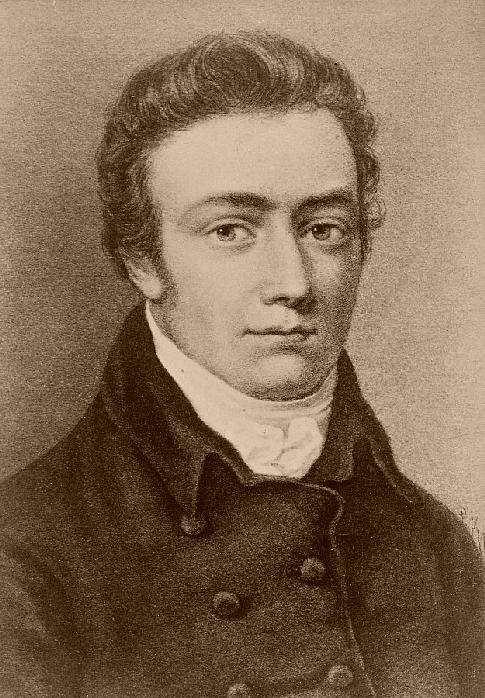
Gonçalo Anes Bandarra
Gonçalo Anes Bandarra was a Portuguese poet and a significant figure in the early 16th century, known primarily for his prophetic verses that reflect the socio-political climate of his time. Born in Trancoso, Bandarra's works are characterized by their blend of mysticism, religious fervor, and social commentary, which resonated with the struggles of the Portuguese people during the Age of Exploration. His most notable work, 'Trovas Do Bandarra,' is a collection of verses that not only showcases his poetic talent but also serves as a historical document, capturing the hopes and aspirations of a nation at a crossroads. Bandarra's poetry often delves into themes of messianism and the anticipated return of a savior figure, reflecting the anxieties and expectations of the Portuguese during a period marked by exploration and colonial expansion. His 'Trovas Inedìtas De Bandarra' further exemplifies his unique style and thematic preoccupations. Despite being less known than some of his contemporaries, Bandarra's contributions to Portuguese literature are significant, as he laid the groundwork for later literary movements and influenced subsequent generations of poets. His legacy endures as a testament to the rich cultural tapestry of Renaissance Portugal, where literature served as both a reflection of and a response to the tumultuous events of the era.
Books from the author




Link to this page
Add a free, dofollow link to Lex on your blog, forum, syllabus, or reading list.

<a href="https://lex-books.com/author/gonçalo-anes-bandarra"><img src="https://lex-books.com/badges/read-on-lex.svg" alt="Gonçalo Anes Bandarra on Lex" width="160" height="40"></a>[](https://lex-books.com/author/gonçalo-anes-bandarra)[url=https://lex-books.com/author/gonçalo-anes-bandarra][img]https://lex-books.com/badges/read-on-lex.svg[/img][/url]Gonçalo Anes Bandarra on Lex: https://lex-books.com/author/gonçalo-anes-bandarra