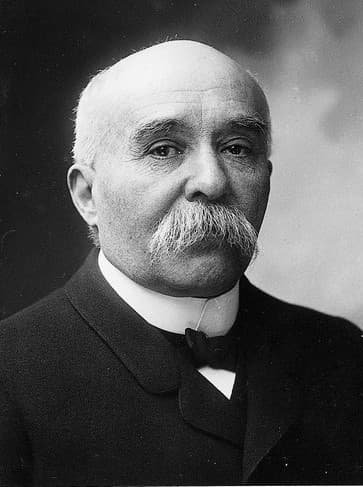
Georges Clemenceau
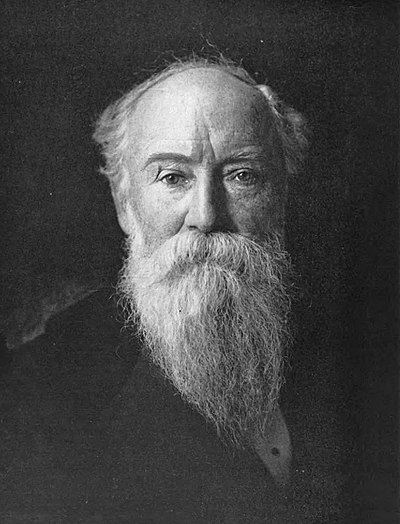
Georges Clemenceau was a prominent French statesman and journalist who played a pivotal role in shaping France's political landscape during the Third Republic. Initially trained as a physician, he transitioned into journalism and became a leading voice advocating for the separation of church and state, as well as the amnesty for the exiled Communards. His political career was marked by his tenure as Prime Minister, first from 1906 to 1909 and again during the critical years of World War I from 1917 to 1920. Clemenceau's leadership during the war earned him the nickname 'Père la Victoire' or 'Father Victory,' as he staunchly demanded total victory over Germany in the wake of massive French casualties. Clemenceau's most significant achievement came during the Paris Peace Conference, where he was instrumental in negotiating the Treaty of Versailles in 1919. His insistence on reparations, strict disarmament measures, and the restitution of Alsace-Lorraine underscored his commitment to ensuring that Germany would not pose a future threat to France. Despite his efforts to secure mutual defense treaties with the United Kingdom and the United States, these agreements ultimately failed to materialize due to political complications. Clemenceau's legacy is marked by his fierce nationalism and his belief in a strong France, which left a lasting impact on French politics and international relations in the aftermath of the war.
Famous Quotes
View all 3 quotes“A mans life is interesting primarily when he has failed. I well know. For its a sign that he tried to surpass himself.”
“America is the only nation in history which, miraculously, has gone directly from barbarism to degeneration without the usual interval of civilisation.”
“War is too important to be left to the generals”
Books from the author



Link to this page
Add a free, dofollow link to Lex on your blog, forum, syllabus, or reading list.

<a href="https://lex-books.com/author/georges-clemenceau"><img src="https://lex-books.com/badges/read-on-lex.svg" alt="Georges Clemenceau on Lex" width="160" height="40"></a>[](https://lex-books.com/author/georges-clemenceau)[url=https://lex-books.com/author/georges-clemenceau][img]https://lex-books.com/badges/read-on-lex.svg[/img][/url]Georges Clemenceau on Lex: https://lex-books.com/author/georges-clemenceau