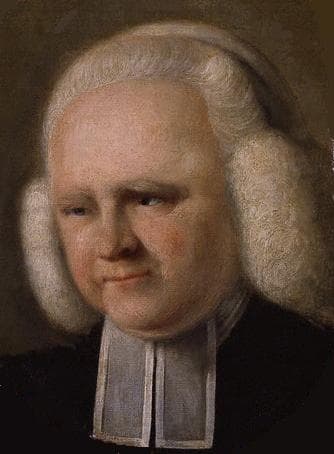
George Whitefield
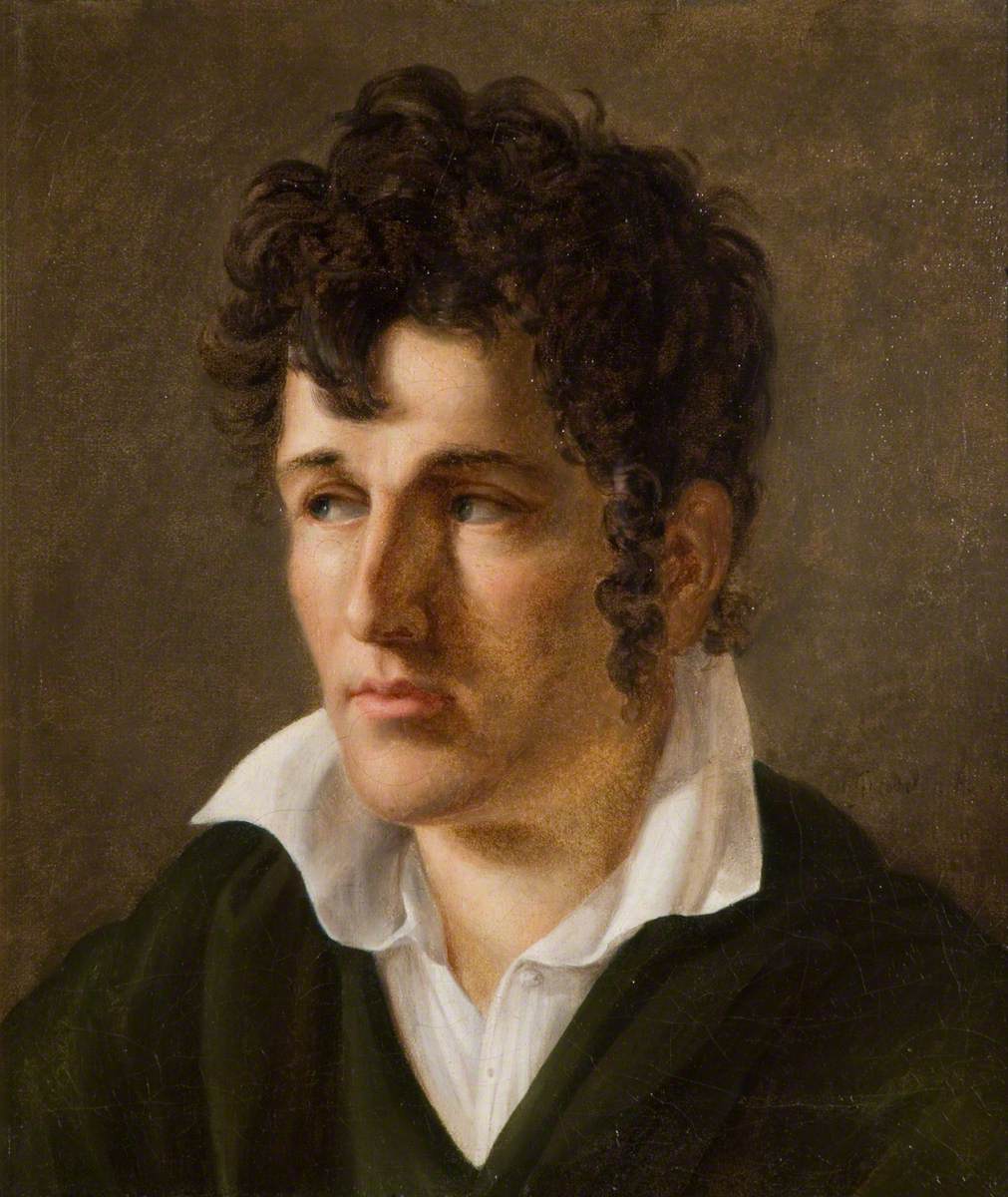
George Whitefield was an influential English Anglican priest and preacher, recognized as one of the founders of Methodism and a key figure in the evangelical movement. Born in Gloucester, he attended Pembroke College, Oxford, where he became a member of the 'Holy Club' alongside John and Charles Wesley. While he shared a close working relationship with the Wesleys, Whitefield diverged from their theological views by embracing Calvinism, which would shape his preaching style and doctrine. After his ordination, he chose not to settle in a traditional parish, opting instead for a life as an itinerant preacher, which allowed him to reach a broader audience. Whitefield's impact was particularly profound during the Great Awakening in the 1740s, when he traveled to British North America and conducted a series of revivals that drew large crowds and stirred religious fervor. His dynamic preaching style and ability to connect with diverse audiences made him a controversial figure, often leading to disputes with other clergymen. Despite the contention, his efforts significantly contributed to the spread of evangelical Christianity and the shaping of religious life in both England and America. Whitefield's legacy endures through his role in the development of Methodism and the broader evangelical movement, marking him as a pivotal figure in 18th-century religious history.
Famous Quotes
View all 3 quotes“Lord, help me to begin to begin.”
“If you are going to walk with Jesus Christ, you are going to be opposed.... In our days, to be a true Christian is really to become a scandal.”
“People want to recommend themselves to God by their sincerity; they think, 'If we do all we can, if we are but sincere, Jesus Christ will have mercy on us.' But pray what is there in our sincerity to recommend us to God? ... therefore, if you depend on your sincerity for your salvation, your sincerity will damn you.”
Books from the author








Link to this page
Add a free, dofollow link to Lex on your blog, forum, syllabus, or reading list.

<a href="https://lex-books.com/author/george-whitefield"><img src="https://lex-books.com/badges/read-on-lex.svg" alt="George Whitefield on Lex" width="160" height="40"></a>[](https://lex-books.com/author/george-whitefield)[url=https://lex-books.com/author/george-whitefield][img]https://lex-books.com/badges/read-on-lex.svg[/img][/url]George Whitefield on Lex: https://lex-books.com/author/george-whitefield