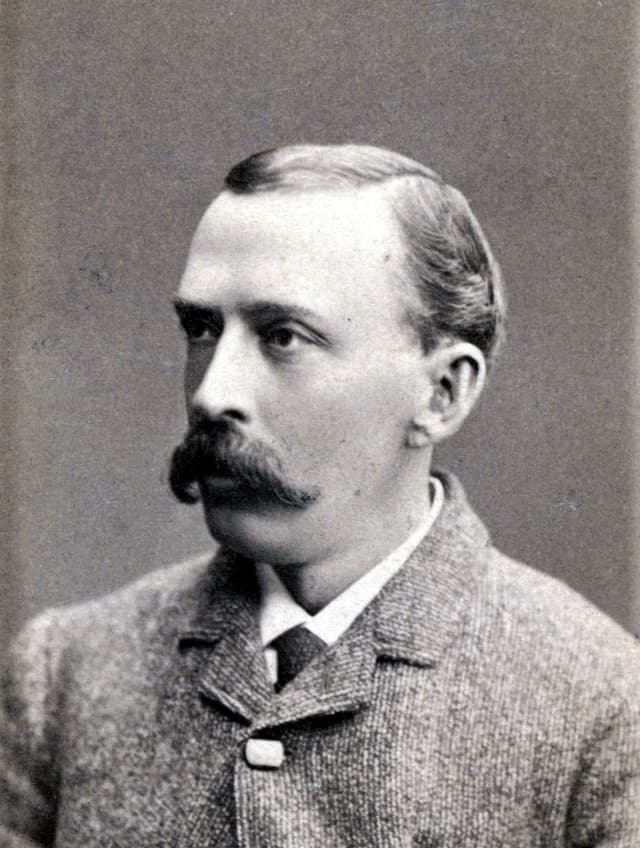
George Kennan
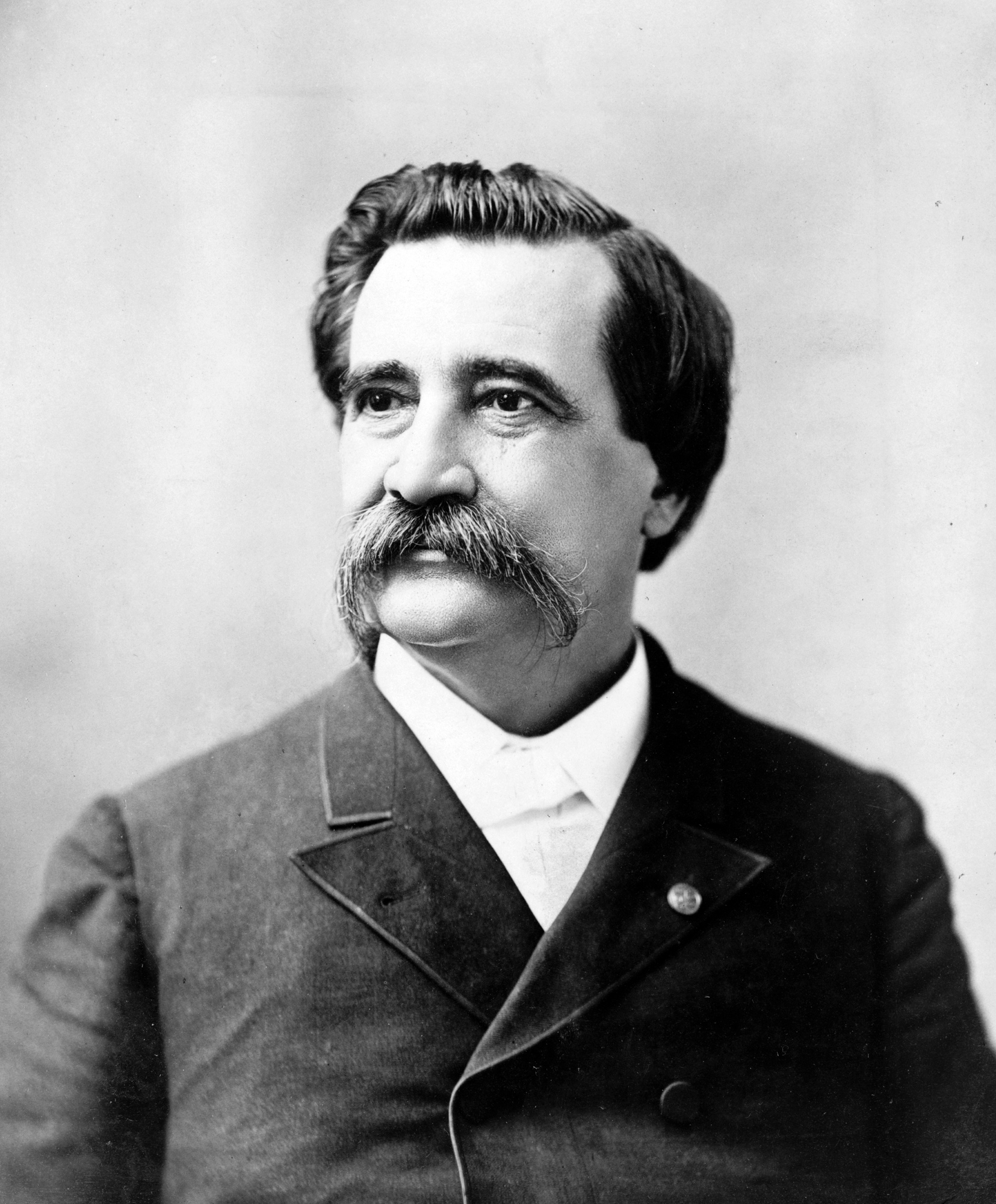
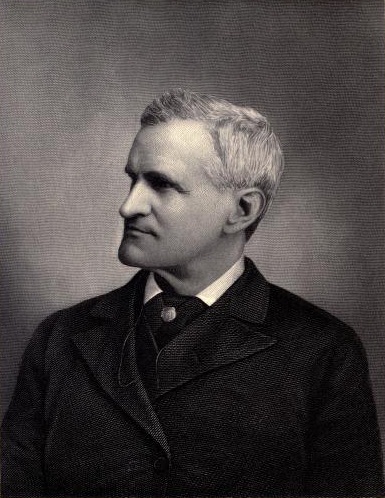
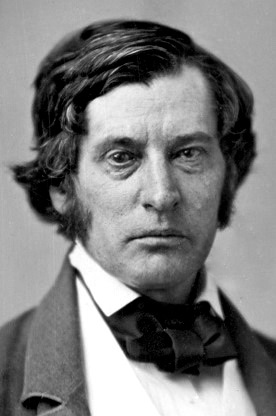
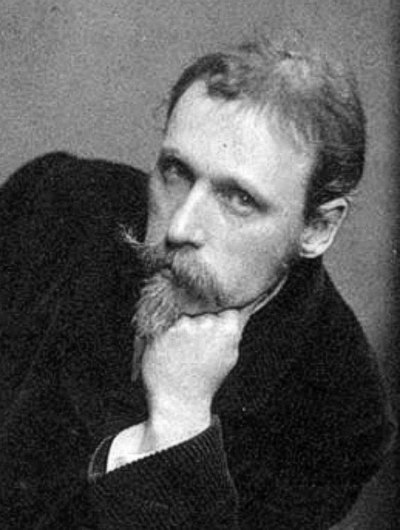
George Kennan was an influential American diplomat and historian renowned for his pivotal role in shaping U.S. foreign policy during the Cold War. His most significant contributions came through his advocacy for the containment of Soviet expansion, articulated in his famous 'Long Telegram' from Moscow in 1946 and the subsequent article 'The Sources of Soviet Conduct' in 1947. These works argued that the Soviet regime was inherently expansionist, providing the intellectual foundation for the Truman Doctrine and the U.S. strategy of containing Soviet influence in critical regions. Kennan's insights not only influenced the development of key Cold War policies, including the Marshall Plan, but also established him as a prominent figure among the foreign policy elite known as 'The Wise Men.' Despite his initial success, Kennan became increasingly critical of the militaristic direction U.S. foreign policy took after his ideas were adopted. By the late 1940s, he advocated for a more diplomatic approach towards the Soviet Union, believing that dialogue could lead to better relations. However, his proposals were largely ignored by the Truman administration, particularly after Dean Acheson became Secretary of State in 1949. As the Cold War intensified, Kennan's influence diminished, and he expressed disappointment over the shift in U.S. strategy that he felt betrayed his original vision of containment. His legacy remains significant, as his writings continue to inform discussions on foreign policy and international relations.
Famous Quotes
View all 3 quotes“The bride wore a dress of that peculiar style of calico known as "furniture prints," without trimming or ornaments of any kind. Whether it was cut "bias" or with "gores," I'm sorry to say I don't know, dress-making being as much of an occult science to me as divination.”
“It was one of those warm, still, almost tropical nights, so rarely seen on the northern waters, when a profound calm reigns in the moonless heavens, and the hush of absolute repose rests upon the tired, storm-vexed sea. There was not the faintest breath of air to stir even the reef-points of the motionless sails, or roughen the dark, polished mirror of water around the ship. A soft, almost imperceptible haze concealed the line of the far horizon, and blended sky and water into one great hollow sphere of twinkling stars. Earth and sea seemed to have passed away, and our motionless ship floated, spell-bound, in vacancy - the only earthly object in an encircling universe of stars and planets.”
“I remember that a Korak once brought to me an old tattered fashion-plate from "Frank Leslie's Illustrated Newspaper," containing three or four full-length figures of imaginary ladies, in the widest expansion of crinoline which fashion at that time prescribed. The poor Korak said he had often wondered what those curious objects could be; and now, as I was an American, perhaps I could tell him. He evidently had not the most remote suspicion that they were intended to represent human beings. I told him that those curious objects, as he called them, were American women. He burst out into a "tyee-e-e-e" of amazement, and asked with a wondering look, "Are all the women in your country as big as that at the bottom?" It was a severe reflection upon our ladies' dress, and I did not venture to tell him that the bigness was artificial, but merely replied sadly that they were.”
Books from the author


Link to this page
Add a free, dofollow link to Lex on your blog, forum, syllabus, or reading list.

<a href="https://lex-books.com/author/george-kennan"><img src="https://lex-books.com/badges/read-on-lex.svg" alt="George Kennan on Lex" width="160" height="40"></a>[](https://lex-books.com/author/george-kennan)[url=https://lex-books.com/author/george-kennan][img]https://lex-books.com/badges/read-on-lex.svg[/img][/url]George Kennan on Lex: https://lex-books.com/author/george-kennan