George H. Napheys
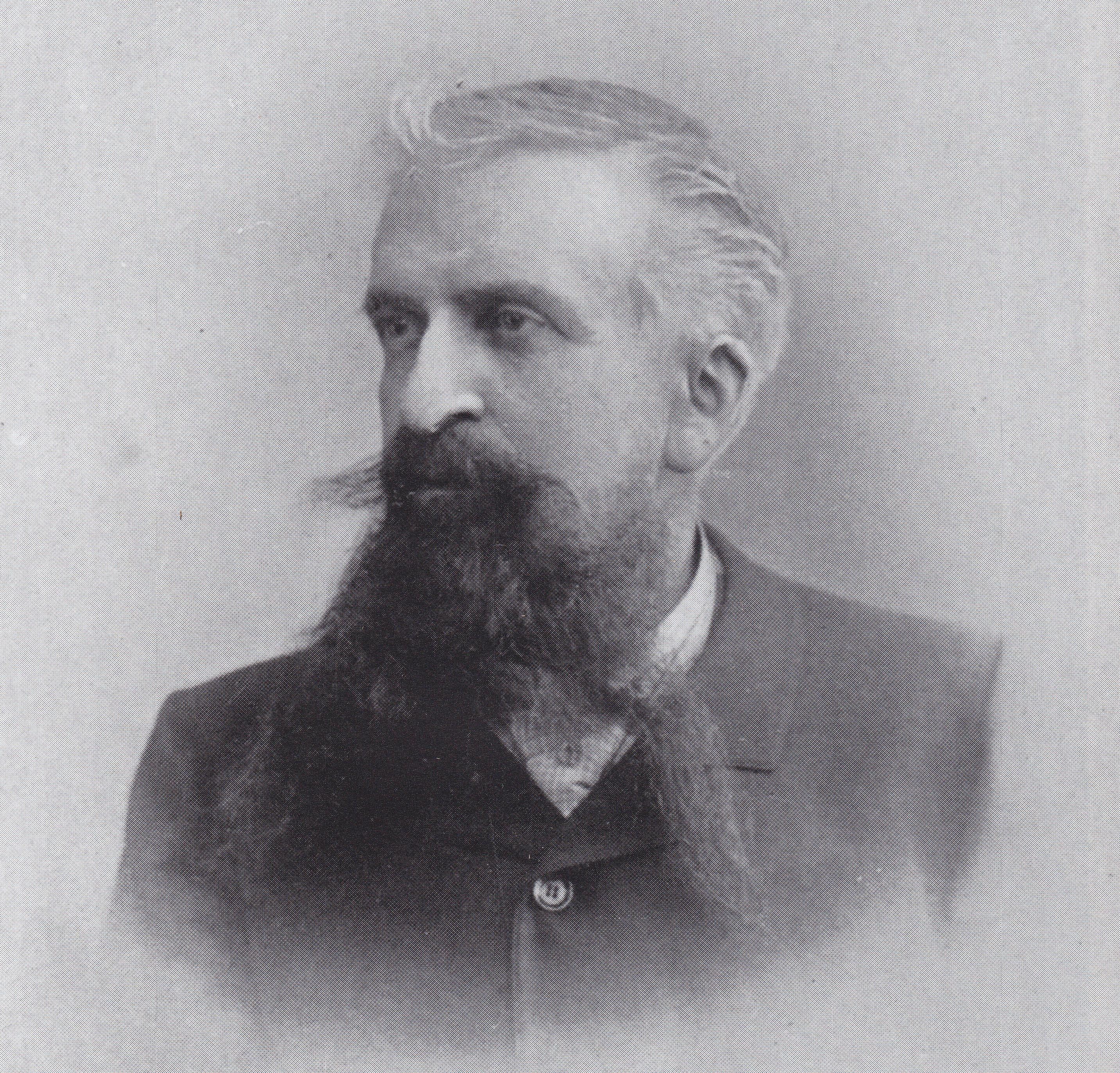
George H. Napheys was an American author and physician known for his contributions to medical literature and popular fiction in the 19th century. He gained recognition for his works that often blended medical knowledge with themes of morality and social issues. His most notable works include "The Physical Life of Woman" and "The Medical Companion," which provided insights into health and wellness, particularly focusing on women's health during a time when such topics were often shrouded in taboo. Napheys' writing was characterized by a didactic approach, aiming to educate the public on important health matters while also reflecting the prevailing social attitudes of his era. In addition to his medical writings, Napheys ventured into fiction, where he explored the complexities of human relationships and societal norms. His narratives often highlighted the struggles of individuals against the backdrop of societal expectations, making his work relevant to contemporary discussions about gender and health. Although his literary output was relatively brief due to his untimely death, Napheys left a lasting impact on both medical literature and the genre of popular fiction, paving the way for future authors to address health and social issues with greater openness and sensitivity.
Books from the author





Link to this page
Add a free, dofollow link to Lex on your blog, forum, syllabus, or reading list.

<a href="https://lex-books.com/author/george-h-napheys"><img src="https://lex-books.com/badges/read-on-lex.svg" alt="George H. Napheys on Lex" width="160" height="40"></a>[](https://lex-books.com/author/george-h-napheys)[url=https://lex-books.com/author/george-h-napheys][img]https://lex-books.com/badges/read-on-lex.svg[/img][/url]George H. Napheys on Lex: https://lex-books.com/author/george-h-napheys