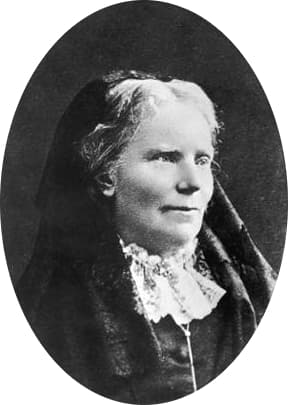
Elizabeth Blackwell
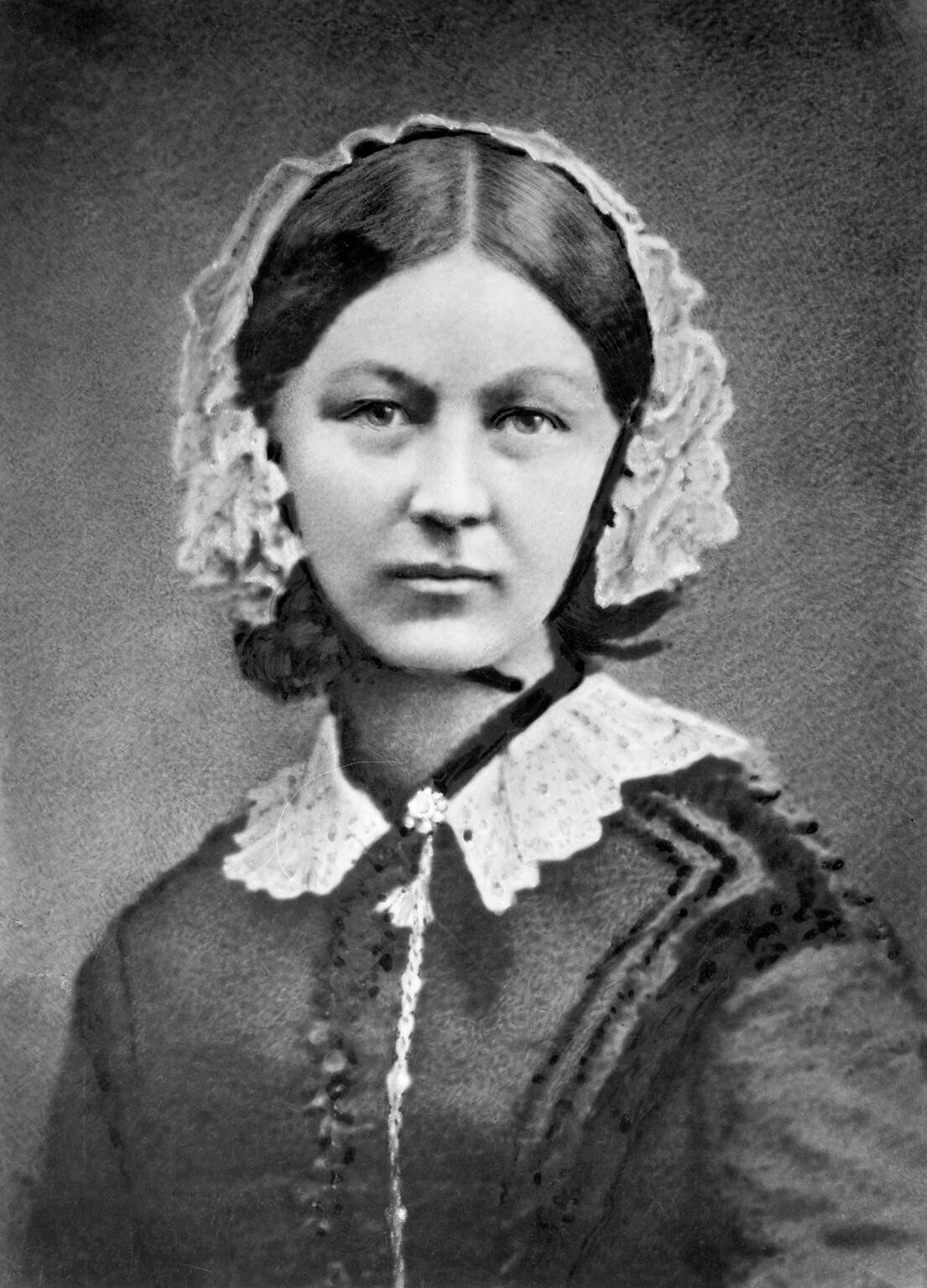
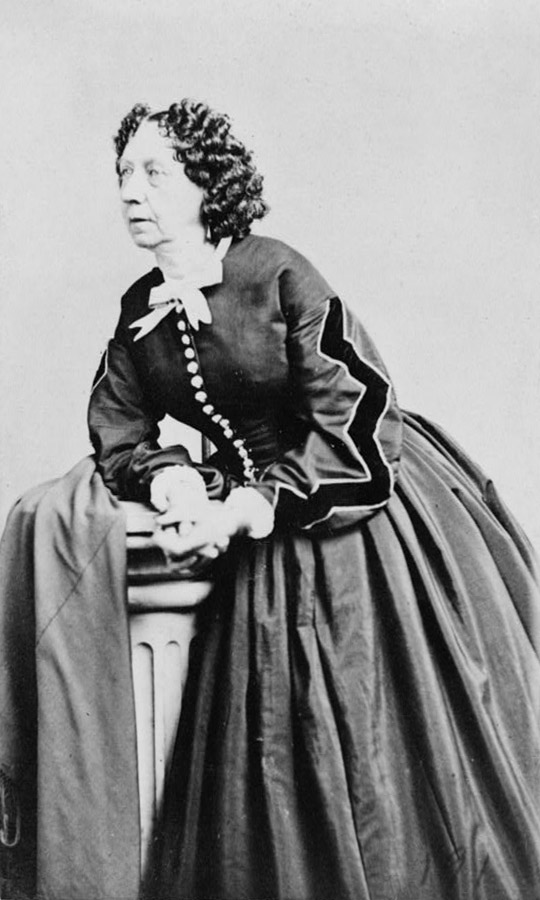
Elizabeth Blackwell was a pioneering English-American physician, renowned as the first woman to earn a medical degree in the United States. Initially a schoolteacher, Blackwell's interest in medicine was ignited after a friend suffered due to the lack of female medical care. Despite facing significant prejudice, she was accepted into Geneva Medical College in New York in 1847, largely due to a vote by male students that was intended as a joke. Her groundbreaking achievement marked a significant moment in medical history, as she not only broke gender barriers but also paved the way for future generations of women in medicine. Blackwell's contributions extended beyond her medical degree; her inaugural thesis on typhoid fever, published in 1849, was the first medical article authored by a female student in the United States. This work demonstrated her deep empathy and advocacy for social justice, traits that were often dismissed as feminine by her contemporaries. Throughout her life, Blackwell remained committed to promoting medical education for women and was instrumental in establishing the Women's Medical College of the New York Infirmary. Her legacy is honored through the Elizabeth Blackwell Medal, awarded annually to women who have significantly advanced the role of women in medicine, solidifying her status as a trailblazer in the field.
Famous Quotes
View all 3 quotes“None of us can know what we are capable of until we are tested.”
“reached. Rows of wooden shacks lined a single,”
“scared me. Before I learned what it really means to live with ghosts. Had the dream expressed an unconscious wish? I thought Lakecrest and I had come to a truce, that my feelings had dulled with time. Maybe I still hated it—more than I’d ever admit. I made my way slowly down the hall, avoiding the squeakiest floorboards. I peeked into Stella’s room, which was dimly illuminated by a night-light in the shape of a twirling ballerina. My daughter”
Books from the author
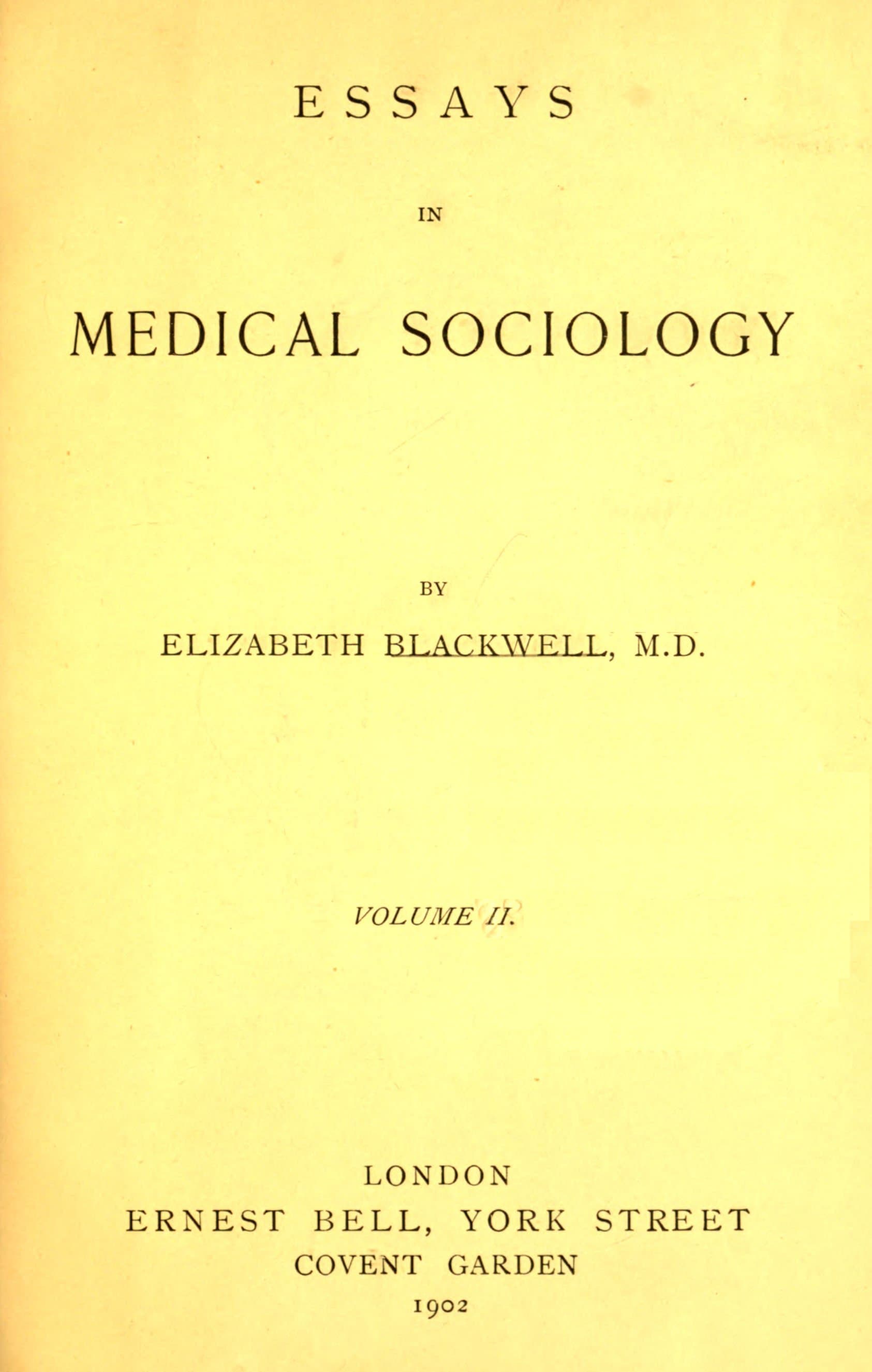
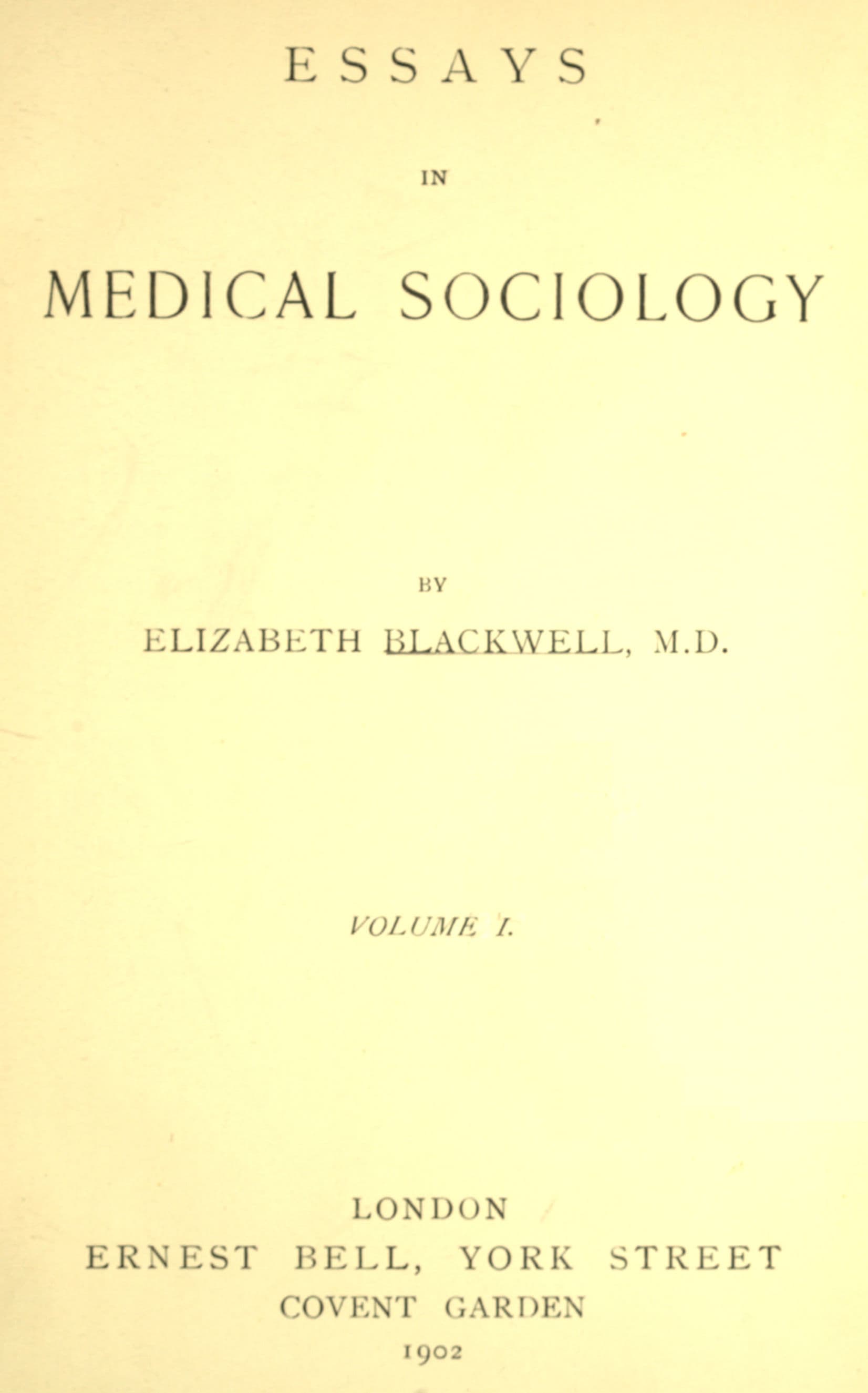

Link to this page
Add a free, dofollow link to Lex on your blog, forum, syllabus, or reading list.

<a href="https://lex-books.com/author/elizabeth-blackwell"><img src="https://lex-books.com/badges/read-on-lex.svg" alt="Elizabeth Blackwell on Lex" width="160" height="40"></a>[](https://lex-books.com/author/elizabeth-blackwell)[url=https://lex-books.com/author/elizabeth-blackwell][img]https://lex-books.com/badges/read-on-lex.svg[/img][/url]Elizabeth Blackwell on Lex: https://lex-books.com/author/elizabeth-blackwell