
James Sully
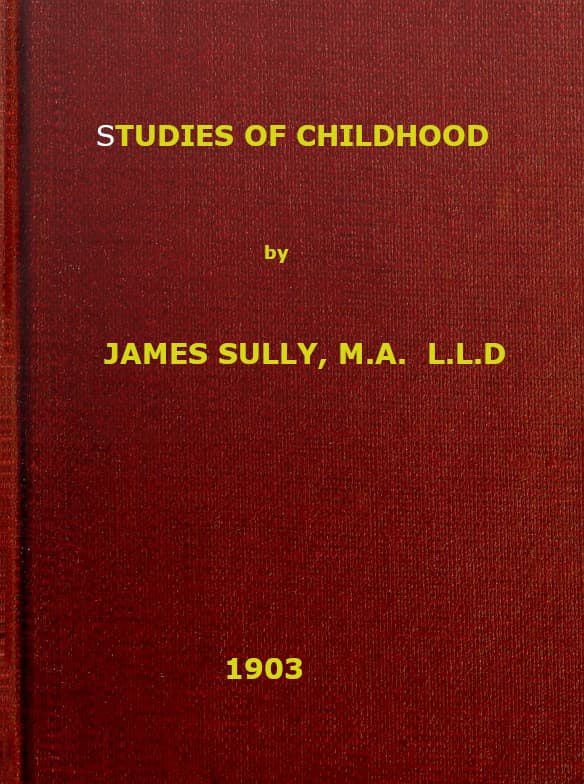
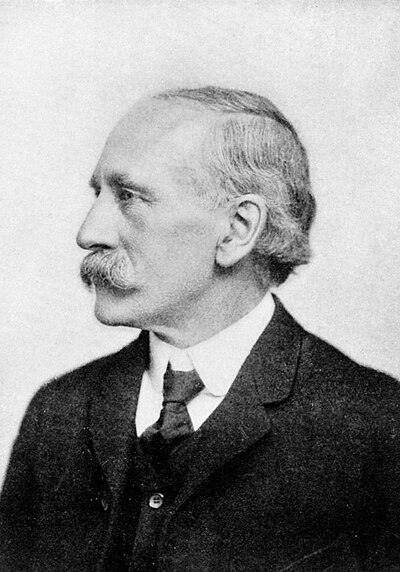
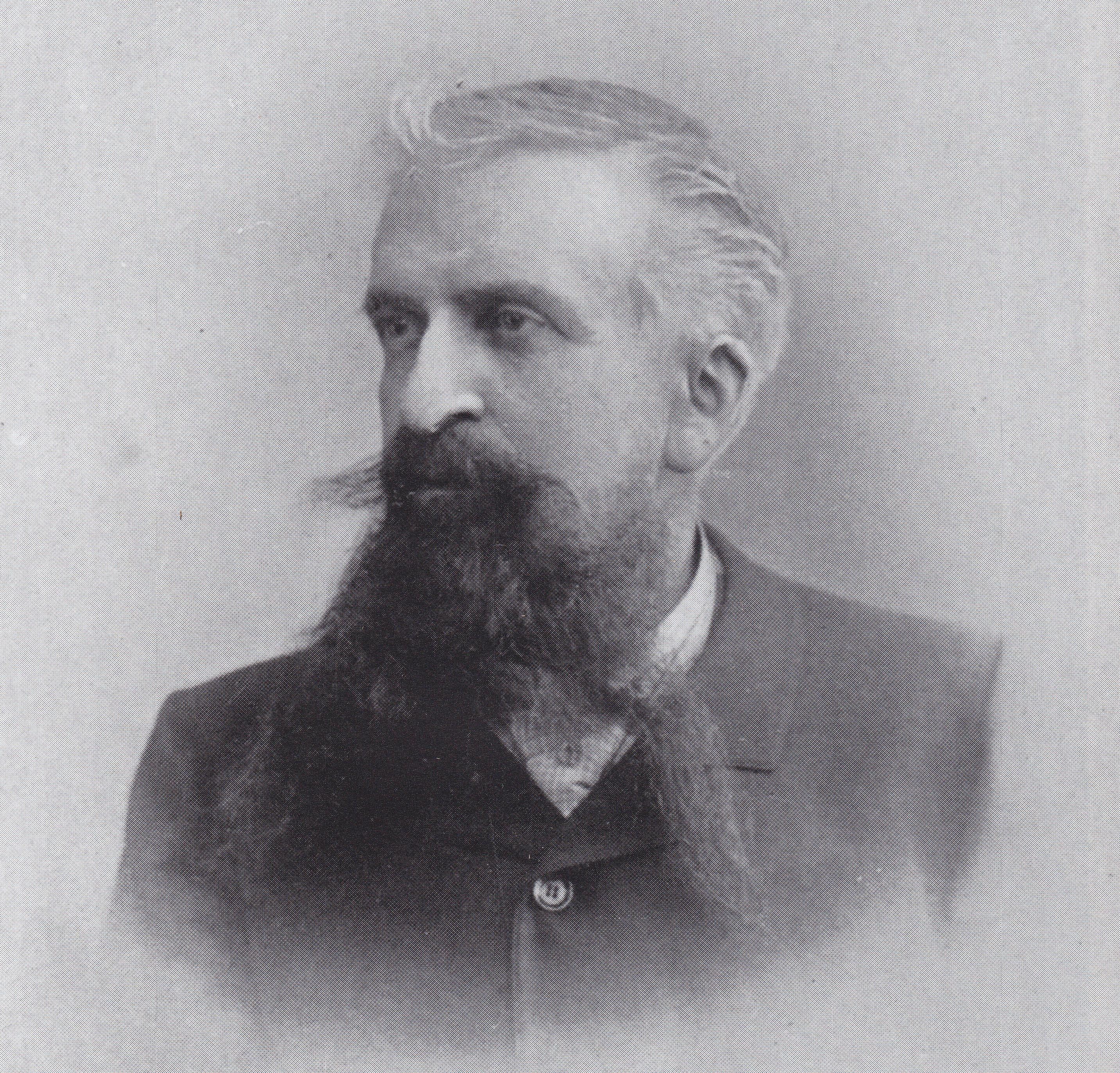
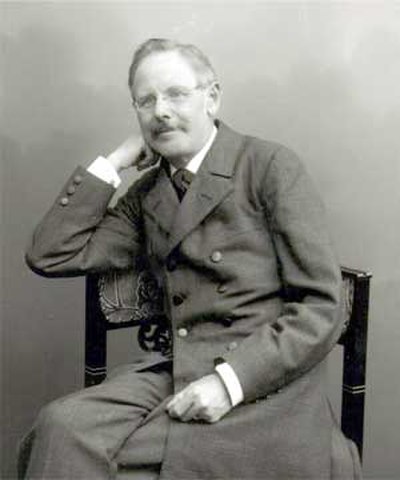
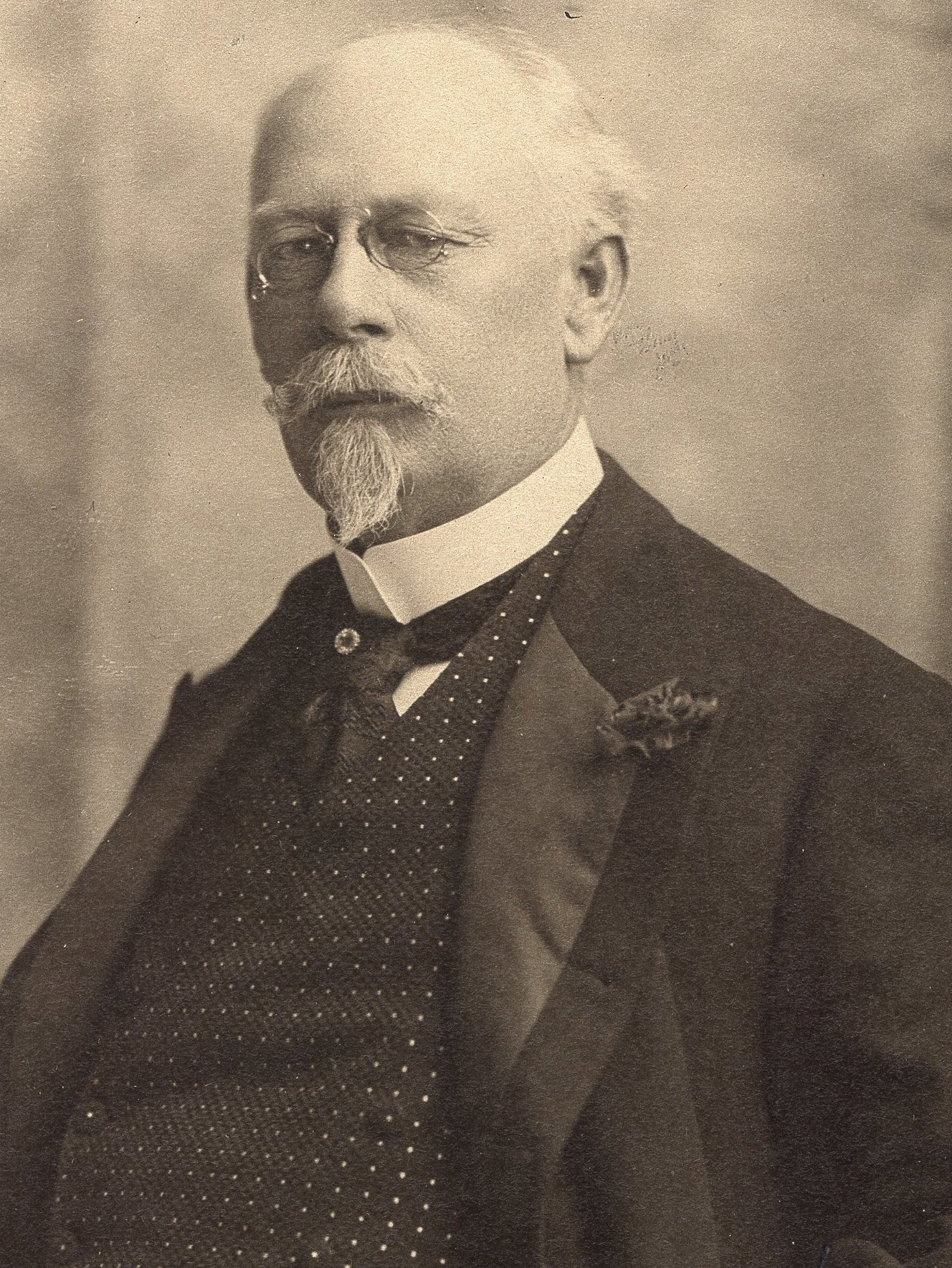
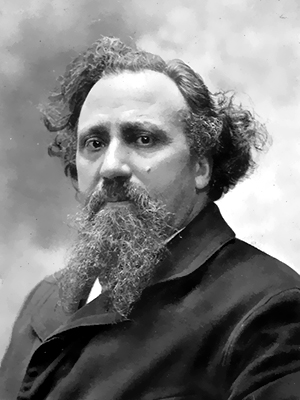
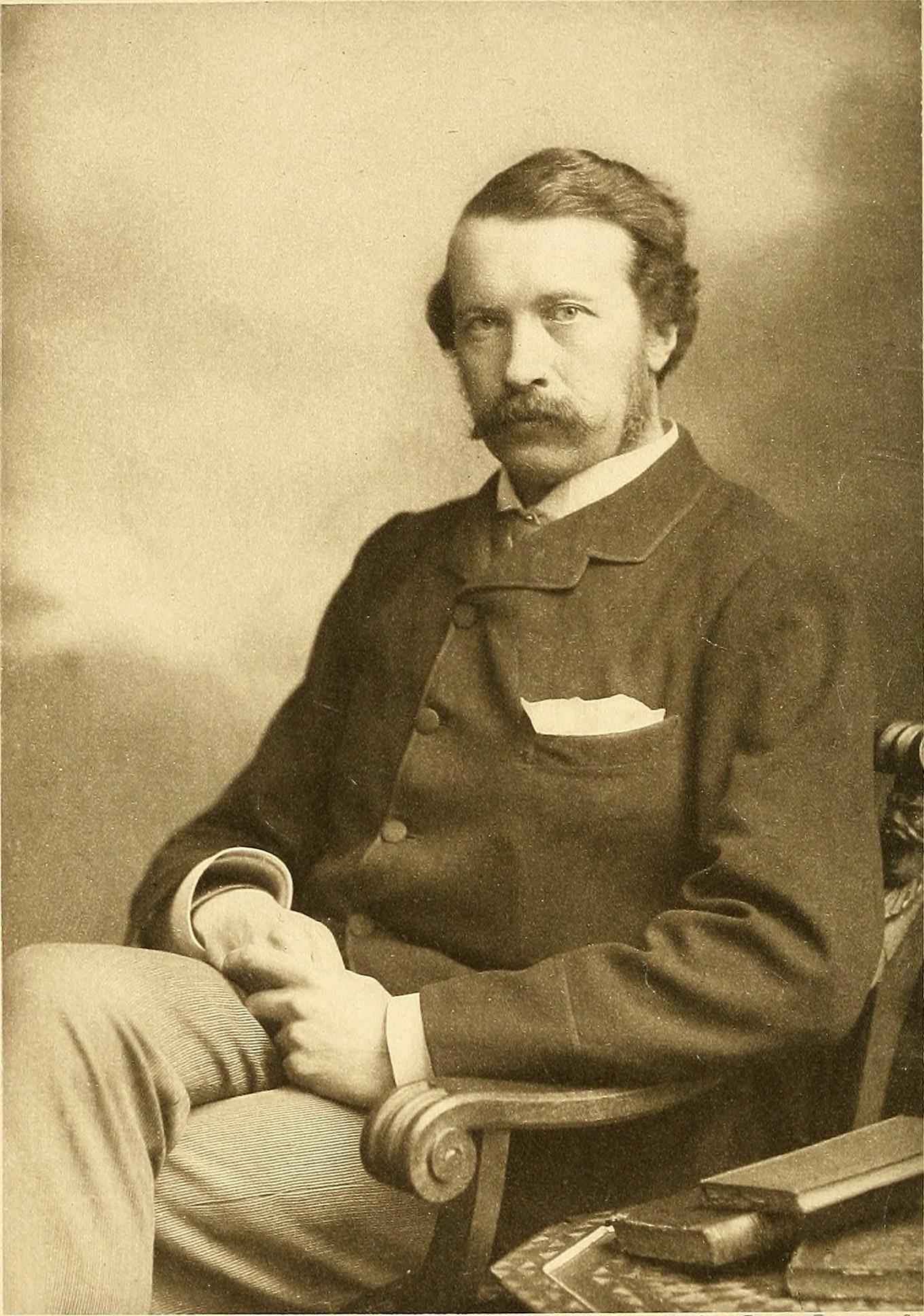
James Sully was an influential English psychologist and philosopher known for his contributions to the fields of psychology and aesthetics. Born in 1842, he was educated at University College London and later became a prominent figure in the study of mental processes and the nature of perception. His notable works include 'The Human Mind' and 'Outlines of Psychology,' where he explored the intricacies of human thought and behavior, laying groundwork for later psychological theories. Sully's approach combined empirical research with philosophical inquiry, making significant strides in understanding the relationship between mind and experience. In addition to his psychological studies, Sully was deeply interested in aesthetics and the philosophy of art. His book 'Studies of Childhood' examined the development of children's minds and their creative expressions, emphasizing the importance of early experiences in shaping perception. Sully's legacy is marked by his role in advancing psychological thought during a transformative period in the discipline, influencing both contemporaries and future scholars. His work helped bridge the gap between philosophy and psychology, establishing a foundation for modern psychological inquiry and the study of aesthetics.
Famous Quotes
View all 1 quotes“our social organism tended to undergo a process of fission, breaking up into small groups of two or three, the relative positions of which were determined, as our mathematical member would say, by their several walking coefficients, together with the strength and duration of their talking propensities.”
Books from the author







Link to this page
Add a free, dofollow link to Lex on your blog, forum, syllabus, or reading list.

<a href="https://lex-books.com/author/james-sully"><img src="https://lex-books.com/badges/read-on-lex.svg" alt="James Sully on Lex" width="160" height="40"></a>[](https://lex-books.com/author/james-sully)[url=https://lex-books.com/author/james-sully][img]https://lex-books.com/badges/read-on-lex.svg[/img][/url]James Sully on Lex: https://lex-books.com/author/james-sully