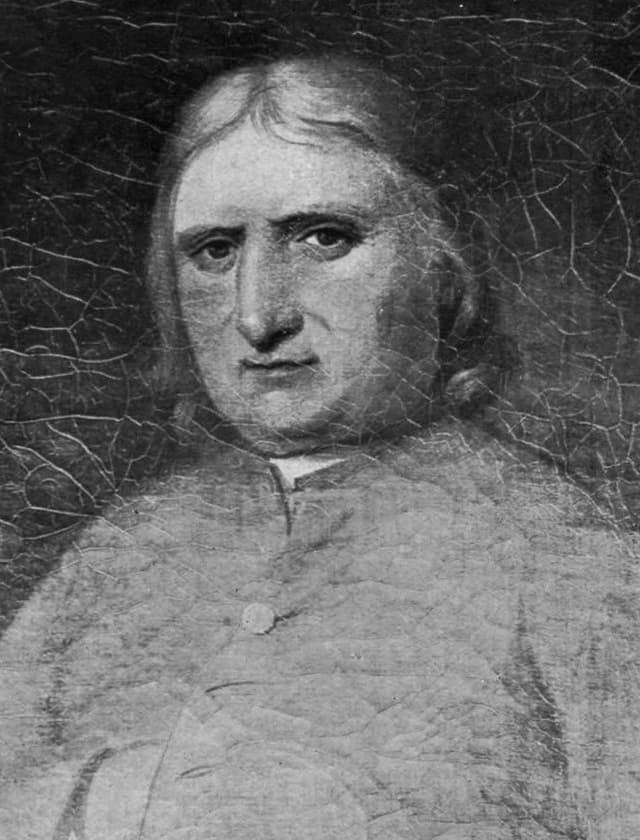
George Fox
George Fox was an influential English Dissenter and the founder of the Religious Society of Friends, commonly known as the Quakers. Born in Leicestershire to a weaver, he emerged during a period of significant social and political upheaval in England. Rejecting the established religious norms, Fox advocated for a direct, personal experience of God, which led him to travel extensively across Britain as a preacher. His uncompromising stance on faith and spirituality often resulted in persecution, including numerous arrests and imprisonments. Despite this, he performed hundreds of healings and garnered a following among those disillusioned with traditional religious practices. In 1669, Fox married Margaret Fell, a prominent supporter of the Quaker movement, which further solidified his influence. His ministry expanded beyond Britain, leading him to tour North America and the Low Countries, where he continued to spread Quaker beliefs. In his later years, Fox dedicated himself to organizing the growing Quaker community in London. His legacy is marked by his commitment to religious freedom and social justice, earning him respect from figures such as William Penn and Oliver Cromwell, despite facing disdain from some contemporary religious authorities. Fox's teachings and writings laid the groundwork for the Quaker movement, which continues to advocate for peace and equality today.
Famous Quotes
View all 3 quotes“Sing and rejoice ye children of the day and the light; for the Lord is at work in this thick night of darkness that may be felt: and the Truth doth flourish as the rose, and lilies do grow among the thorns and the plants atop the hills, and upon them the lambs doth skip and play.”
“I…denied the drawing of carnal weapons against…any man on earth; for my weapons are spiritual, which take away the occasion of war, and lead to peace.”
“Walk in the power of the Truth that the name of the Lord God may be glorified among you, his renown may be seen in you and among you, and all the world may be astonished.”
Books from the author
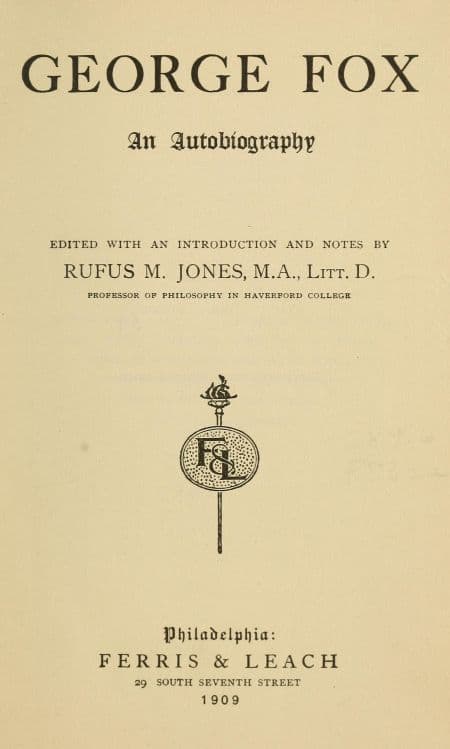
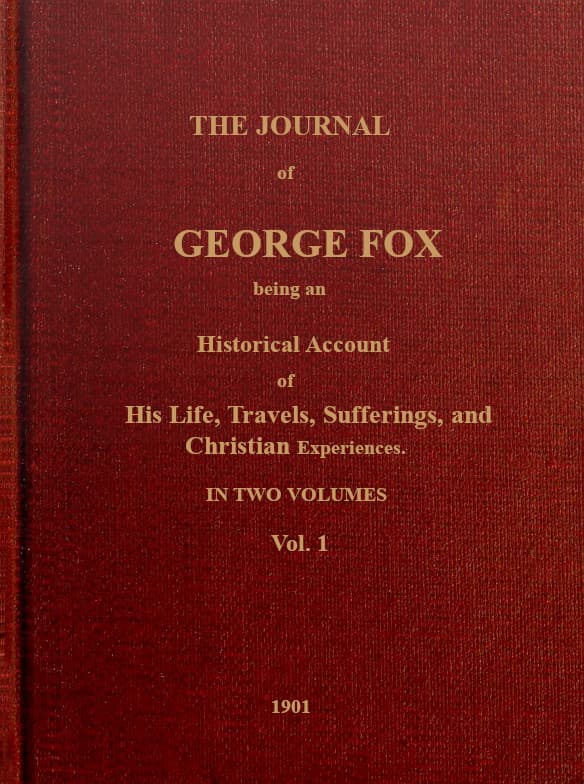
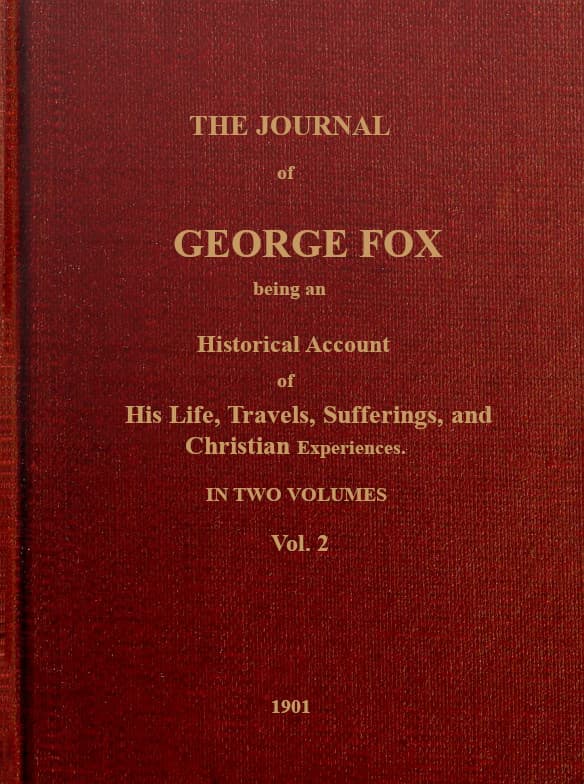
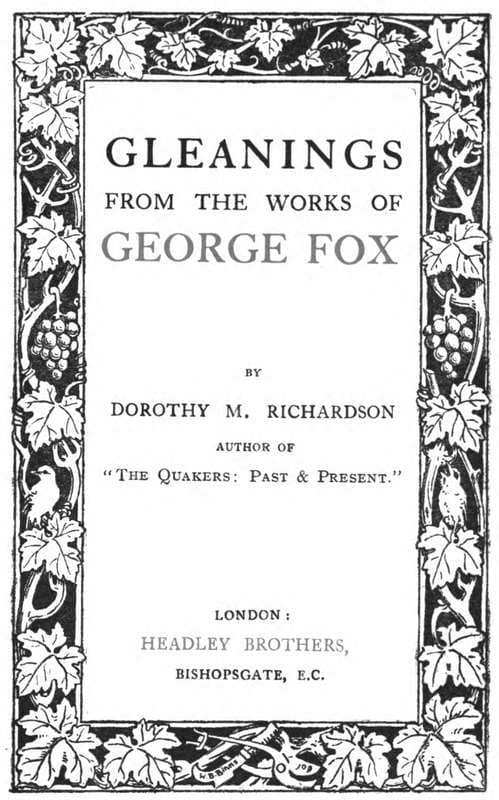


Link to this page
Add a free, dofollow link to Lex on your blog, forum, syllabus, or reading list.

<a href="https://lex-books.com/author/george-fox"><img src="https://lex-books.com/badges/read-on-lex.svg" alt="George Fox on Lex" width="160" height="40"></a>[](https://lex-books.com/author/george-fox)[url=https://lex-books.com/author/george-fox][img]https://lex-books.com/badges/read-on-lex.svg[/img][/url]George Fox on Lex: https://lex-books.com/author/george-fox