
Georg Kaiser
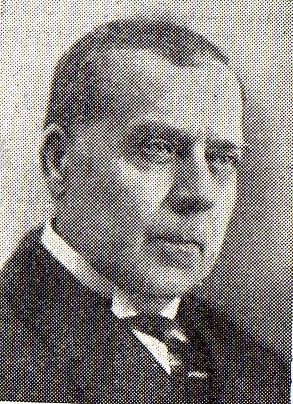
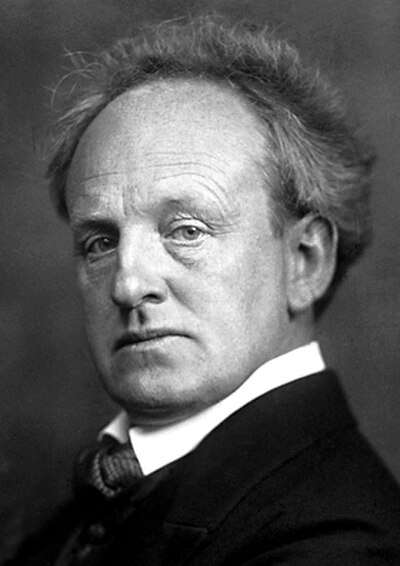
Georg Kaiser was a prominent German dramatist known for his innovative contributions to the expressionist theatre movement in the early 20th century. Born in 1878, he began his career as a writer in the context of a rapidly changing German society, marked by industrialization and the aftermath of World War I. His most notable works include 'From Morn to Midnight' and 'The Burghers of Calais,' which exemplify his exploration of existential themes and the human condition through a unique blend of surrealism and social critique. Kaiser's plays often challenged conventional narrative structures and employed symbolic imagery to convey the struggles of modern life. Kaiser's significance lies not only in his artistic innovations but also in his ability to reflect the anxieties and aspirations of his time. His works were pivotal in shaping the landscape of German theatre, influencing subsequent generations of playwrights. Despite facing challenges during the rise of the Nazi regime, which led to the censorship of his works, Kaiser continued to write until his death in 1945. His legacy endures as a key figure in the expressionist movement, whose plays continue to be studied and performed for their bold experimentation and profound insights into the human psyche.
Famous Quotes
View all 1 quotes“Das Fahrrad ist die abenteuerlichste Erfindung des menschlichen Geistes. Wie jeder großartige Einfall ist er sofort vollkommen da und duldet keine Verfeinerungen. [...] Längst bin ich zu der Überzeugung gekommen, daß der Menschheit das Fahrrad geschenkt ist als Äquivalent für alle Plagen der Technik. Erbarmungsvoll ist ihr aus dem technischen Kollektiv — da es kein seelisches gibt — ein Weg in die Isoliertheit geöffnet. Das Fahrrad inthronisiert die Privatperson. Es macht sie unabhängig von Hilfsmitteln. Der Radfahrer tritt zu — und distanziert sich.[...] Sein Antipode ist der Automobilist. Das Wesen mit der Kuppelung. An den Motor, an die öffentliche Fahrrinne, an die Tankstelle. Vor allen Dingen : er wird gefahren — er fährt nicht. [...] Der Mensch muß viel erfahren haben, um klug zu werden. Da wir die Technik erleiden mußten, sind wir zweifellos zur größten Weisheit berufen. Nämlich: nichts für sich tun zu lassen, sondern alles selbst zu tun. [...] Das Wandern ist keine Lust, das Automobilfahren ist ein Laster. Zwischen Lustlosigkeit und Laster muß es liegen. Was? Das Menschenwürdige Der Querschnitt, Band XII, Heft 1, Ende Januar 1932, S. 30-32 .”
Books from the author








Link to this page
Add a free, dofollow link to Lex on your blog, forum, syllabus, or reading list.

<a href="https://lex-books.com/author/georg-kaiser"><img src="https://lex-books.com/badges/read-on-lex.svg" alt="Georg Kaiser on Lex" width="160" height="40"></a>[](https://lex-books.com/author/georg-kaiser)[url=https://lex-books.com/author/georg-kaiser][img]https://lex-books.com/badges/read-on-lex.svg[/img][/url]Georg Kaiser on Lex: https://lex-books.com/author/georg-kaiser