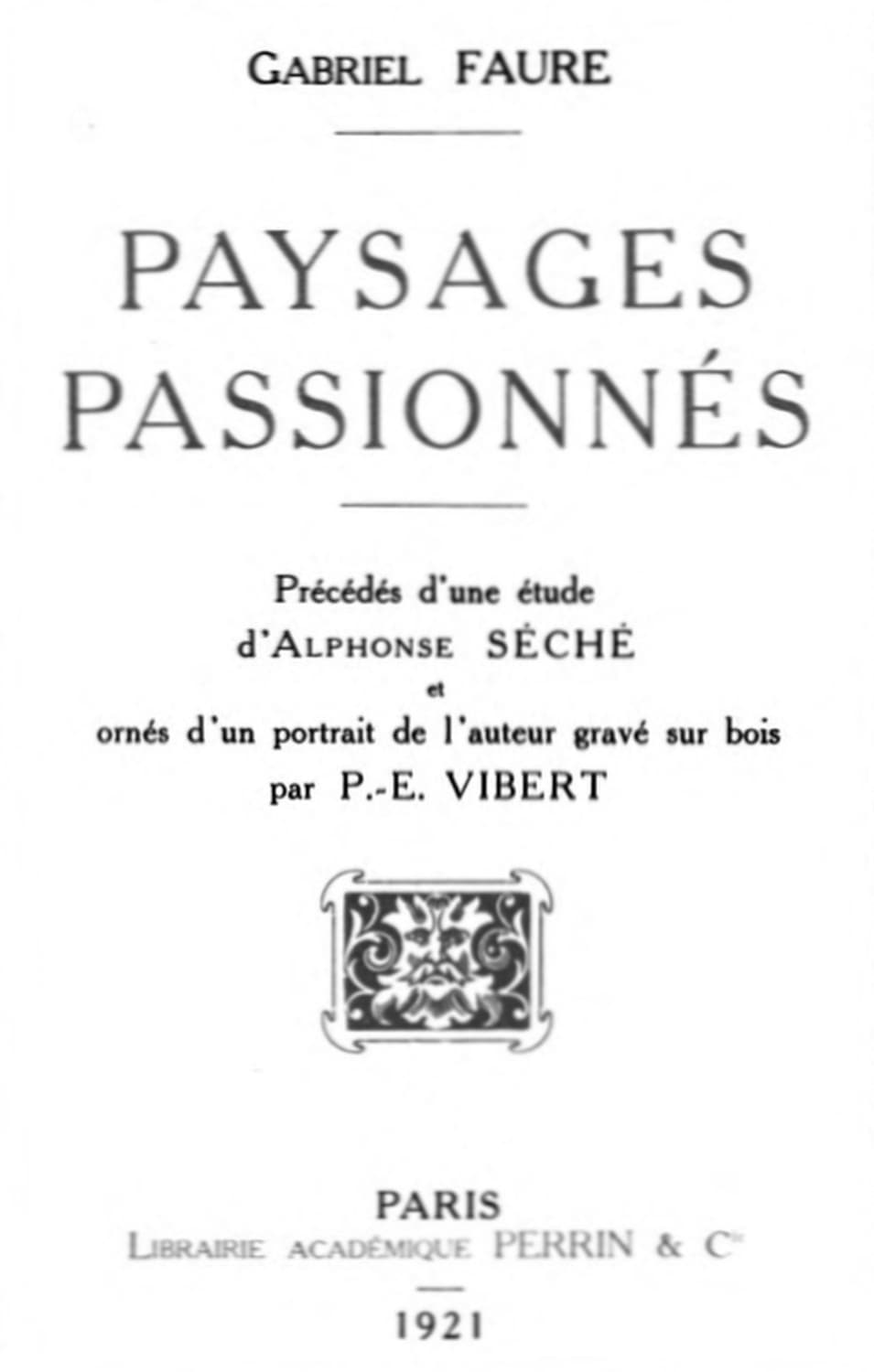
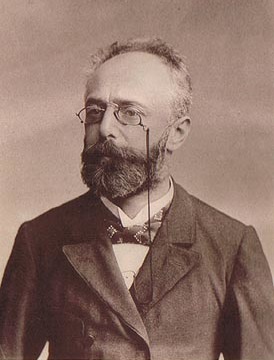
Gabriel Faure
Gabriel Fauré was a prominent French composer, organist, pianist, and teacher, recognized as one of the leading musical figures of his generation. Born into a cultured family, he displayed musical talent early on and was educated at the École Niedermeyer in Paris, where he studied under Camille Saint-Saëns. Fauré's career as an organist and teacher, including significant roles at the Église de la Madeleine and the Paris Conservatoire, often limited his time for composition. However, he produced a remarkable body of work, with notable pieces such as 'Pavane,' 'Requiem,' 'Sicilienne,' and various nocturnes and songs like 'Après un rêve' and 'Clair de lune.' His earlier compositions are celebrated for their accessibility, while his later works showcase a more complex harmonic and melodic style, reflecting the transition from Romanticism to early modernism. Fauré's influence extended beyond France, although it took time for his music to gain recognition internationally. He was instrumental in shaping the musical landscape of the early 20th century, with his innovative approaches to harmony and melody impacting future generations of composers. His legacy was solidified with a national tribute in 1922, acknowledging his status as the foremost French composer of his time. Despite facing increasing deafness in his later years, Fauré continued to compose, producing works that were at times elusive and introspective, yet also passionate and dynamic, marking him as a pivotal figure in the evolution of Western classical music.
Famous Quotes
View all 1 quotes“The great charm of St Francis, that which explains the wonderful attraction he has even for spirits apparently removed from him, is that no one was less a churchman. He was neither a priest nor theologian. He did not even know his bible well. He ignored the first rules of scholasticism... He hardly knew the Saints, of whom he was to become the greatest. He spoke to the crowds, not like the ecclesiatical preachers, from high pulpits, but simply, from among the peasants and the womenfolk, without dogmatic paraphernalia, without theological quotations or pompous phrases. He was an orator without oratorical method. His way of renouncing earthly goods was not the way of the ascetics. He forbade himself riches, he did not forbid himself joy...”
Books from the author


Link to this page
Add a free, dofollow link to Lex on your blog, forum, syllabus, or reading list.

<a href="https://lex-books.com/author/gabriel-faure"><img src="https://lex-books.com/badges/read-on-lex.svg" alt="Gabriel Faure on Lex" width="160" height="40"></a>[](https://lex-books.com/author/gabriel-faure)[url=https://lex-books.com/author/gabriel-faure][img]https://lex-books.com/badges/read-on-lex.svg[/img][/url]Gabriel Faure on Lex: https://lex-books.com/author/gabriel-faure