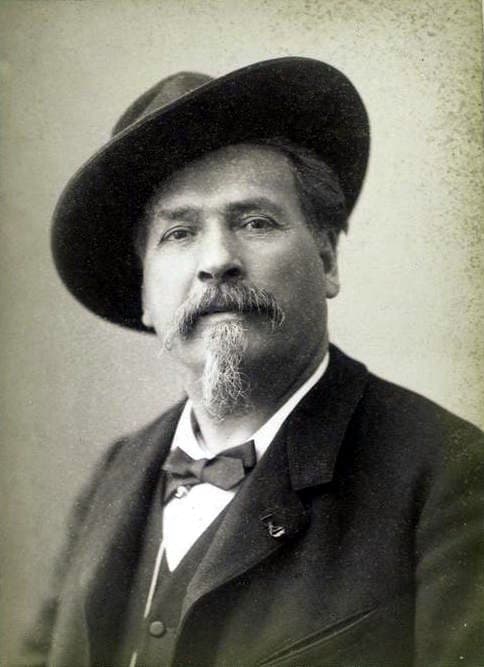
Frédéric Mistral
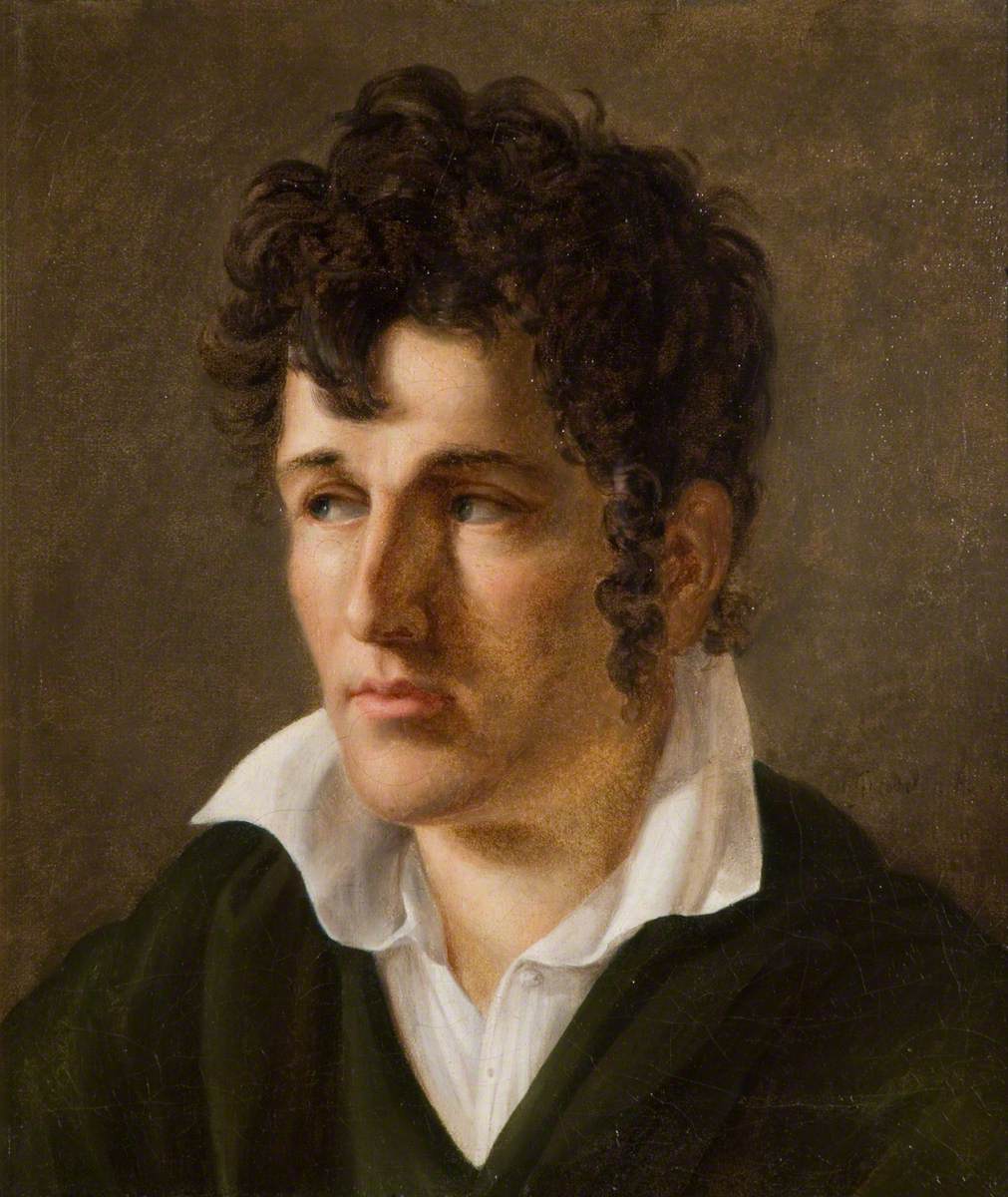
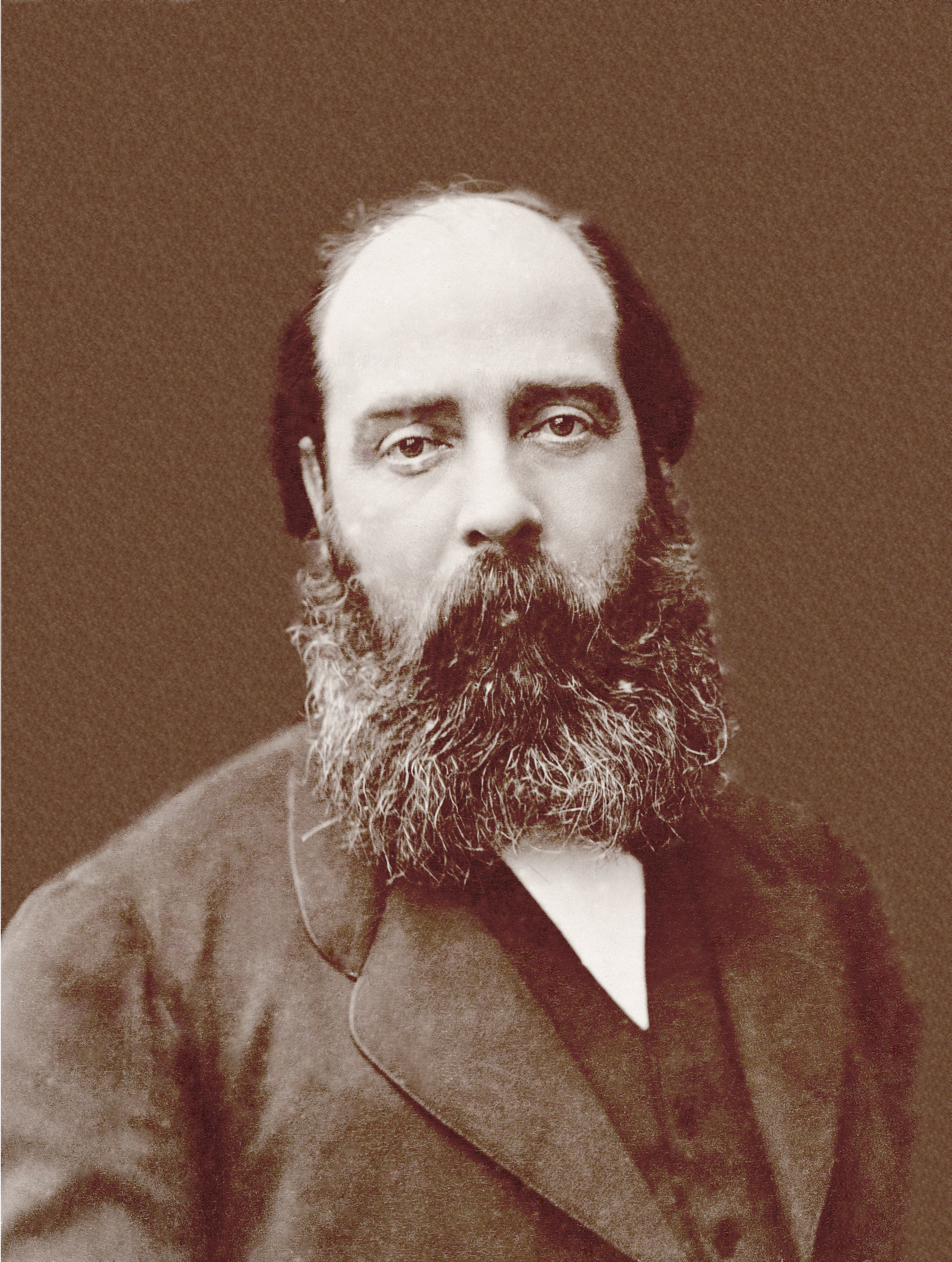
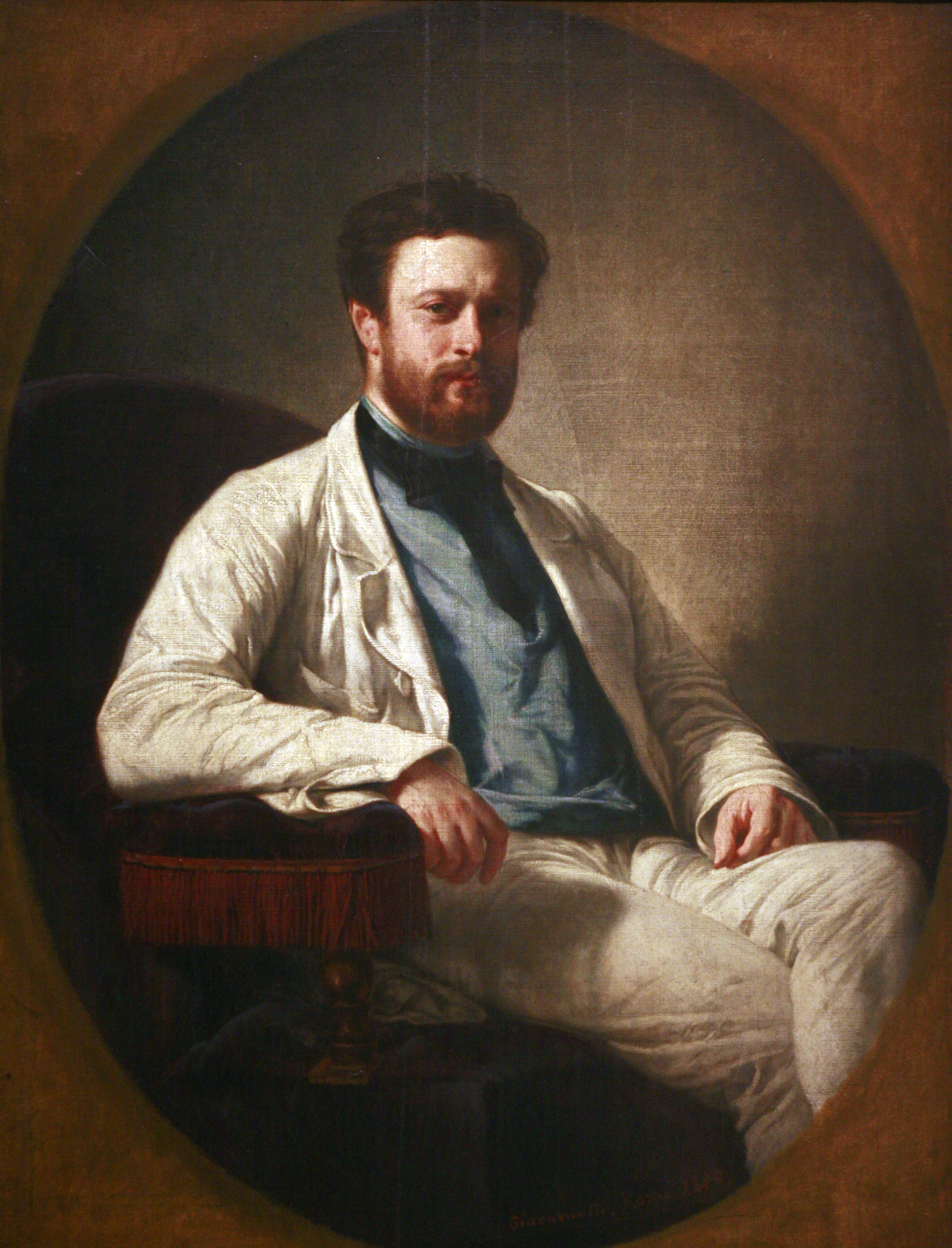
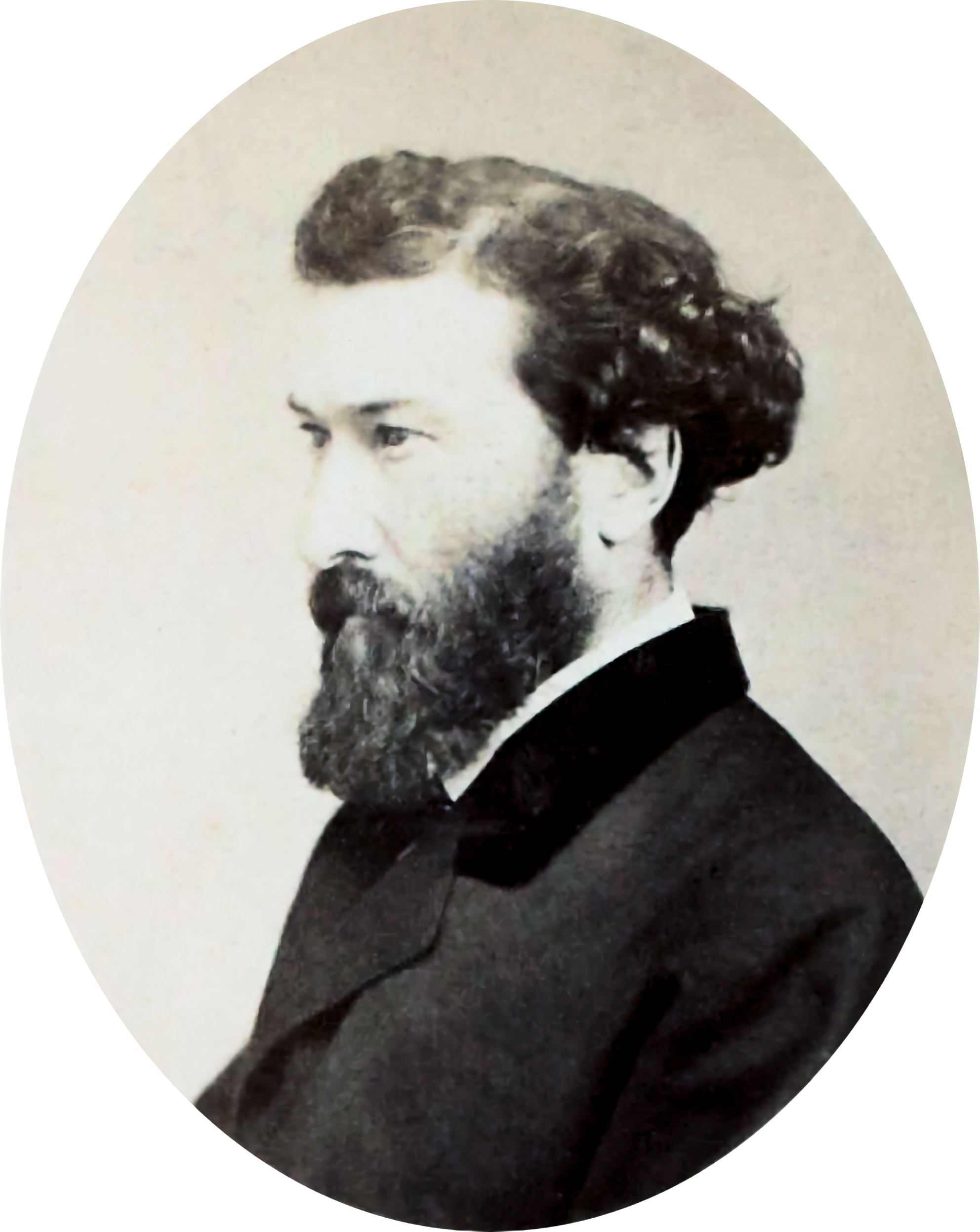
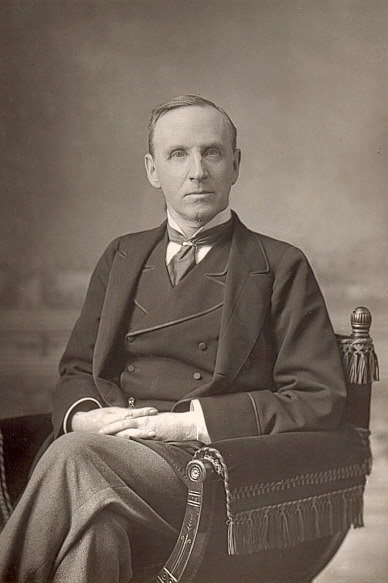
Frédéric Mistral was a prominent French poet and a key figure in the revival of the Occitan language and culture during the 19th century. Born in the region of Provence, Mistral's early life was steeped in the rich traditions and folklore of his homeland, which deeply influenced his literary work. He became a leading voice of the Félibrige, a literary and cultural movement aimed at promoting the use of the Occitan language and preserving regional identity. His most notable work, 'Mirèio' (Mireille), is an epic poem that tells the story of a tragic love set against the backdrop of the Provençal landscape, showcasing both the beauty of the language and the cultural heritage of the region. Mistral's poetry often celebrated rural life and the natural world, reflecting his deep connection to his roots. In recognition of his contributions to literature and culture, Mistral was awarded the Nobel Prize in Literature in 1904, becoming one of the first poets to receive this honor for works written in a regional language. His legacy extends beyond his poetry; he played a crucial role in the cultural revival of Occitan, inspiring future generations of writers and activists to embrace their linguistic heritage. Mistral's influence can be seen in the continued appreciation for Provençal culture and language, making him a significant figure in both French literature and the broader context of regional identity in Europe.
Famous Quotes
View all 1 quotes“When the Good Lord begins to doubt the world, he remembers that he created Provence””
Books from the author


Link to this page
Add a free, dofollow link to Lex on your blog, forum, syllabus, or reading list.

<a href="https://lex-books.com/author/frédéric-mistral"><img src="https://lex-books.com/badges/read-on-lex.svg" alt="Frédéric Mistral on Lex" width="160" height="40"></a>[](https://lex-books.com/author/frédéric-mistral)[url=https://lex-books.com/author/frédéric-mistral][img]https://lex-books.com/badges/read-on-lex.svg[/img][/url]Frédéric Mistral on Lex: https://lex-books.com/author/frédéric-mistral