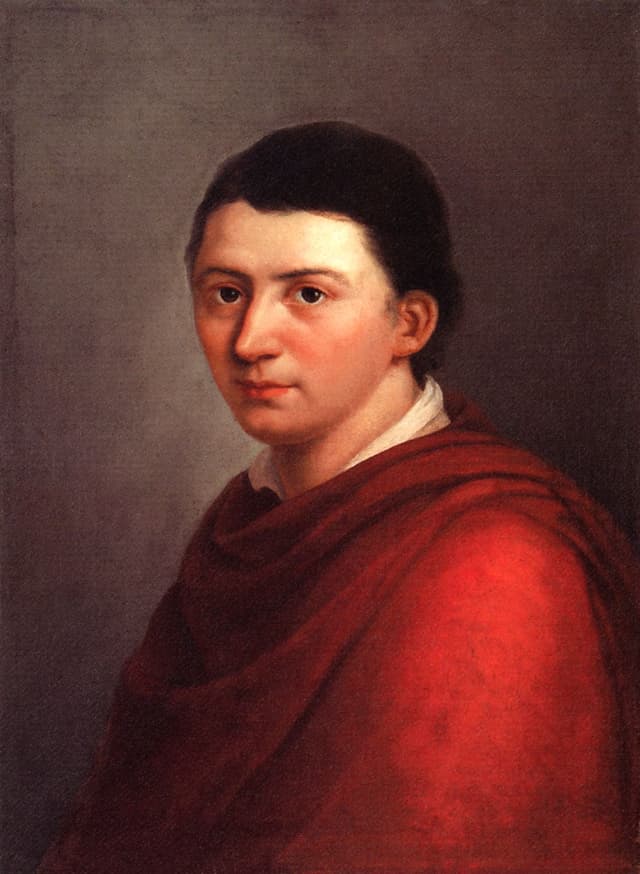
Friedrich von Schlegel
Friedrich von Schlegel was a prominent German literary critic, philosopher, and Indologist, recognized as a key figure in the Jena Romanticism movement alongside his brother, August Wilhelm Schlegel. Born into a devout Protestant family, he initially embraced atheism and individualism, shifting his academic focus from law to classical literature. Schlegel's literary career flourished as he founded influential journals like Athenaeum and engaged in writing and lecturing. His intellectual journey took a significant turn in 1808 when he returned to Christianity, which led to estrangement from his previous circle. Subsequently, he moved to Austria, where he served as a diplomat and journalist under Klemens von Metternich, the Austrian Foreign Minister. Schlegel's contributions to literature and linguistics were profound. He was a pioneering figure in Indo-European studies, notably the first to articulate what became known as Grimm's law, and he published groundbreaking theories linking Indo-Iranian and German languages. His influence extended beyond academia, inspiring notable writers such as Samuel Taylor Coleridge and Adam Mickiewicz. Additionally, some of his literary works were adapted into music by composers like Schubert, Mendelssohn, and Schumann. Friedrich von Schlegel's legacy as a promoter of Romanticism and a trailblazer in comparative linguistics continues to resonate in literary and linguistic studies today.
Famous Quotes
View all 4 quotes“The historian is a prophet looking backwards.””
“An aphorism ought to be entirely isolated from the surrounding world like a little work of art and complete in itself like a hedgehog.””
“It is the enthusiasm of destruction that reveals the meaning of the divine creation. It is not but in the midst of death that the meaning of eternal life flashes forth””
Books from the author







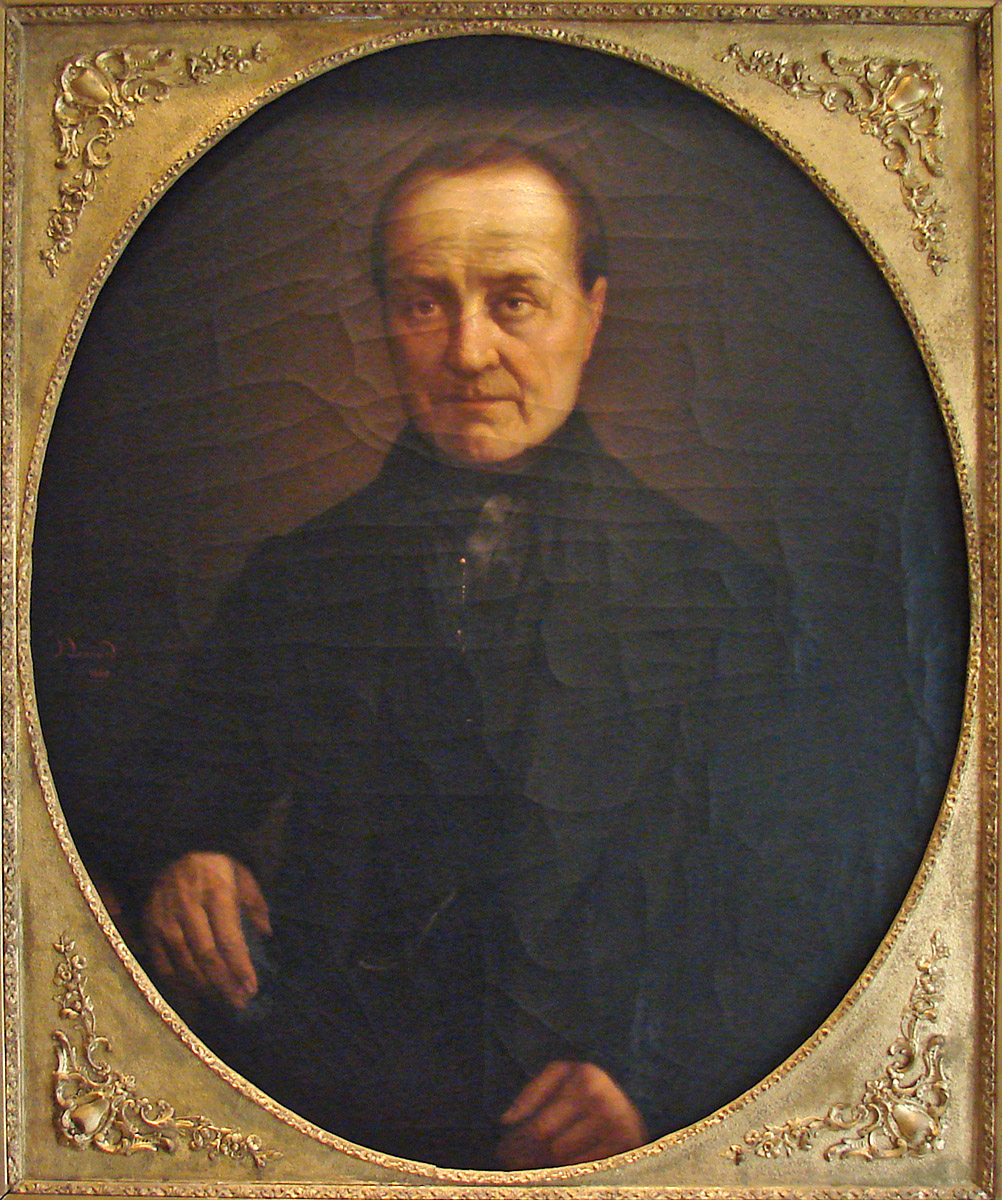
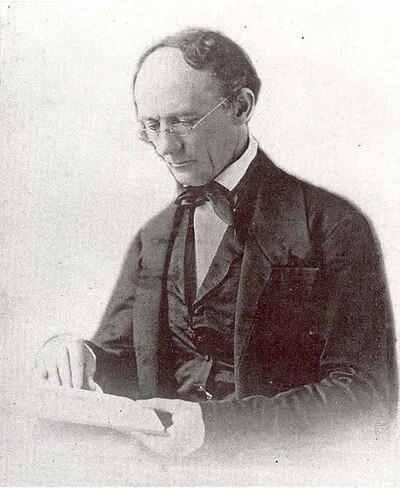
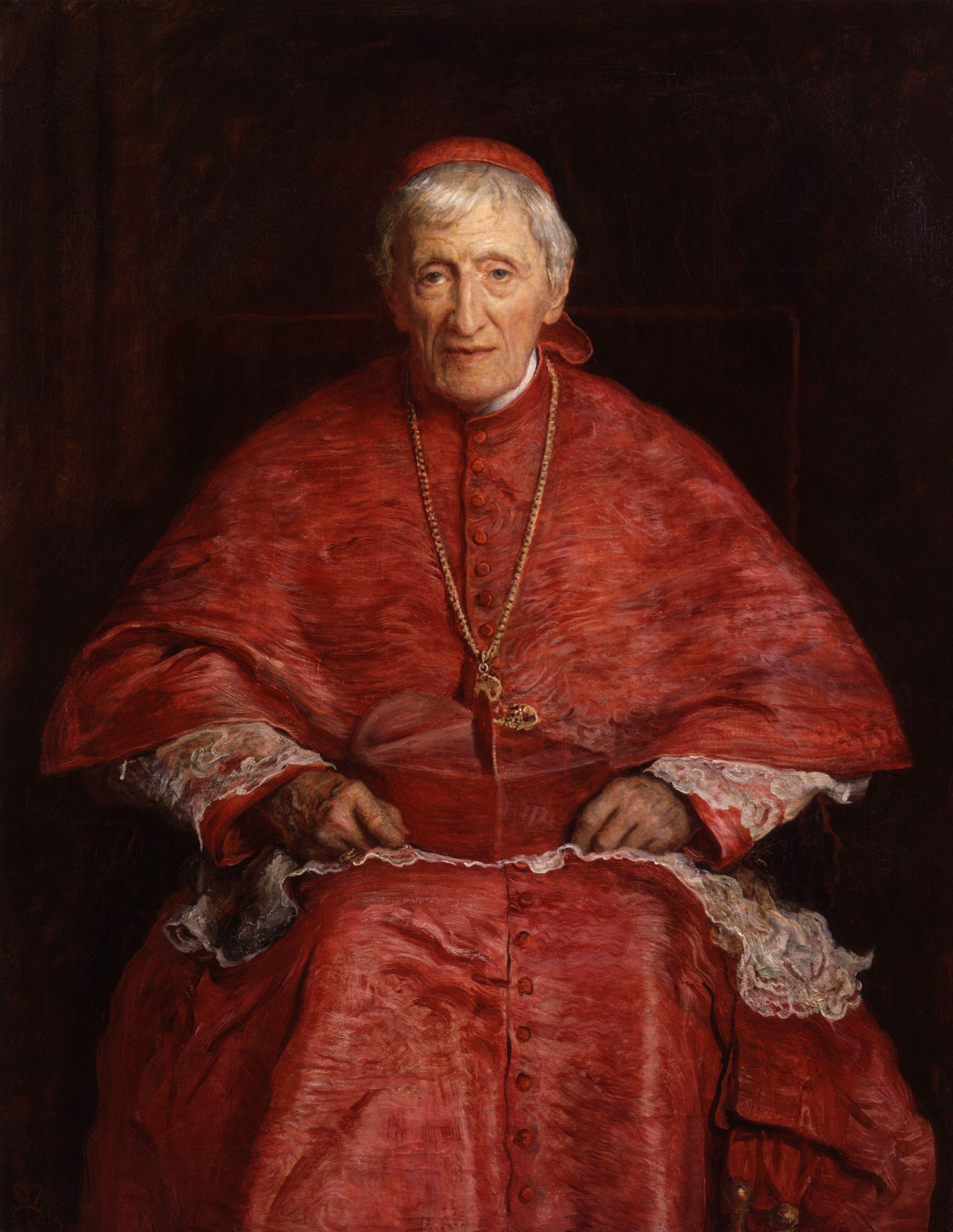

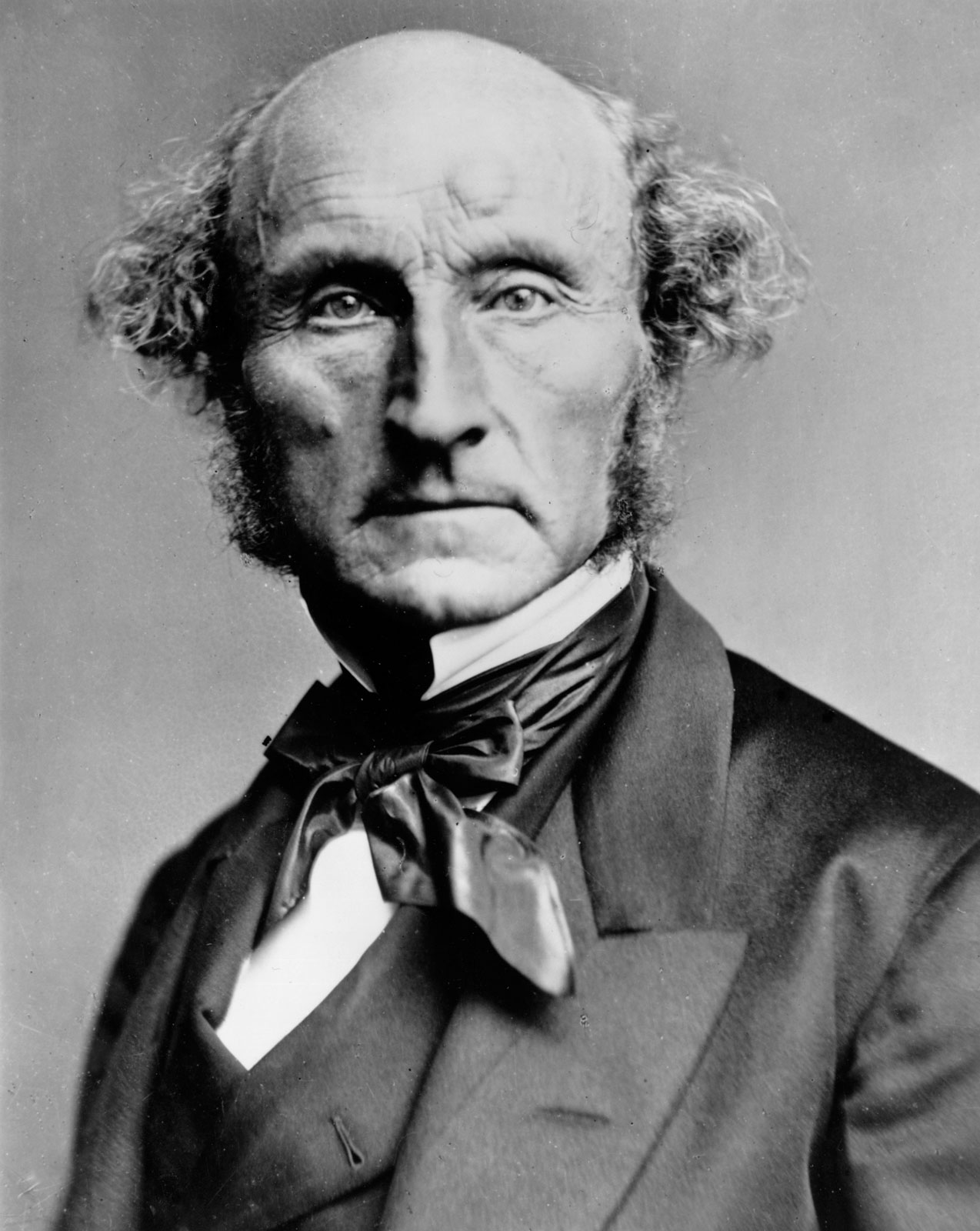
Link to this page
Add a free, dofollow link to Lex on your blog, forum, syllabus, or reading list.

<a href="https://lex-books.com/author/friedrich-von-schlegel"><img src="https://lex-books.com/badges/read-on-lex.svg" alt="Friedrich von Schlegel on Lex" width="160" height="40"></a>[](https://lex-books.com/author/friedrich-von-schlegel)[url=https://lex-books.com/author/friedrich-von-schlegel][img]https://lex-books.com/badges/read-on-lex.svg[/img][/url]Friedrich von Schlegel on Lex: https://lex-books.com/author/friedrich-von-schlegel