
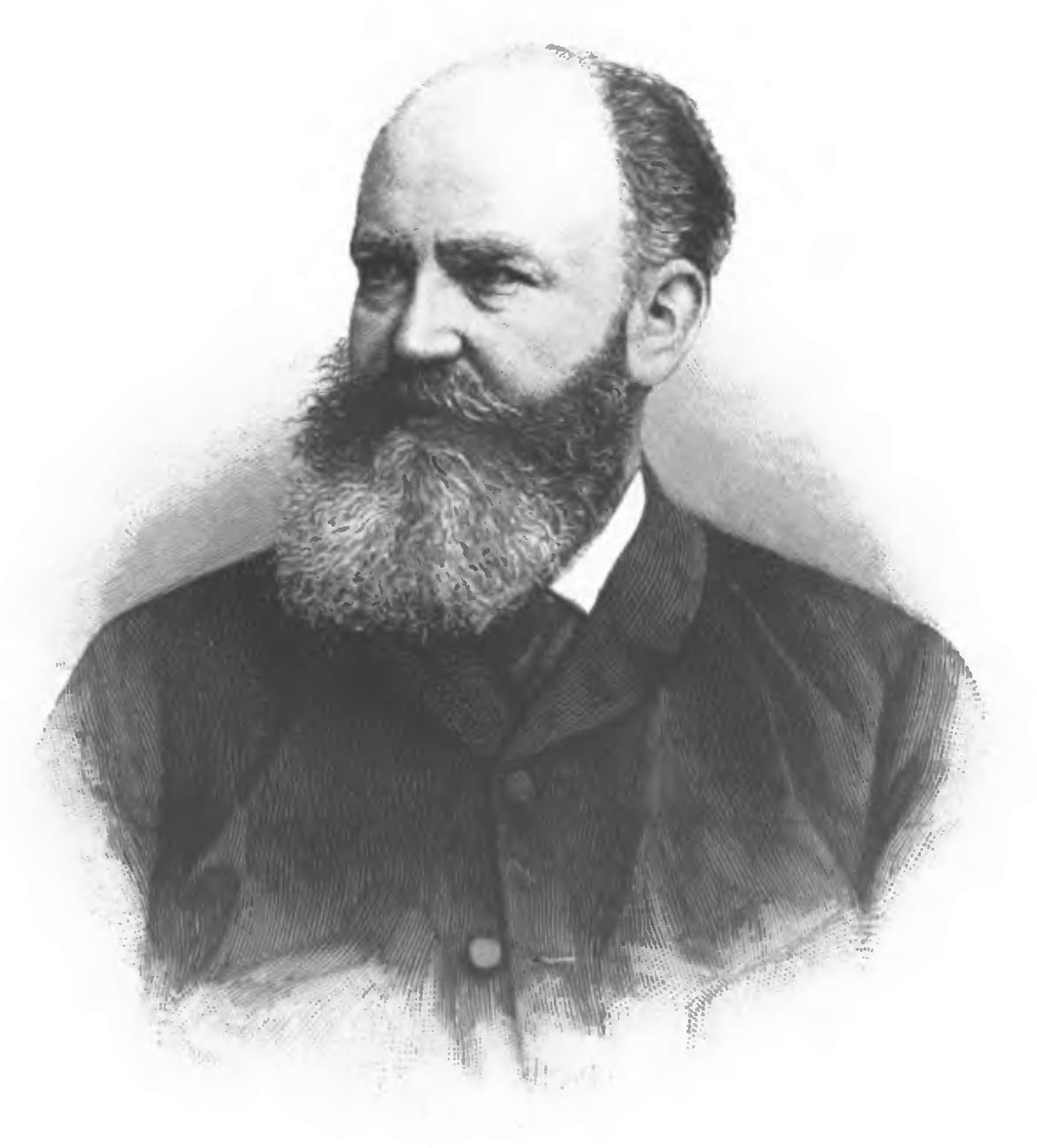
Friedrich August Theodor Winnecke
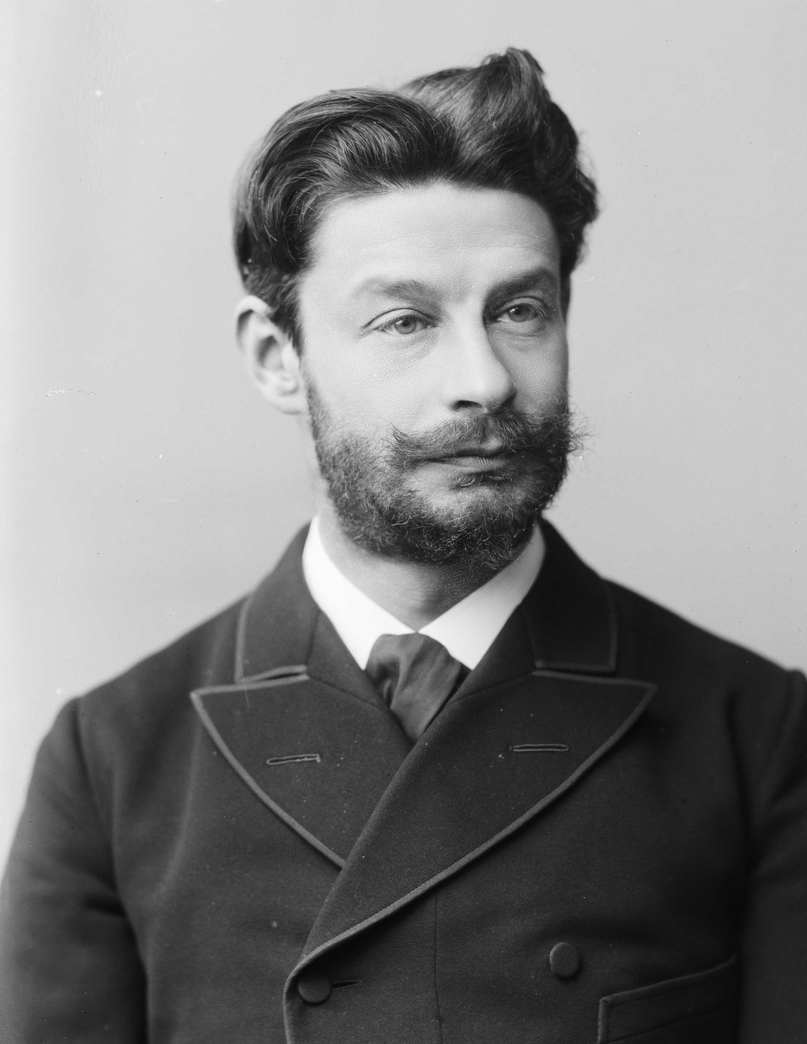
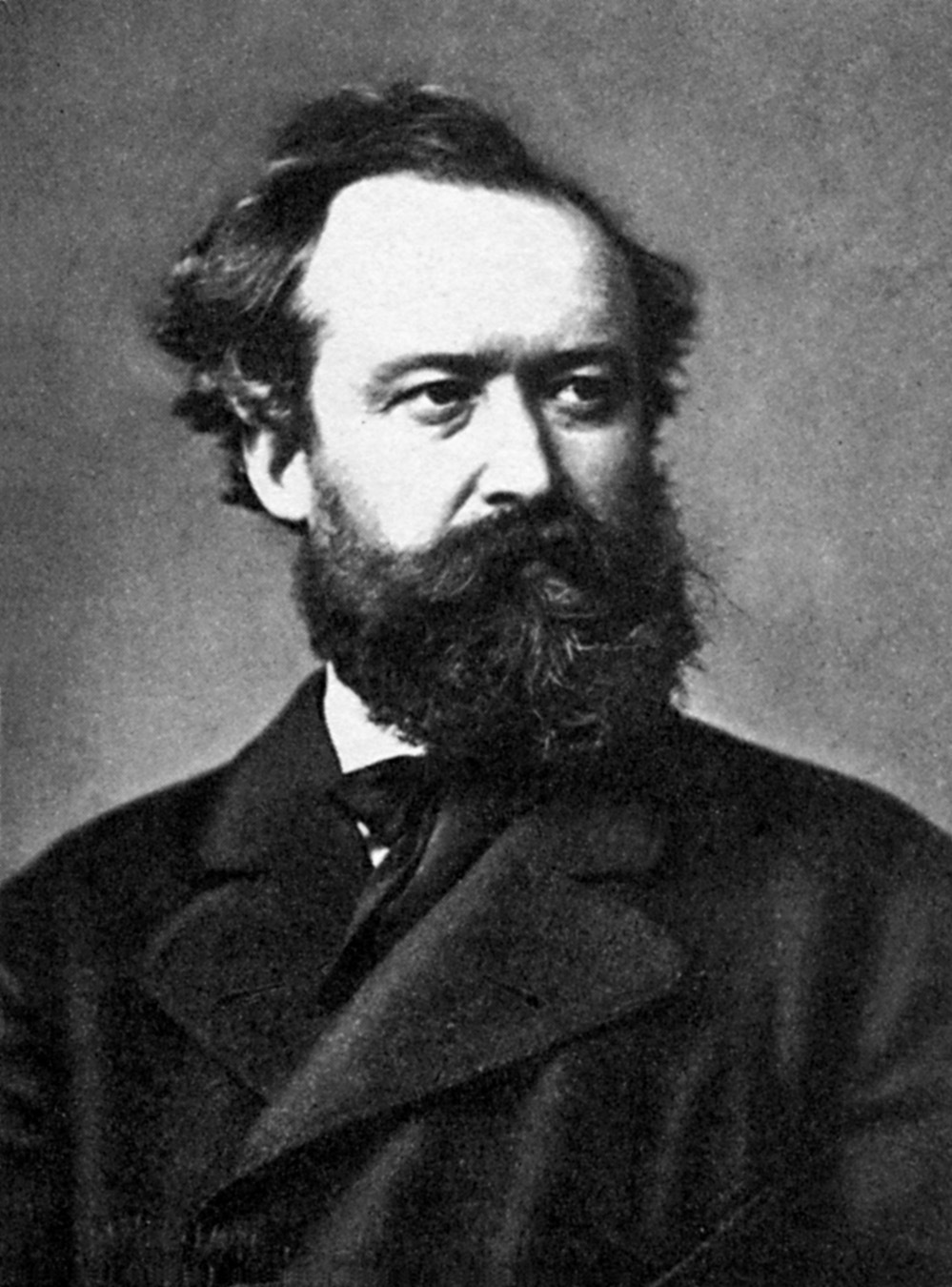
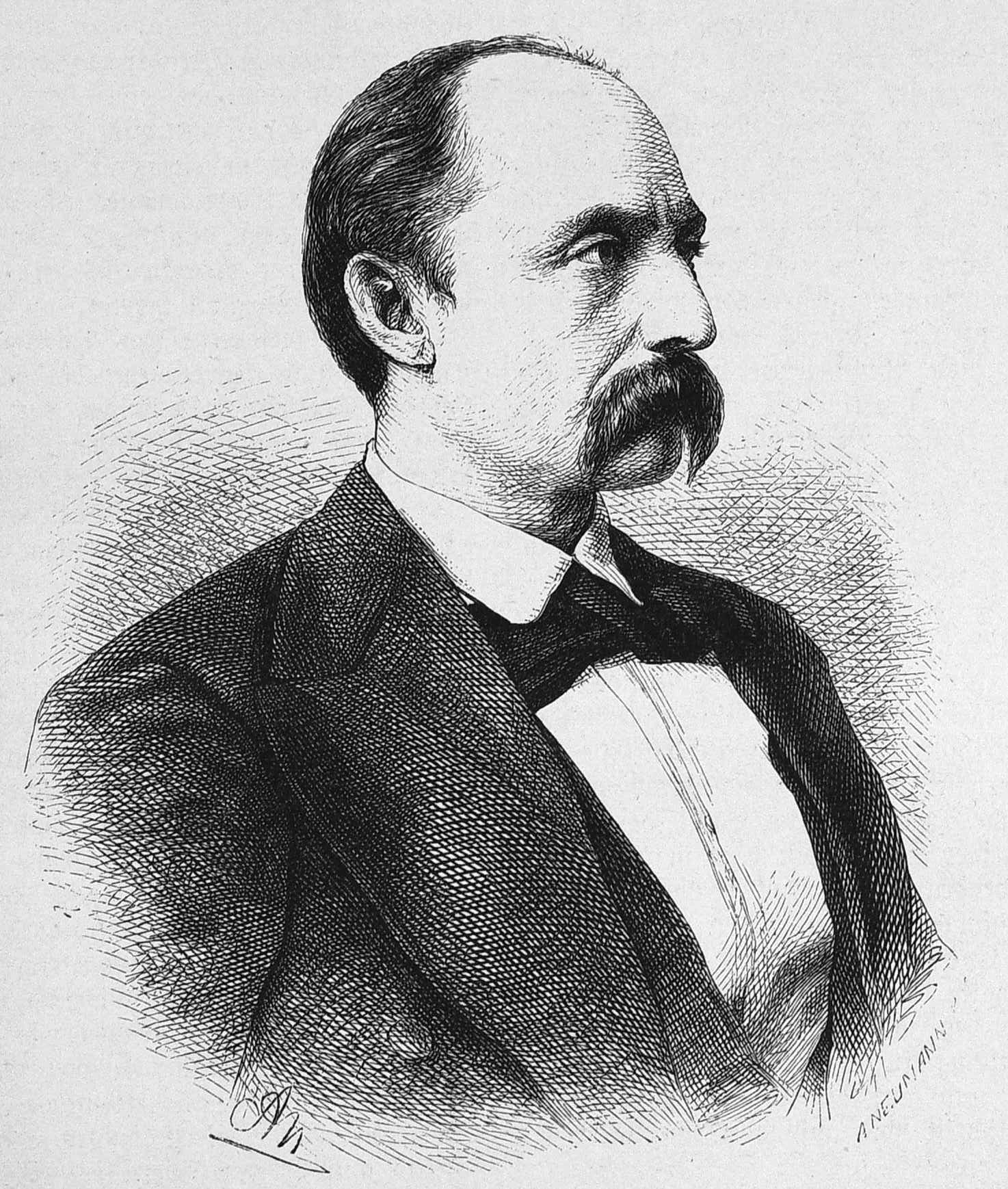
Friedrich August Theodor Winnecke was a prominent German astronomer known for his significant contributions to comet discovery during the 19th century. Born in Groß-Heere near Hannover, he began his career at the Pulkovo Observatory in Russia, where he worked from 1858 to 1865. His time there was marked by a series of important discoveries, including the periodic comet 7P/Pons-Winnecke, which remains notable for its predictable return to the inner solar system. Winnecke's expertise in celestial mechanics also led to the co-discovery of the comet later known as 27P/Crommelin, highlighting his collaborative spirit in the scientific community. After returning to Germany, Winnecke served as a professor of astronomy at the University of Strasbourg from 1872 to 1881, where he influenced a generation of students and contributed to the advancement of astronomical knowledge. His work not only expanded the catalog of known comets but also laid the groundwork for future research in the field. Winnecke's legacy endures through the comets he discovered and the impact he had on both observational astronomy and education in Germany.
Books from the author


Link to this page
Add a free, dofollow link to Lex on your blog, forum, syllabus, or reading list.

<a href="https://lex-books.com/author/friedrich-august-theodor-winnecke"><img src="https://lex-books.com/badges/read-on-lex.svg" alt="Friedrich August Theodor Winnecke on Lex" width="160" height="40"></a>[](https://lex-books.com/author/friedrich-august-theodor-winnecke)[url=https://lex-books.com/author/friedrich-august-theodor-winnecke][img]https://lex-books.com/badges/read-on-lex.svg[/img][/url]Friedrich August Theodor Winnecke on Lex: https://lex-books.com/author/friedrich-august-theodor-winnecke