Frederick Young
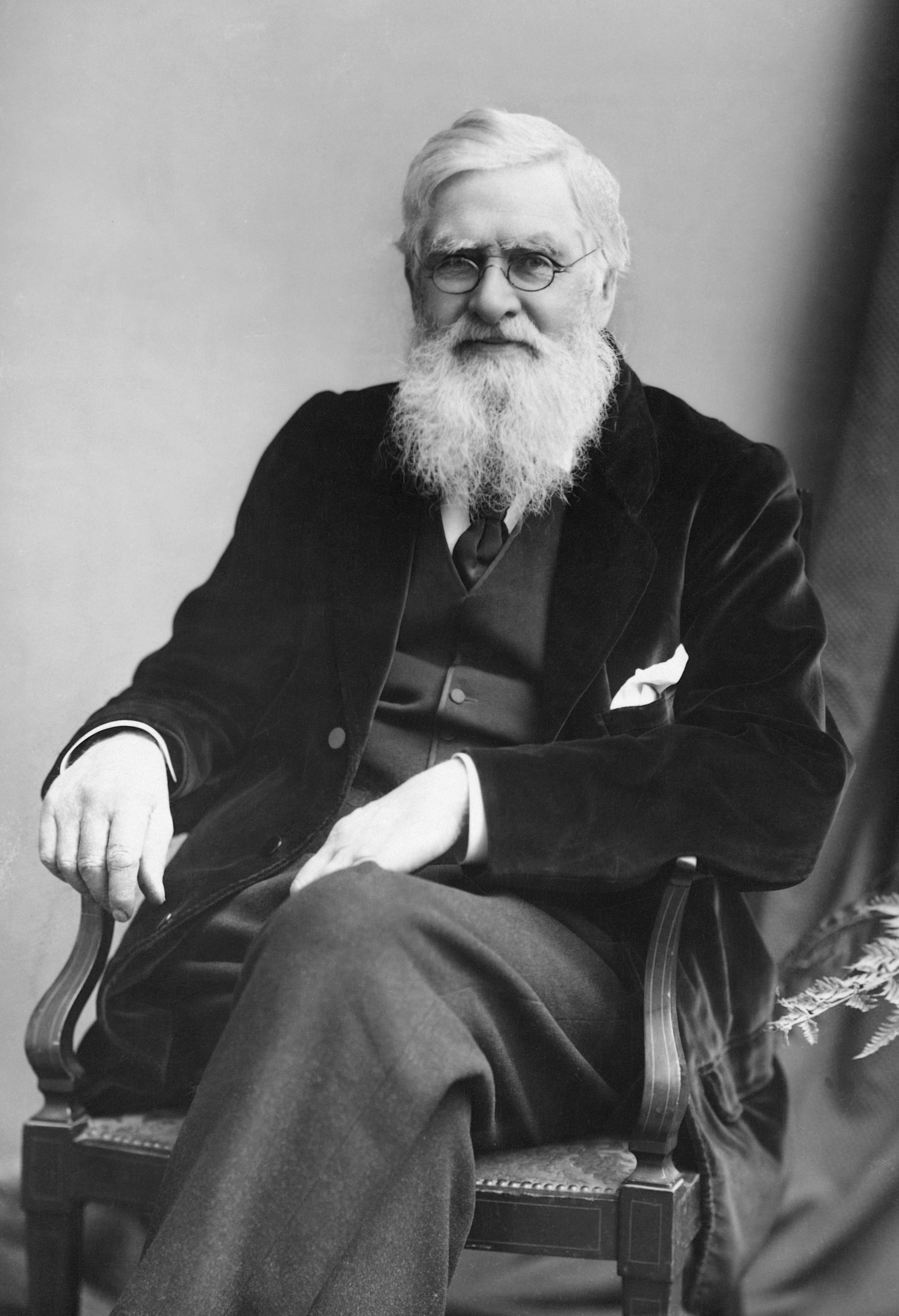
Frederick Young was a British author and travel writer known for his explorations and insights into colonial life during the 19th century. His notable works include 'A Winter Tour in South Africa,' which chronicles his travels and observations in the region, providing a vivid account of the landscapes, cultures, and social dynamics of South Africa during a time of significant change and colonial expansion. Young's writing is characterized by a keen eye for detail and a reflective approach to the complexities of imperialism. In addition to his travel narratives, Young contributed to the discourse on colonial governance and unity through his work 'A Pioneer of Imperial Federation in Canada.' This book discusses the concept of imperial federation and its implications for the British Empire, particularly in relation to Canada. Young's advocacy for a more unified approach to governance within the empire reflects the broader debates of his time regarding colonial identity and administration. His works are significant for their contributions to the understanding of colonial experiences and the evolving nature of the British Empire, as well as for their literary merit in capturing the spirit of exploration and the challenges of imperialism.
Famous Quotes
View all 16 quotes“She forks up a little nibble and wedges it in her mouth. "Yum," she croaks.Mrs. Wong looks pleased. "It's made with tofu."I can't resist. "Free-range tofu?"My mother looks over at me sharply. Mrs. Wong takes the bait. "Now, Cassidy, tofu isn't an animal," she chides. "It's soy bean curd. Soy bean curd doesn't need to roam free."On the floor below me, Emma lets out a little snort. I nudge her again with my foot. We're both grinning at the thought of a corral somewhere with little cubes of tofu wandering around. "Home, home on the range," I sing to her under my breath. "Where the deer and the tofu roam free...””
“Black children have to lose their innocence before white children do. They can't afford the luxury of just reading about the impact of racism and white supremacy in a book, because they're living it every day. Because oftentimes it means life or death.””
“From the essay on Love, in which he describes as a wilderness experience his daily visits with his wife to a hospital 3,000 miles from home in a strange city, where someone he loves is in danger of dying. “When the worst finally happens, or almost happens, a kind of peace comes. I had passed beyond grief, beyond terror, all but beyond hope, and it was thee, in that wilderness, that for the first time in my life I caught sight of something of what it must be like to love God truly. It was only a glimpse, but it was like stumbling on fresh water in the desert, like remembering something so huge and extraordinary that my memory had been unable to contain it. Though God was nowhere to be clearly seen, nowhere to be clearly heard, I had to be near him”
Books from the author

Link to this page
Add a free, dofollow link to Lex on your blog, forum, syllabus, or reading list.

<a href="https://lex-books.com/author/frederick-young"><img src="https://lex-books.com/badges/read-on-lex.svg" alt="Frederick Young on Lex" width="160" height="40"></a>[](https://lex-books.com/author/frederick-young)[url=https://lex-books.com/author/frederick-young][img]https://lex-books.com/badges/read-on-lex.svg[/img][/url]Frederick Young on Lex: https://lex-books.com/author/frederick-young