
François Guizot
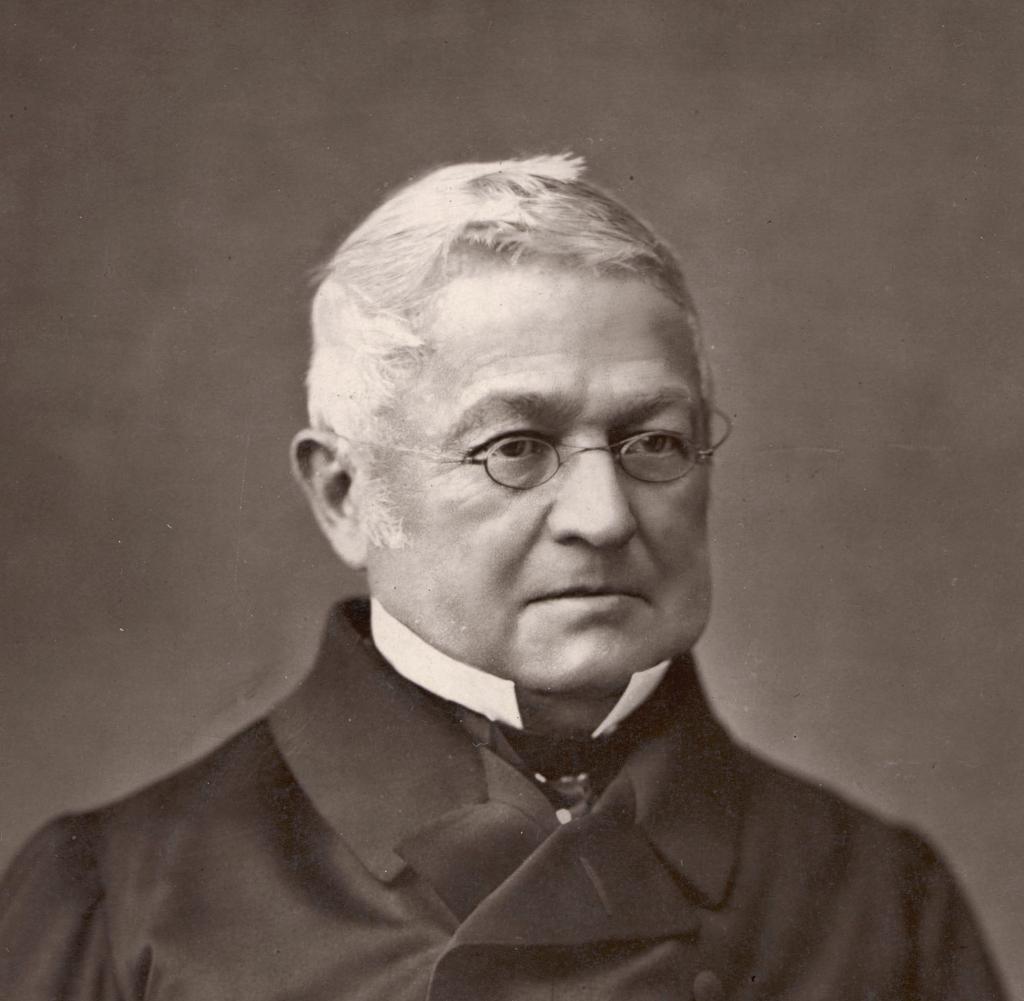
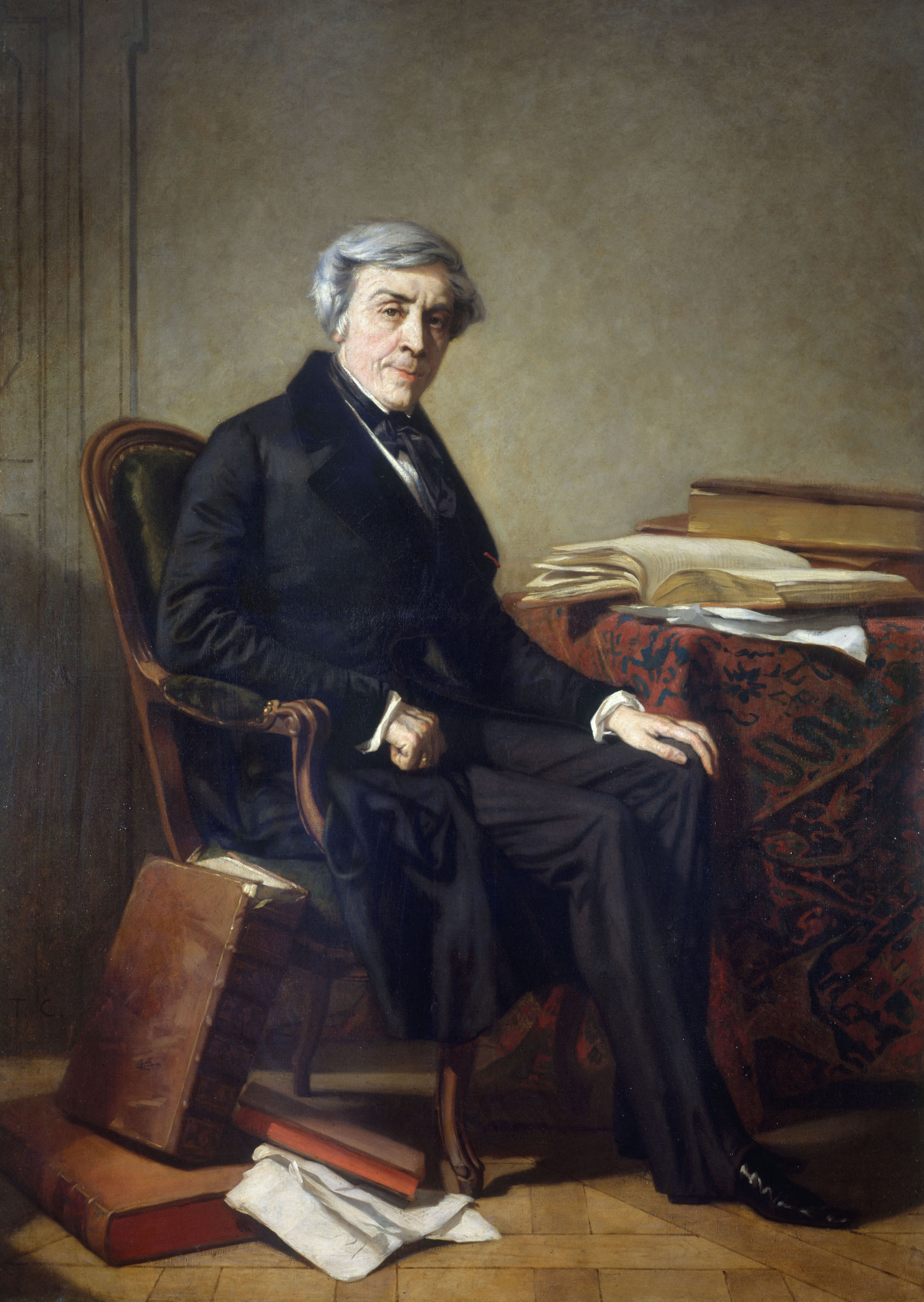
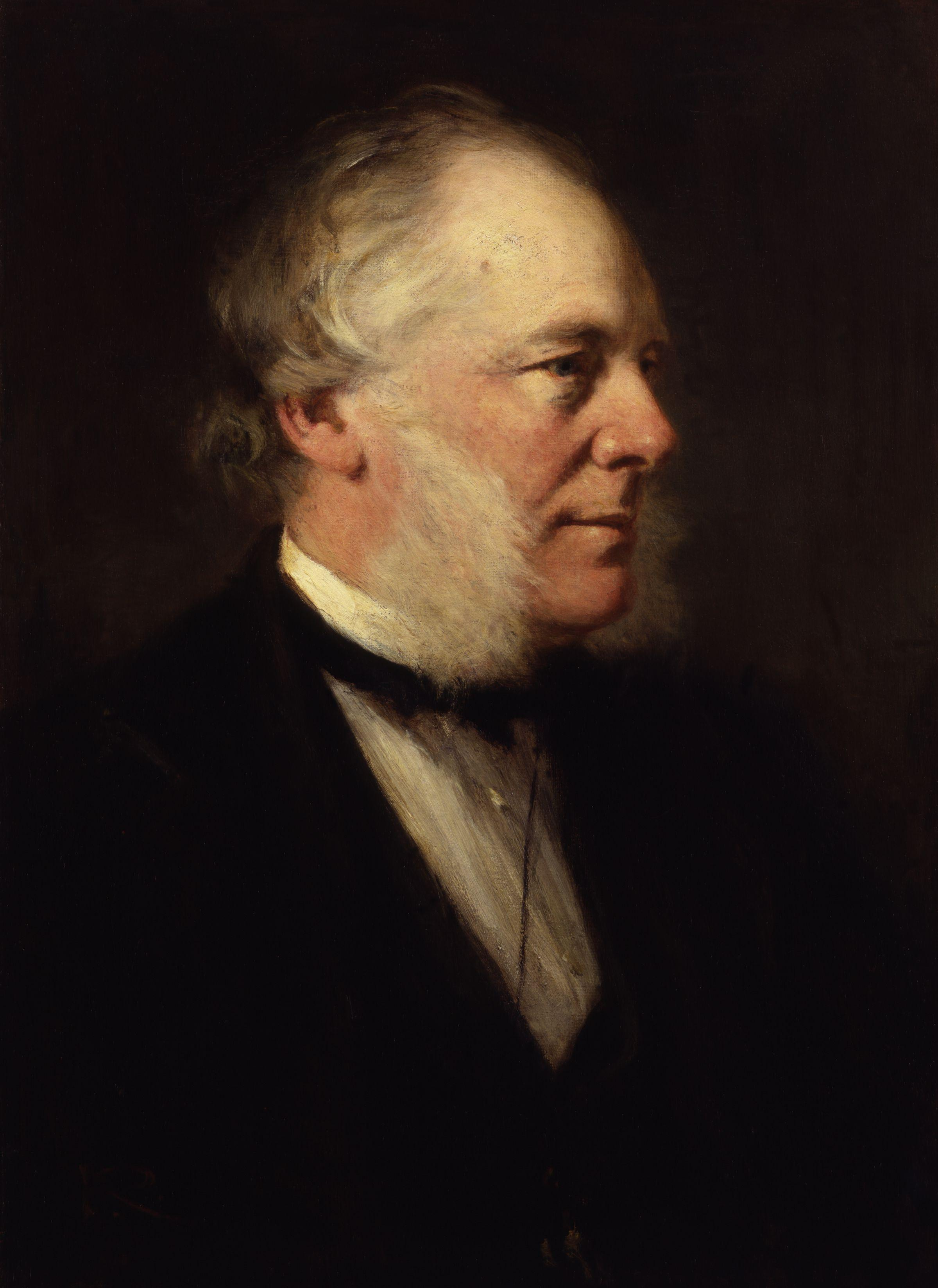
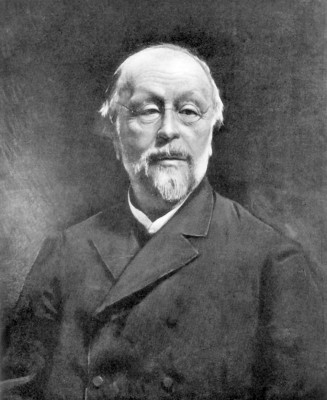
François Guizot was a prominent French historian, politician, and philosopher, whose intellectual contributions significantly shaped the understanding of the French Revolution and the development of modern political thought. Born in 1787, he was educated at the University of Paris, where he developed a keen interest in history and philosophy. Guizot's political career was marked by his role as a minister under King Louis-Philippe, where he advocated for constitutional monarchy and liberal policies. His political beliefs were deeply intertwined with his historical writings, which sought to analyze the evolution of French society and governance. Among his notable works, 'Histoire de la Révolution française' stands out as a comprehensive examination of the French Revolution, emphasizing the importance of historical context in understanding political change. Guizot's writings also include 'De la démocratie en France,' where he explored the implications of democracy on French society. His scholarly approach combined rigorous historical analysis with a belief in the moral and educational role of history, influencing generations of historians and political thinkers. Guizot's legacy endures not only in his historical works but also in his contributions to liberal thought and the shaping of modern France, making him a key figure in 19th-century intellectual history.
Famous Quotes
View all 5 quotes“Not to be a republican at twenty is proof of want of heart; to be one at thirty is proof of want of head.””
“Democracy is a cry of war; it is the flag of the party of numbers placed below raised against those above. A flag sometimes raised in the name of the rights of men, but sometimes in the name of crude passions; sometimes raised against the most iniquitous usurpations but also sometimes against legitimate superiority.””
“Charlemagne was, indeed, a conqueror and a despot; but by his conquests and his personal power he, so long as he was by, that is, for six and forty years, saved Gallo-Frankish society from barbaric invasion without and anarchy within. That is the characteristic of his government and his title to glory.””
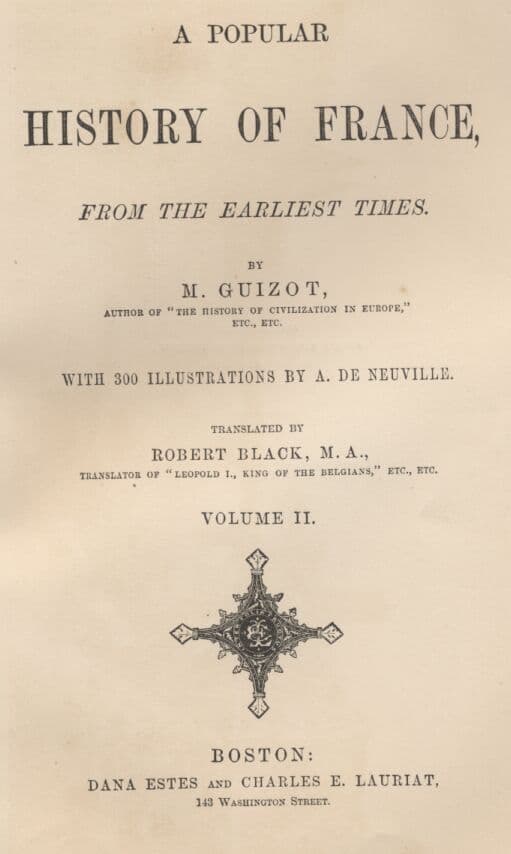
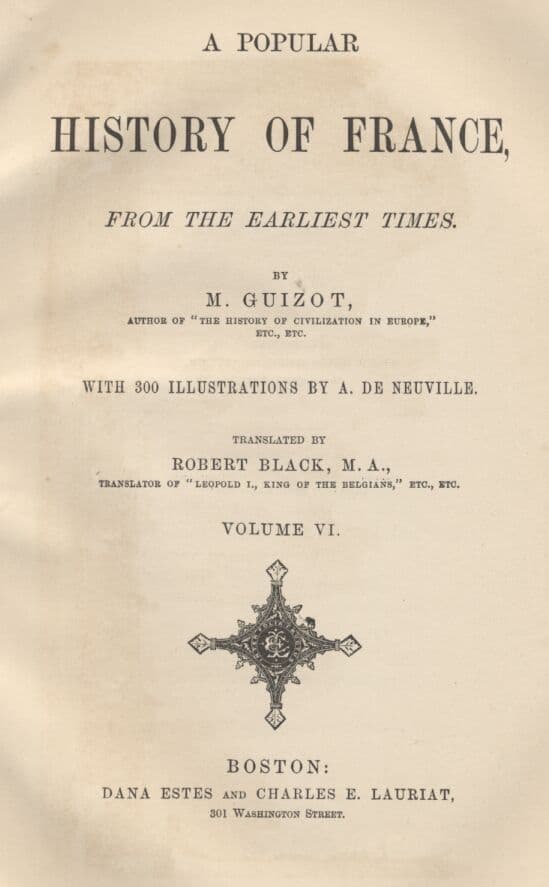
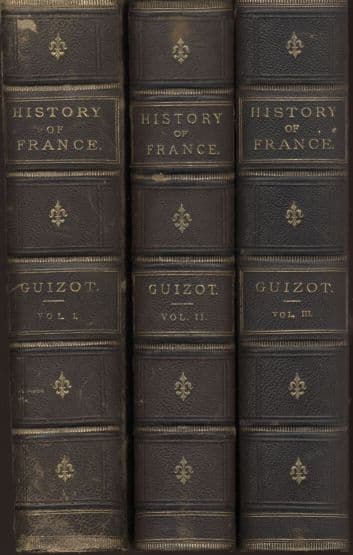
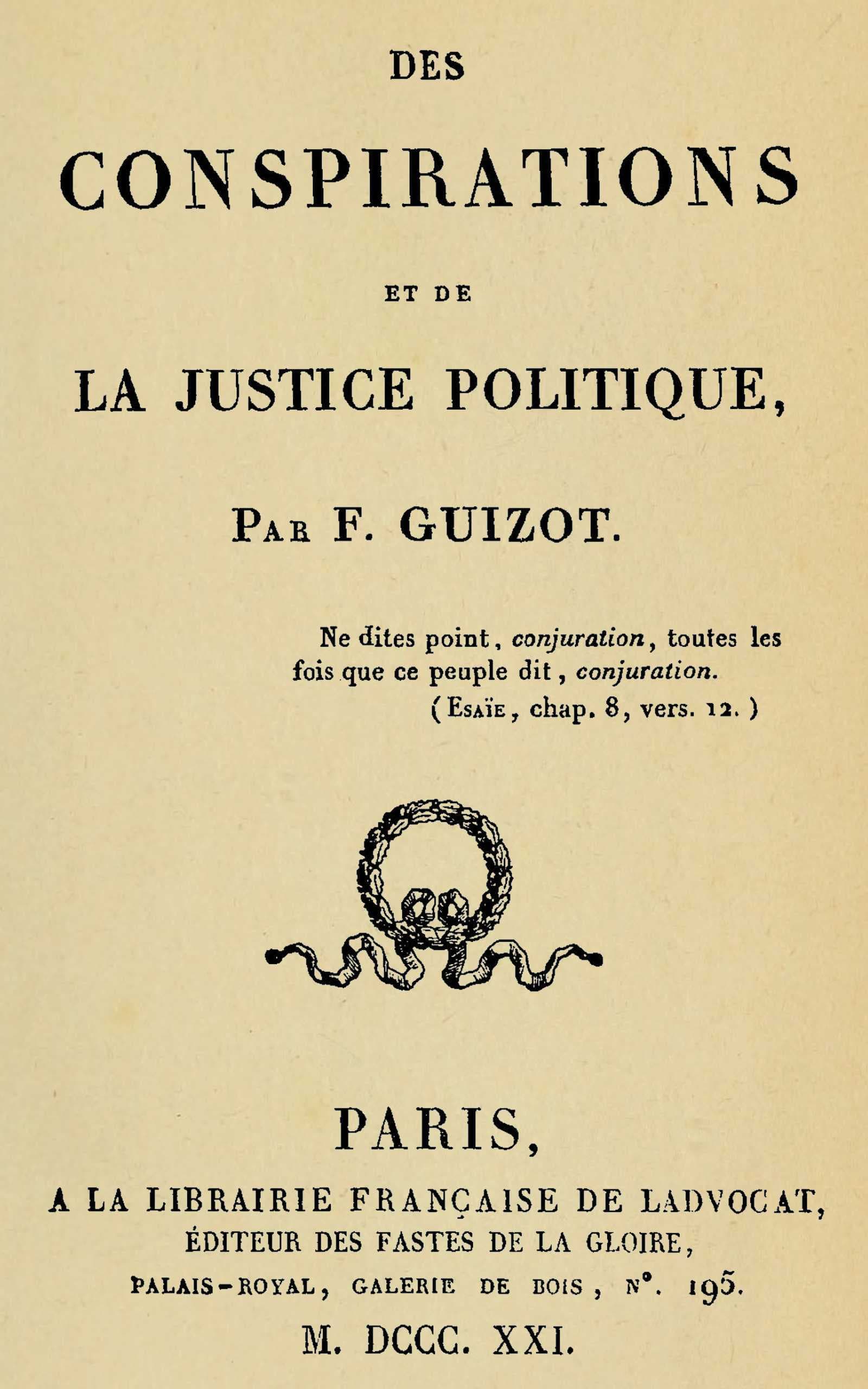
Books from the author






Link to this page
Add a free, dofollow link to Lex on your blog, forum, syllabus, or reading list.

<a href="https://lex-books.com/author/françois-guizot"><img src="https://lex-books.com/badges/read-on-lex.svg" alt="François Guizot on Lex" width="160" height="40"></a>[](https://lex-books.com/author/françois-guizot)[url=https://lex-books.com/author/françois-guizot][img]https://lex-books.com/badges/read-on-lex.svg[/img][/url]François Guizot on Lex: https://lex-books.com/author/françois-guizot