
Evelyn Underhill
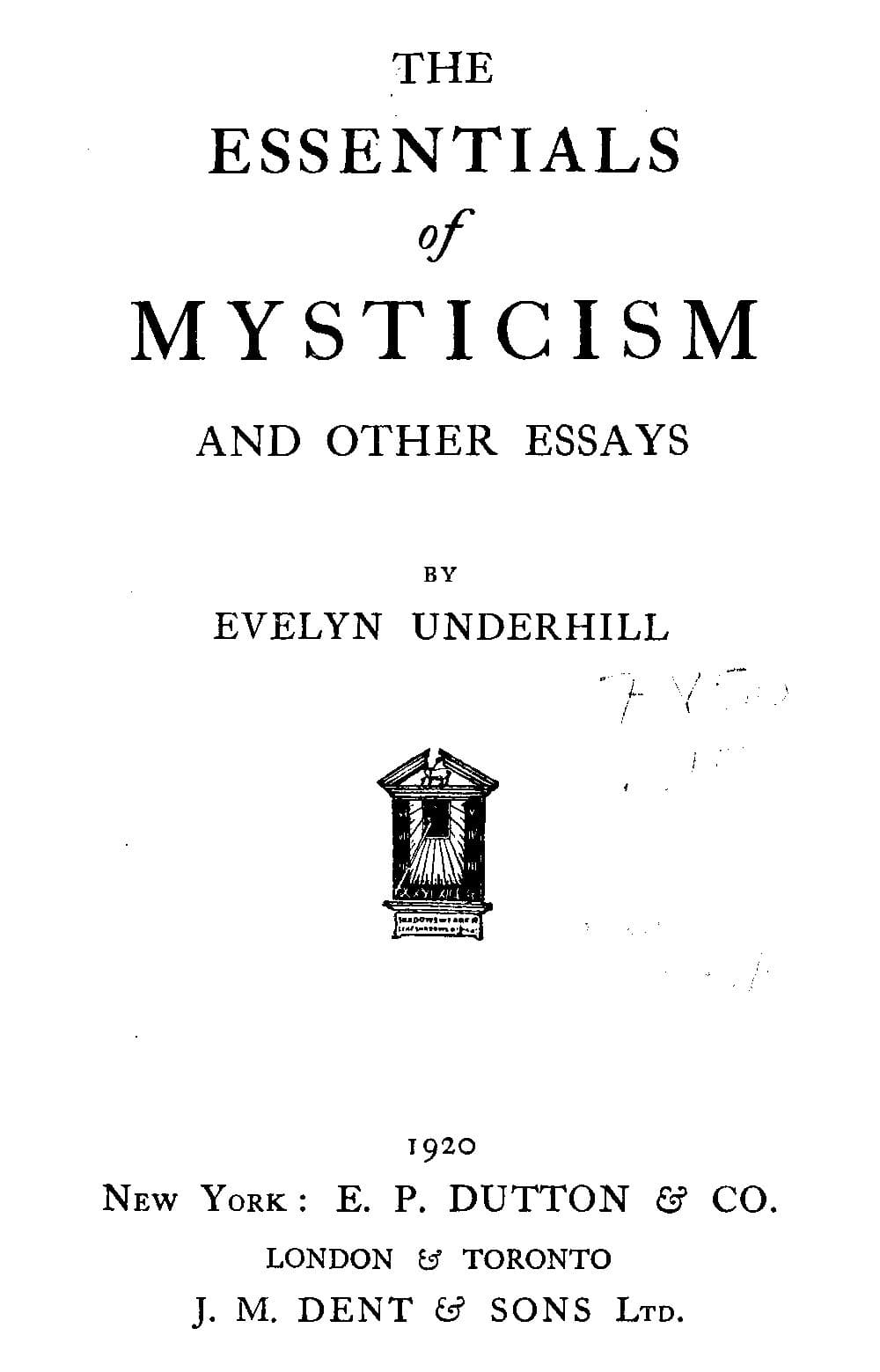
Evelyn Underhill was an influential English writer and pacifist, renowned for her extensive contributions to the fields of religion and spirituality. Born into a well-to-do family, she developed a deep interest in Christian mysticism, which became the cornerstone of her literary career. Underhill's most celebrated work, "Mysticism," published in 1911, provided a comprehensive exploration of the mystical experience within the Christian tradition, blending scholarly research with personal insight. This seminal text not only established her as a leading authority on the subject but also sparked interest in the broader implications of mysticism for spiritual practice. Throughout her life, Underhill wrote numerous essays, books, and lectures that delved into the nature of spirituality, the role of prayer, and the significance of the mystical path. Her works, including "The Essentials of Mysticism" and "The Spiritual Life," emphasized the importance of personal experience and inner transformation in the pursuit of faith. As a prominent figure in the Anglo-Catholic movement, she advocated for a deeper understanding of the spiritual life, influencing both religious thought and the practice of spirituality in the 20th century. Underhill's legacy endures through her writings, which continue to inspire those seeking a deeper connection with the divine.
Famous Quotes
View all 3 quotes“If God were small enough to be understood, He would not be big enough to be worshipped.”
“On every level of life, from housework to heights of prayer, in all judgment and efforts to get things done, hurry and impatience are sure marks of the amateur.”
“In mysticism that love of truth which we saw as the beginning of all philosophy leaves the merely intellectual sphere, and takes on the assured aspect of a personal passion. Where the philosopher guesses and argues, the mystic lives and looks; and speaks, consequently, the disconcerting language of first-hand experience, not the neat dialectic of the schools. Hence whilst the Absolute of the metaphysicians remains a diagram —impersonal and unattainable—the Absolute of the mystics is lovable, attainable, alive.”
Books from the author




Link to this page
Add a free, dofollow link to Lex on your blog, forum, syllabus, or reading list.

<a href="https://lex-books.com/author/evelyn-underhill"><img src="https://lex-books.com/badges/read-on-lex.svg" alt="Evelyn Underhill on Lex" width="160" height="40"></a>[](https://lex-books.com/author/evelyn-underhill)[url=https://lex-books.com/author/evelyn-underhill][img]https://lex-books.com/badges/read-on-lex.svg[/img][/url]Evelyn Underhill on Lex: https://lex-books.com/author/evelyn-underhill