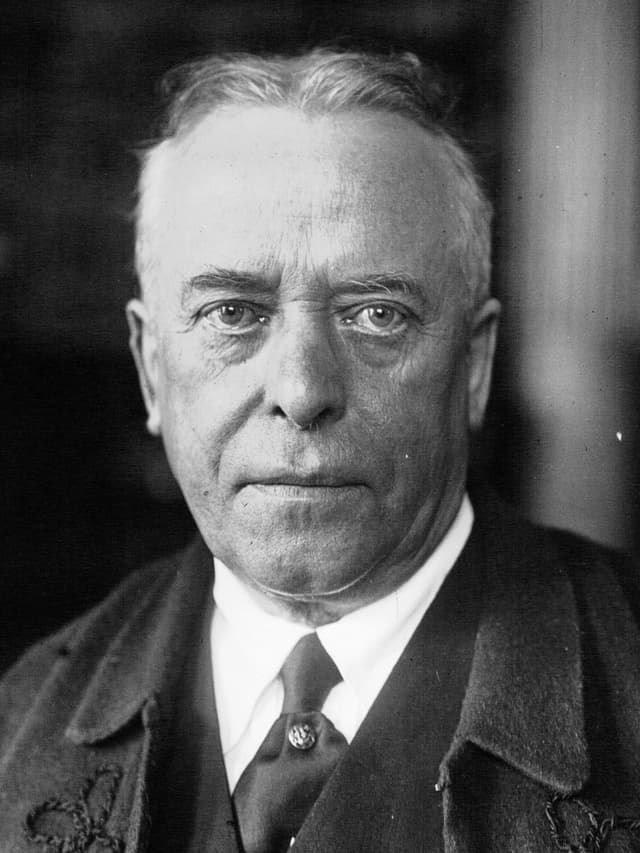
Eugène Brieux
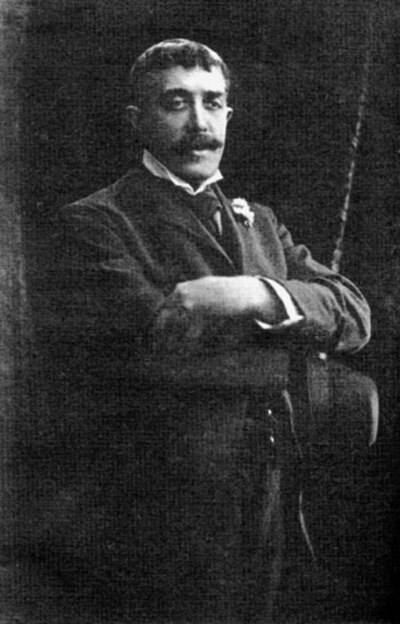
Eugène Brieux was a French playwright and novelist known for his socially conscious works that often tackled controversial issues of his time. Born in 1858, Brieux initially pursued a career in law before turning to literature, where he found his voice in the theater. His plays, such as 'Les Bienfaiteurs' and 'La Robe Rouge,' explored themes of morality, social justice, and the struggles of the individual against societal norms. Brieux's work was significant for its candid examination of topics such as women's rights, the impact of war, and the complexities of human relationships, which were often considered taboo in the conservative society of his era. Brieux gained recognition for his ability to blend dramatic storytelling with a strong moral message, earning him a place among the leading playwrights of the early 20th century. His most notable work, 'Damaged Goods' ('Les Avariés'), addressed the stigma surrounding venereal disease and the need for open discussion about sexual health, making it a groundbreaking piece in the realm of social drama. Through his plays, Brieux not only entertained but also provoked thought and discussion, influencing both his contemporaries and future generations of playwrights. His legacy endures as a pioneer of socially engaged theater, reflecting the struggles and aspirations of the human condition.
Books from the author




Link to this page
Add a free, dofollow link to Lex on your blog, forum, syllabus, or reading list.

<a href="https://lex-books.com/author/eugène-brieux"><img src="https://lex-books.com/badges/read-on-lex.svg" alt="Eugène Brieux on Lex" width="160" height="40"></a>[](https://lex-books.com/author/eugène-brieux)[url=https://lex-books.com/author/eugène-brieux][img]https://lex-books.com/badges/read-on-lex.svg[/img][/url]Eugène Brieux on Lex: https://lex-books.com/author/eugène-brieux