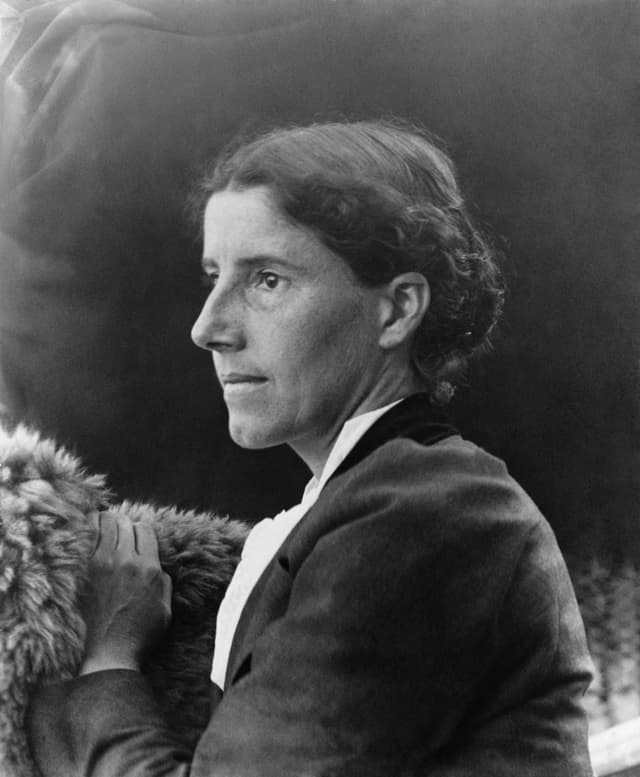
Charlotte Perkins Gilman
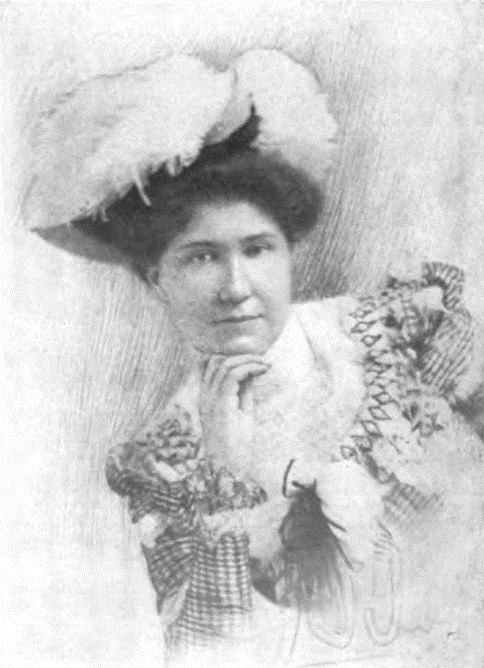
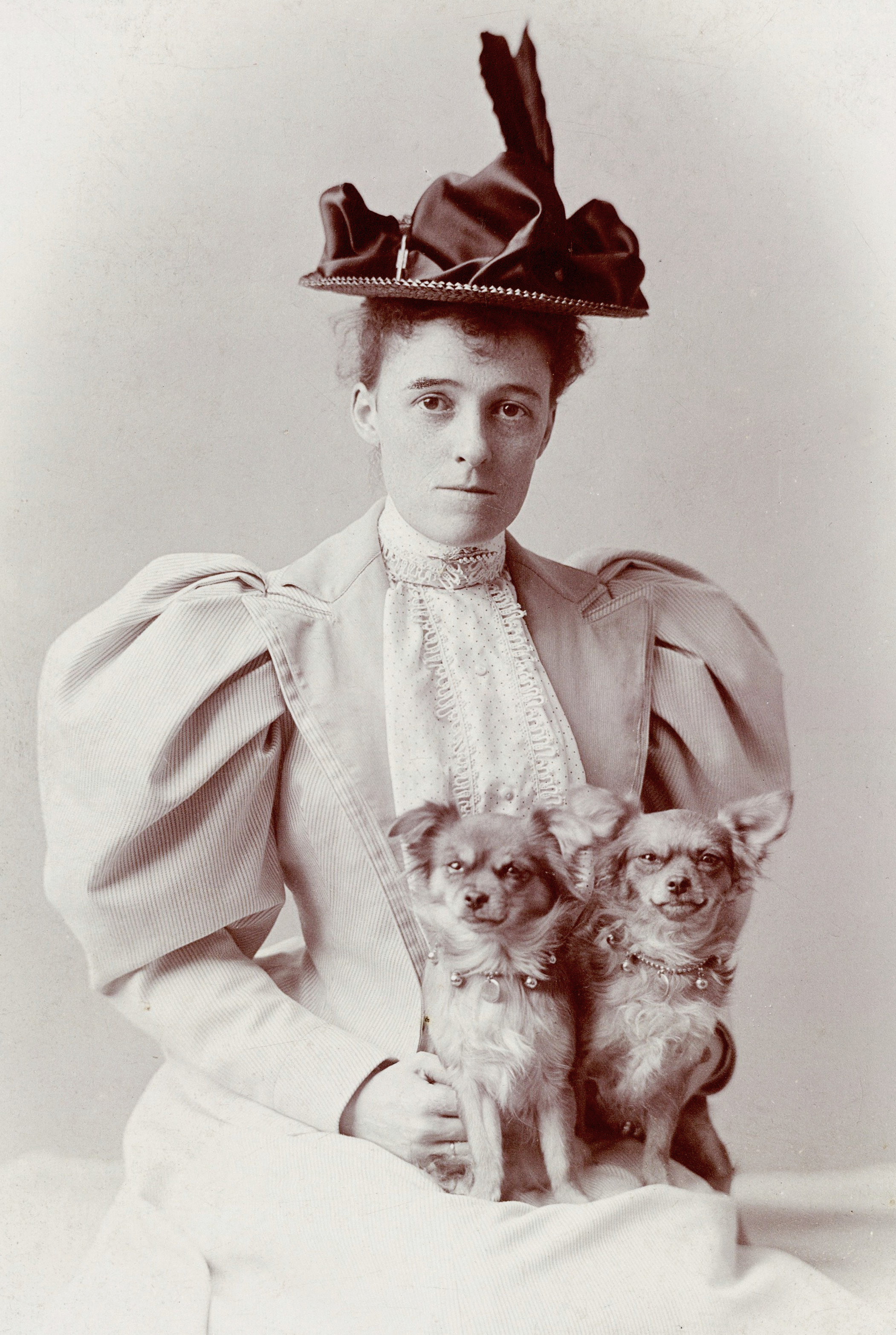
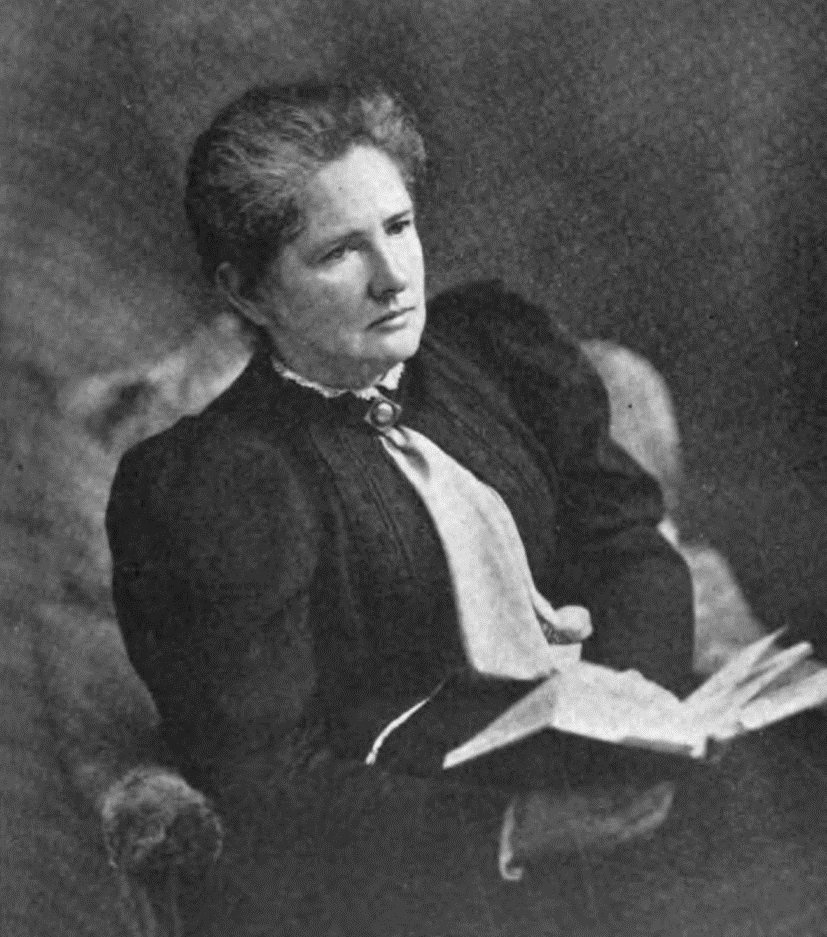
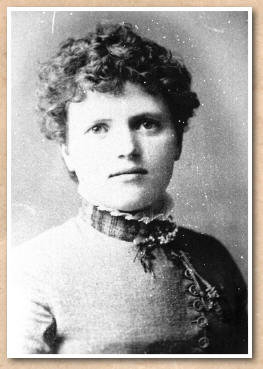
Charlotte Perkins Gilman was an influential American humanist, novelist, and social reform advocate whose work significantly impacted feminist thought. Born in 1860, she experienced a tumultuous early life that shaped her perspectives on gender and society. Her most renowned piece, the semi-autobiographical short story "The Yellow Wallpaper," emerged from her struggles with postpartum depression and critiques the oppressive structures faced by women. This work not only highlights the psychological effects of confinement but also serves as a powerful commentary on the societal expectations of women during her time. Throughout her career, Gilman wrote extensively on the themes of gender roles and the division of labor, advocating for women's independence and social reform. Her writings, including works like "Women and Economics" and "Herland," envisioned a future where women could thrive outside the constraints of traditional domesticity. Gilman's ideas were often controversial, challenging the status quo and influencing future generations of feminists. Her legacy endures, as she is celebrated for her contributions to feminist literature and her role in the early sociological movement, earning her a place in the National Women's Hall of Fame.
Famous Quotes
View all 20 quotes“It is the same woman, I know, for she is always creeping, and most women do not creep by daylight.””
“There is no female mind. The brain is not an organ of sex. As well speak of a female liver.””
“But I MUST say what I feel and think in some way”
Books from the author


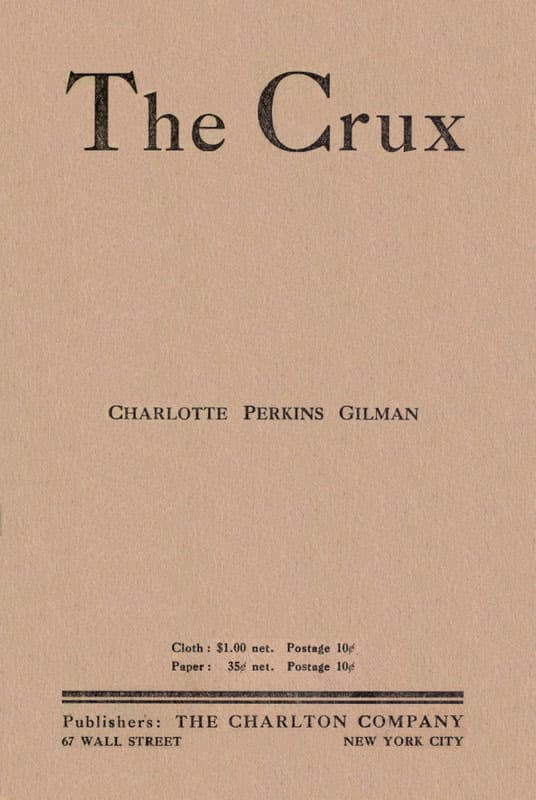
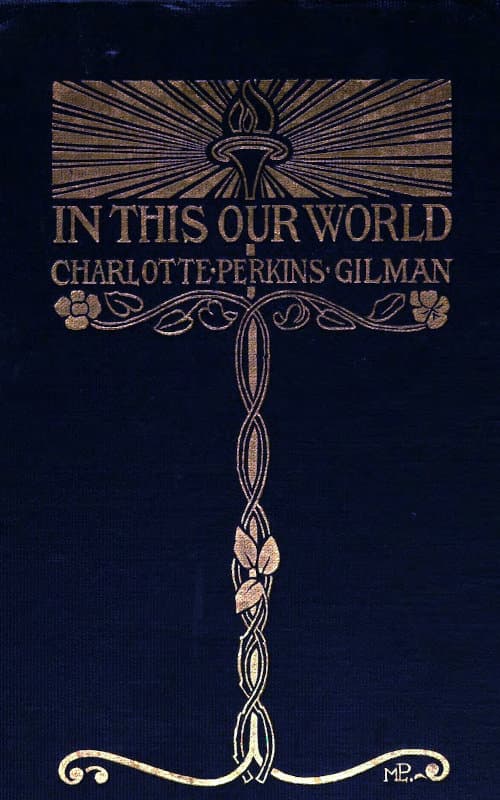
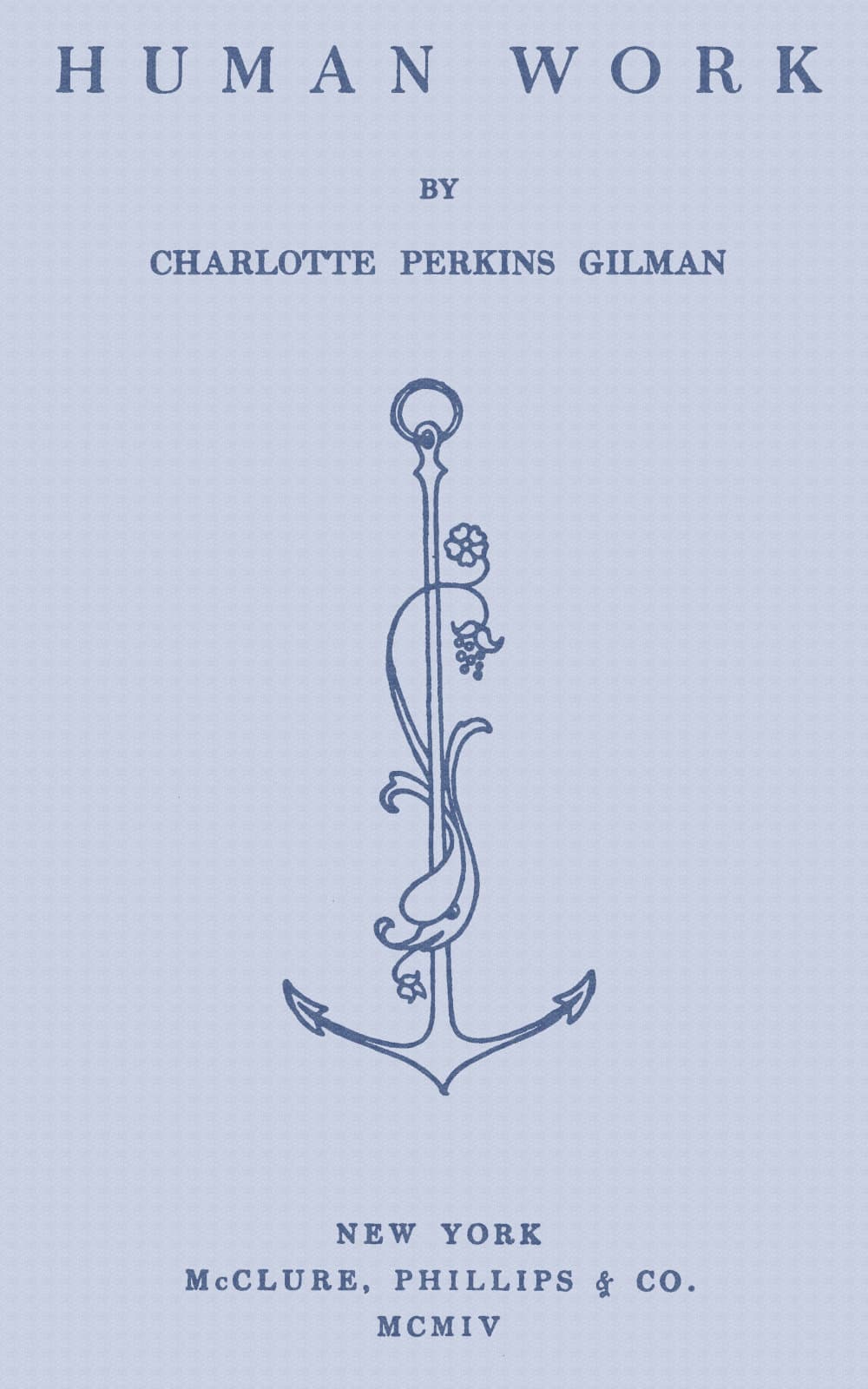




Link to this page
Add a free, dofollow link to Lex on your blog, forum, syllabus, or reading list.

<a href="https://lex-books.com/author/charlotte-perkins-gilman"><img src="https://lex-books.com/badges/read-on-lex.svg" alt="Charlotte Perkins Gilman on Lex" width="160" height="40"></a>[](https://lex-books.com/author/charlotte-perkins-gilman)[url=https://lex-books.com/author/charlotte-perkins-gilman][img]https://lex-books.com/badges/read-on-lex.svg[/img][/url]Charlotte Perkins Gilman on Lex: https://lex-books.com/author/charlotte-perkins-gilman