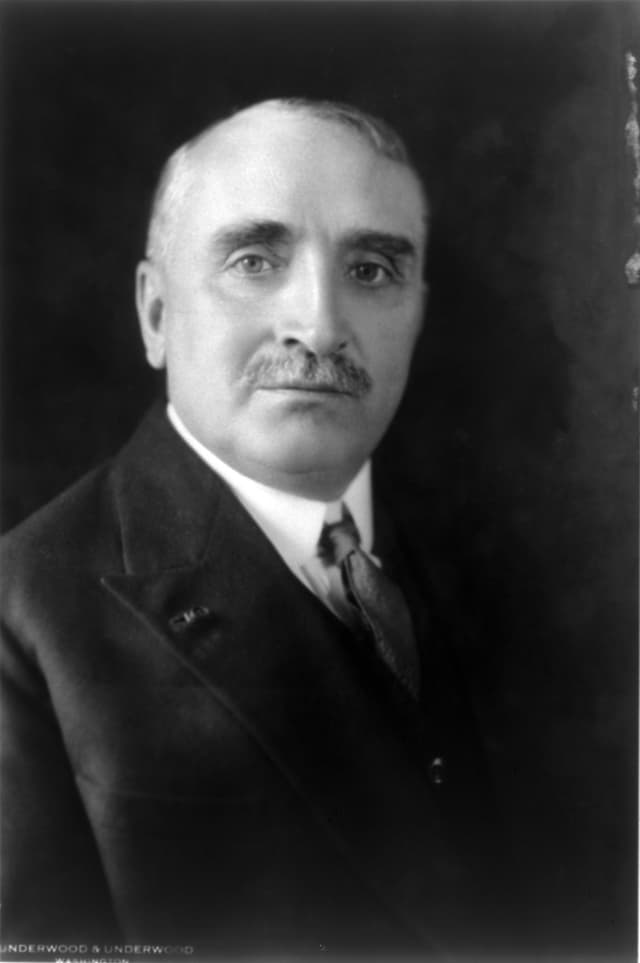
Paul Claudel
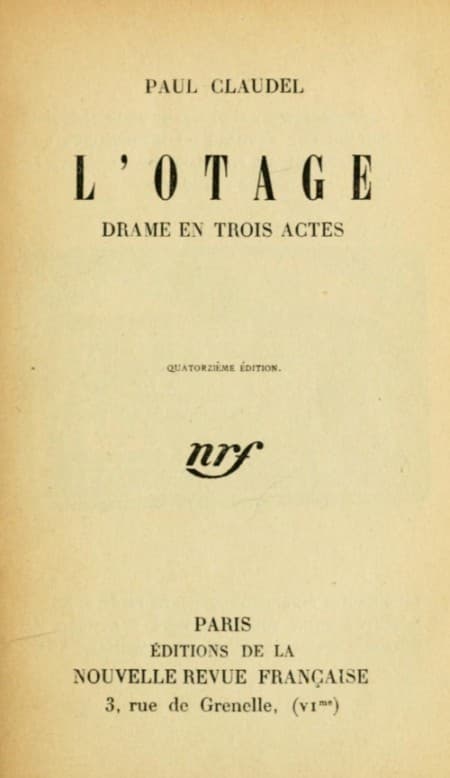
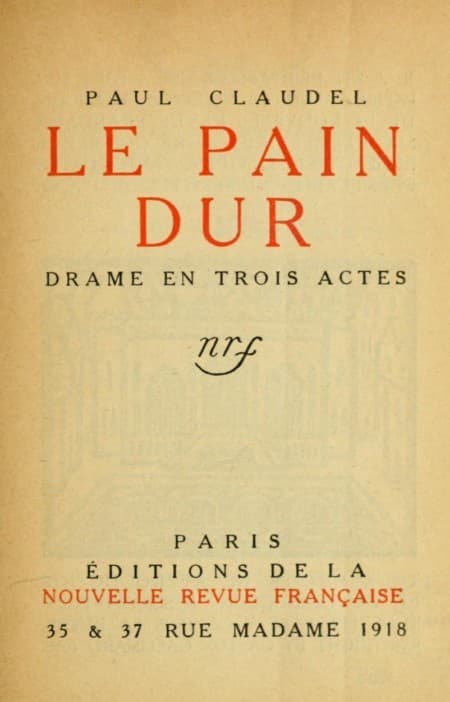
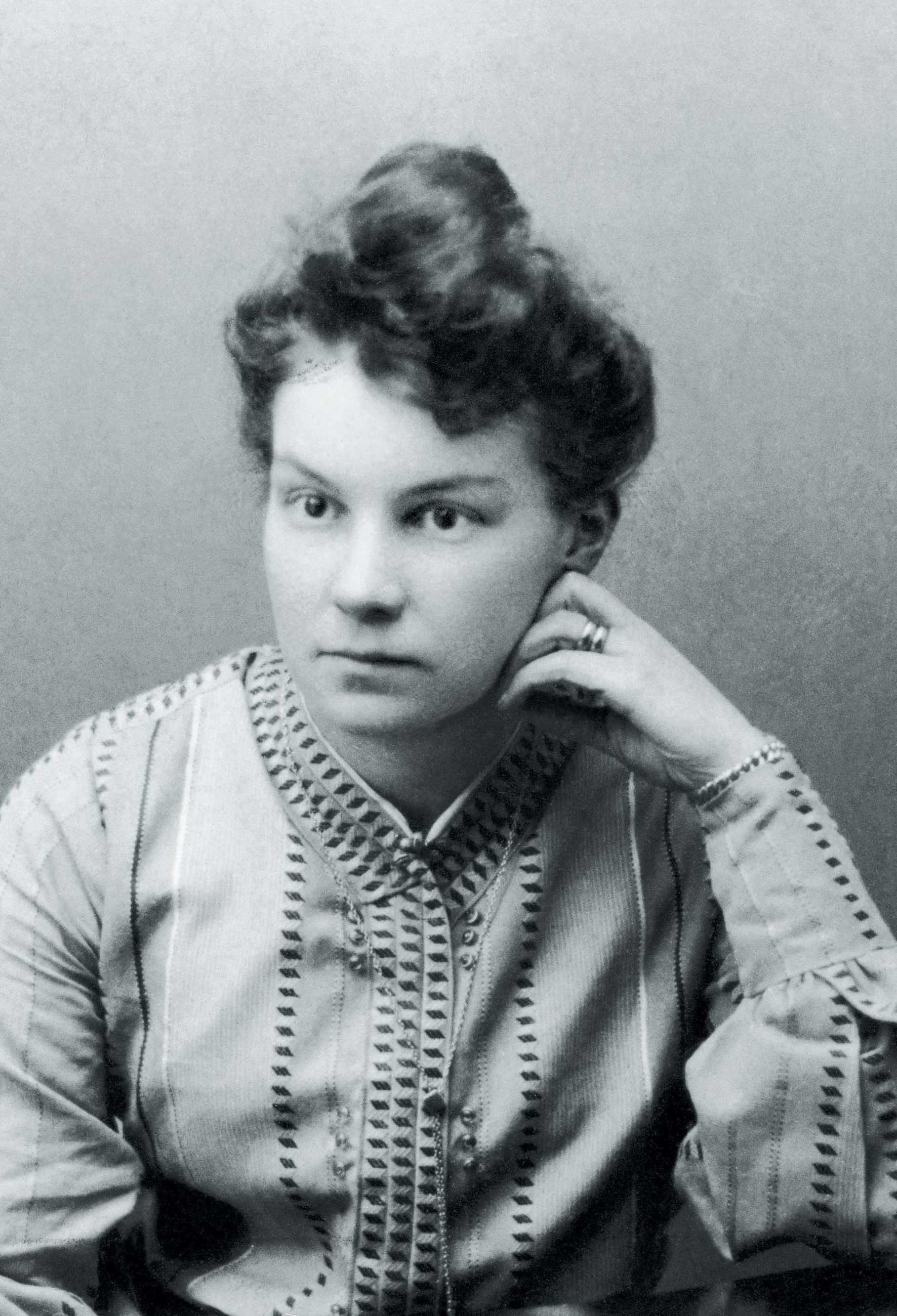
Paul Claudel was a prominent French poet, dramatist, and diplomat, known for his profound exploration of themes related to faith and spirituality. Born in a family that valued the arts, he was the younger brother of the renowned sculptor Camille Claudel. Claudel's literary career was marked by his unique verse dramas, which often reflected his devout Catholic beliefs and a deep engagement with philosophical and theological questions. His most notable works include 'The Tidings Brought to Mary' and 'The Hostage,' both of which showcase his innovative use of language and dramatic structure. Claudel's contributions to literature extend beyond his plays; he was also a significant figure in French poetry, with works that blend lyrical beauty and complex ideas. His writing is characterized by a rich symbolism and a distinctive voice that set him apart from his contemporaries. Claudel's influence can be seen in the way he challenged traditional forms and themes in literature, making him a pivotal figure in 20th-century French literature. His legacy endures, as his works continue to be studied and performed, reflecting the intersection of art, faith, and the human experience.
Famous Quotes
View all 3 quotes“Truth has nothing to do with the number of people it convinces.”
“L'ordre est le plaisir de la raison; mais le désordre est le délice de l'imagination”
“There are two ways to shine: to reflect light or produce it.”
Books from the author

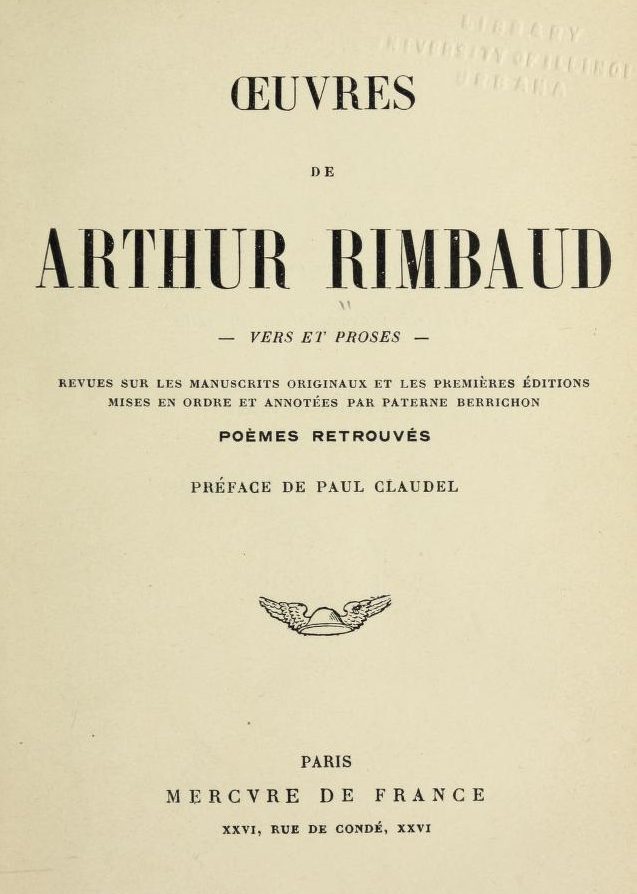
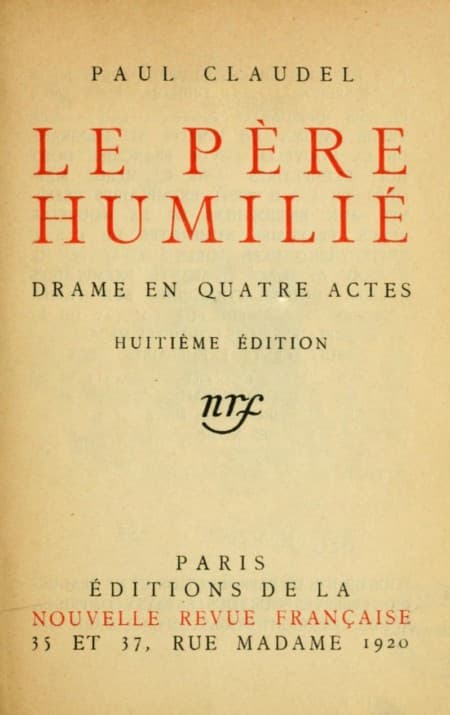
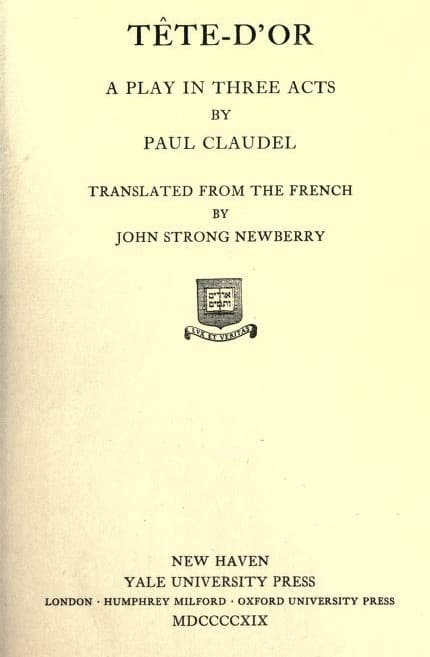



Link to this page
Add a free, dofollow link to Lex on your blog, forum, syllabus, or reading list.

<a href="https://lex-books.com/author/paul-claudel"><img src="https://lex-books.com/badges/read-on-lex.svg" alt="Paul Claudel on Lex" width="160" height="40"></a>[](https://lex-books.com/author/paul-claudel)[url=https://lex-books.com/author/paul-claudel][img]https://lex-books.com/badges/read-on-lex.svg[/img][/url]Paul Claudel on Lex: https://lex-books.com/author/paul-claudel