Ernest Hamlin Abbott
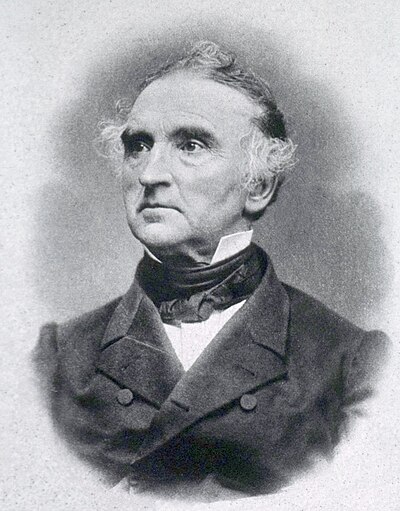
Ernest Hamlin Abbott was an American author and educator known for his insightful explorations of parenting and religion in the early 20th century. Born in 1870, Abbott dedicated much of his life to the study of social and spiritual issues, contributing significantly to the discourse on family dynamics and the religious landscape of America. His notable works, 'On the Training of Parents' and 'Religious Life in America: A Record of Personal Observation,' reflect his deep commitment to understanding the complexities of human relationships and the role of faith in everyday life. In 'On the Training of Parents,' Abbott offered practical advice and philosophical reflections aimed at improving parenting practices, emphasizing the importance of nurturing and education in child-rearing. Meanwhile, 'Religious Life in America' provided a personal account of the diverse religious experiences he encountered, showcasing his keen observational skills and his ability to engage with various faith traditions. Abbott's writings not only contributed to the fields of education and religious studies but also influenced contemporary thought on the responsibilities of parents and the evolving nature of spirituality in American society. His legacy endures through the continued relevance of his insights into family and faith.
Famous Quotes
View all 3 quotes“There is nothing necessarily soft or flabby about the imaginative life. There is no special reason why little children should be afflicted with continual talk about the dear little birdies or the sweet little flowers. Indeed, the natural taste of children seems to be attracted in the opposite direction. One small boy, when he inquired about a bloody Bible picture, and was put off with the explanation that it was not a pleasant story, expressed the views of many of his age when, looking up angelically, he exclaimed with ecstasy, "I like to hear about horrid things.”
“Of course it would never do for a child to live in too just a world; his awakening upon entrance into the world that we grown folks have made for ourselves would be cruelly rude. He must have ample chance to learn how to meet injustice.”
“Why don't you have your children go to church? There is only one rational answer to that question. It might be put into some such form as this: "I have no special objection to churches. They are useful. So are free libraries. People who have no books at home find free libraries a great benefit; but my family have at home all the books they need. So people who are not well supplied with religion derive undoubted benefit from churches; but my family have at home all the religion they need. The community would be about as well off without any churches as it is with the churches it has. If no other charity seems more important, I am willing to contribute to a church as I might to a free library; but really I see no reason why I should go to church myself, or expect my children to go." That is a rational answer. I know of no other answer essentially different that could be called rational.”
Books from the author


Link to this page
Add a free, dofollow link to Lex on your blog, forum, syllabus, or reading list.

<a href="https://lex-books.com/author/ernest-hamlin-abbott"><img src="https://lex-books.com/badges/read-on-lex.svg" alt="Ernest Hamlin Abbott on Lex" width="160" height="40"></a>[](https://lex-books.com/author/ernest-hamlin-abbott)[url=https://lex-books.com/author/ernest-hamlin-abbott][img]https://lex-books.com/badges/read-on-lex.svg[/img][/url]Ernest Hamlin Abbott on Lex: https://lex-books.com/author/ernest-hamlin-abbott