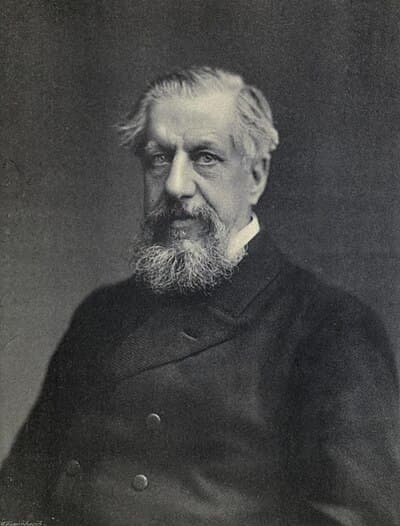
Edwin, Sir Arnold
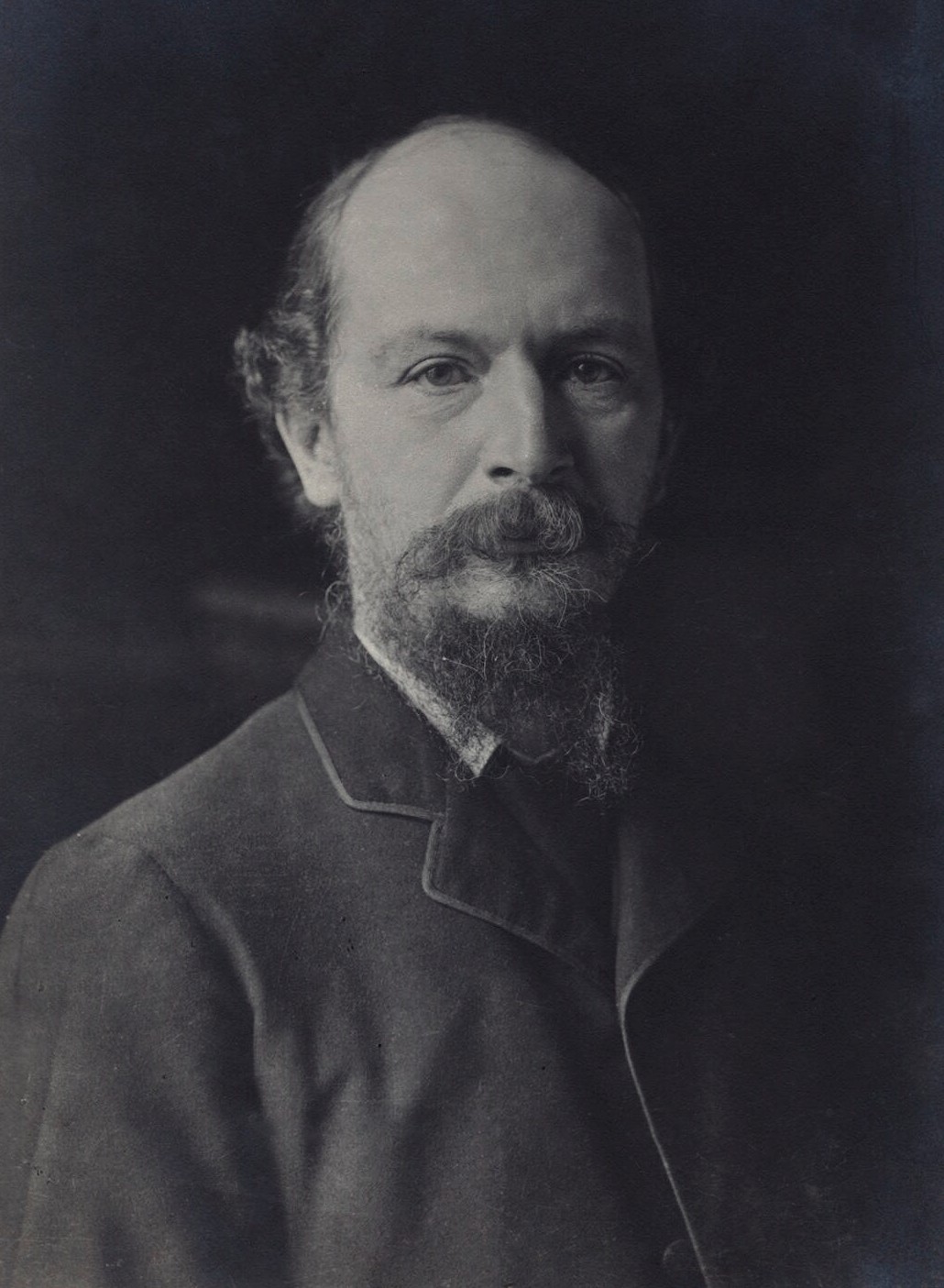
Sir Edwin Arnold was a British poet and journalist best known for his works that explored Eastern philosophy and culture, particularly Buddhism and Indian literature. Born in 1832, Arnold's early career in journalism laid the groundwork for his literary pursuits, which were characterized by a deep admiration for the spiritual and artistic traditions of Asia. His most famous work, 'The Light of Asia,' published in 1879, is a narrative poem that recounts the life and teachings of Siddhartha Gautama, the Buddha. This work not only popularized Buddhist philosophy in the West but also established Arnold as a significant figure in the introduction of Eastern thought to Western audiences. In addition to 'The Light of Asia,' Arnold's contributions to literature include 'Indian Poetry,' which showcases a selection of translations from classical Indian texts, and 'The Essence of Buddhism,' where he distills the core principles of Buddhist teachings. His ability to convey the beauty and depth of Eastern spirituality through verse resonated with readers and helped bridge cultural divides during the Victorian era. Arnold's legacy lies in his role as a cultural ambassador, fostering an appreciation for Indian and Buddhist literature in the West, and influencing subsequent generations of writers and thinkers interested in Eastern philosophies.
Famous Quotes
View all 2 quotes“Sweetest smile is made saddest tear-drop!””
“Sir Edwin Chadwick, whose Sanitary Report proved to be a bestseller for the Stationery Office in 1842, confirmed that, every year, 20,000 adults and 30,000 youths and children were ‘imperfectly interred’ in less than 218 acres of burial ground, ‘closely surrounded by the abodes of the living’.2””
Books from the author



Link to this page
Add a free, dofollow link to Lex on your blog, forum, syllabus, or reading list.

<a href="https://lex-books.com/author/edwin-sir-arnold"><img src="https://lex-books.com/badges/read-on-lex.svg" alt="Edwin, Sir Arnold on Lex" width="160" height="40"></a>[](https://lex-books.com/author/edwin-sir-arnold)[url=https://lex-books.com/author/edwin-sir-arnold][img]https://lex-books.com/badges/read-on-lex.svg[/img][/url]Edwin, Sir Arnold on Lex: https://lex-books.com/author/edwin-sir-arnold