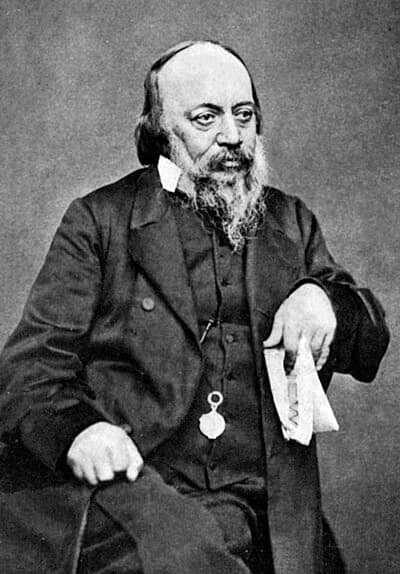
Edwin Chadwick
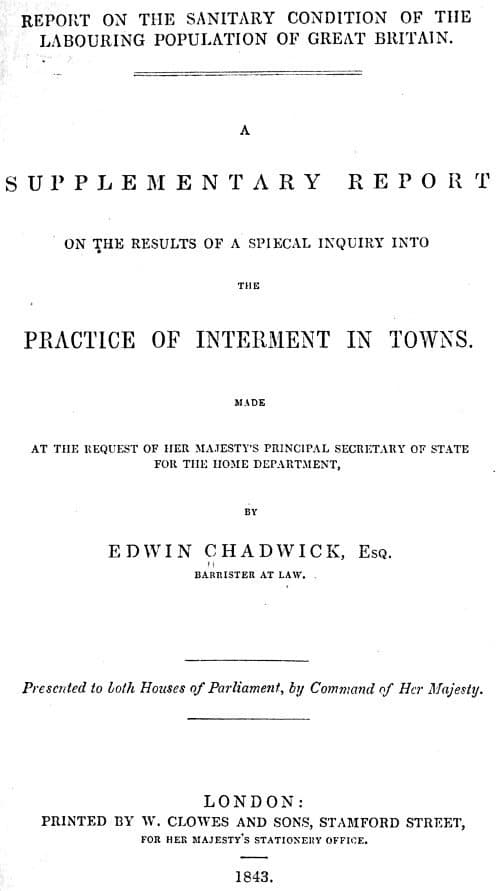
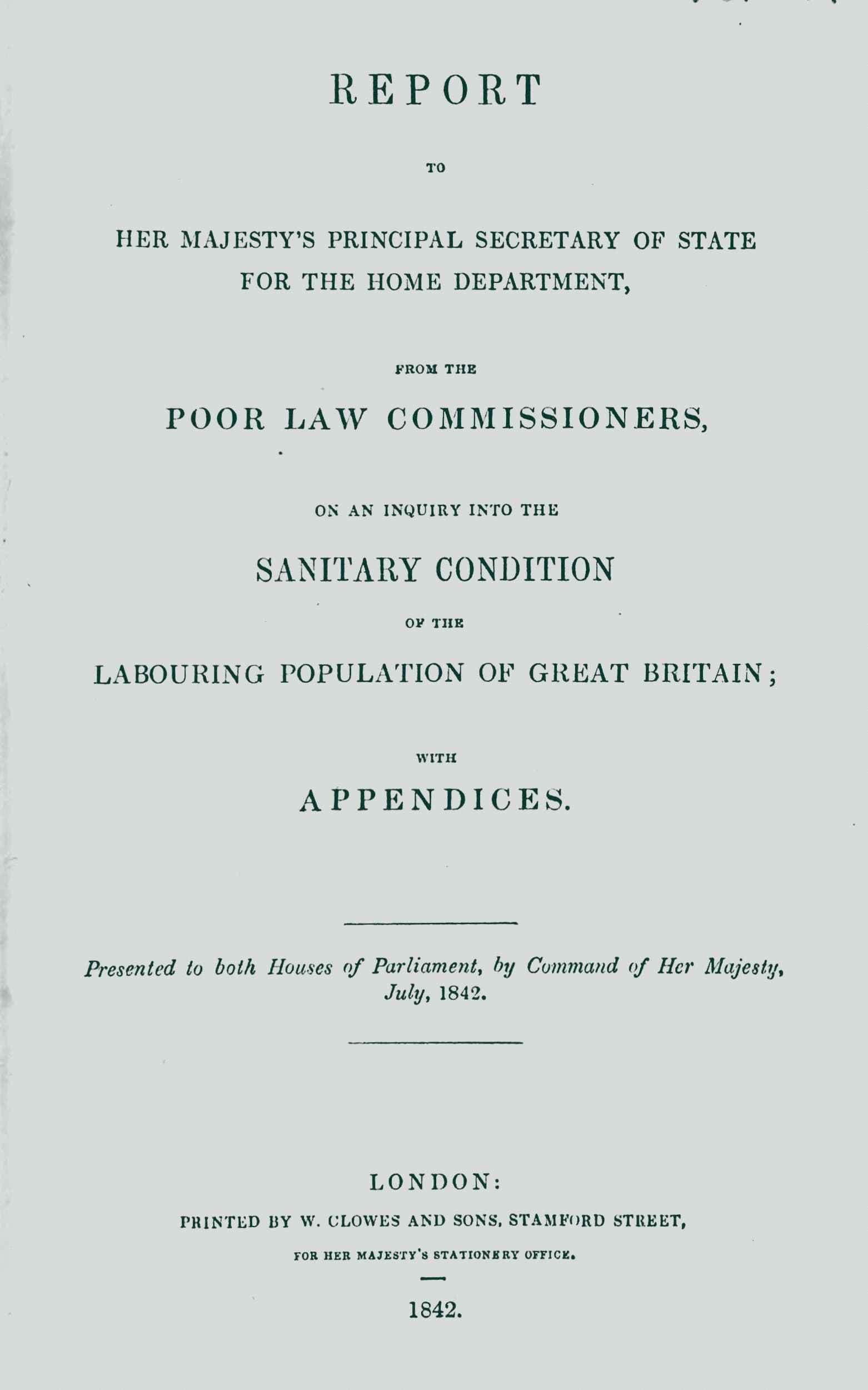
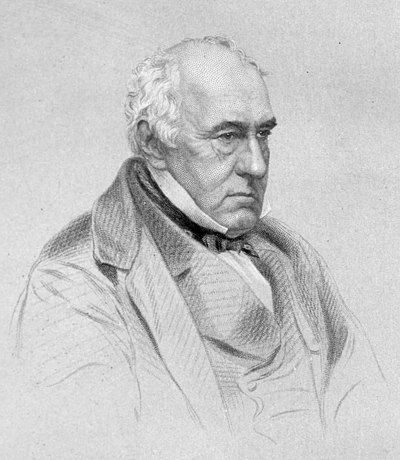
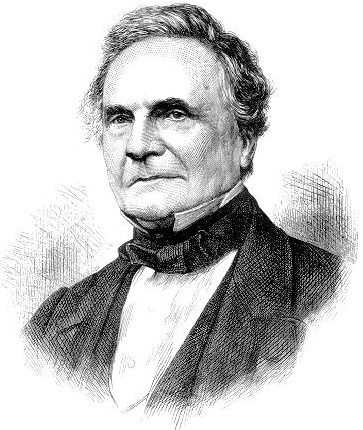
Sir Edwin Chadwick was an influential English social reformer recognized for his pivotal role in transforming public health and urban sanitation in the 19th century. A disciple of the Utilitarian philosopher Jeremy Bentham, Chadwick's work was most prominent between 1832 and 1854, during which he advocated for significant changes to the Poor Laws in England. His groundbreaking approach involved the use of scientific surveys to analyze complex social issues, laying the groundwork for systematic long-term inspection programs that ensured the effective implementation of reforms. His notable publication, 'The Sanitary Condition of the Labouring Population,' highlighted the dire public health conditions of the time and prompted urgent governmental action. Chadwick's legacy is marked by his commitment to improving living conditions for the urban poor, which ultimately led to the establishment of the Public Health Act of 1848. Although his influence waned in later years, his pioneering methods and advocacy for public health reform set the stage for future advancements in social policy and urban planning. His work not only addressed immediate health crises but also shaped the framework for modern public health initiatives, making him a key figure in the history of social reform in England.
Books from the author







Link to this page
Add a free, dofollow link to Lex on your blog, forum, syllabus, or reading list.

<a href="https://lex-books.com/author/edwin-chadwick"><img src="https://lex-books.com/badges/read-on-lex.svg" alt="Edwin Chadwick on Lex" width="160" height="40"></a>[](https://lex-books.com/author/edwin-chadwick)[url=https://lex-books.com/author/edwin-chadwick][img]https://lex-books.com/badges/read-on-lex.svg[/img][/url]Edwin Chadwick on Lex: https://lex-books.com/author/edwin-chadwick