
Thomas Miller
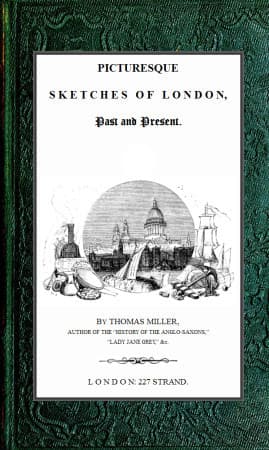
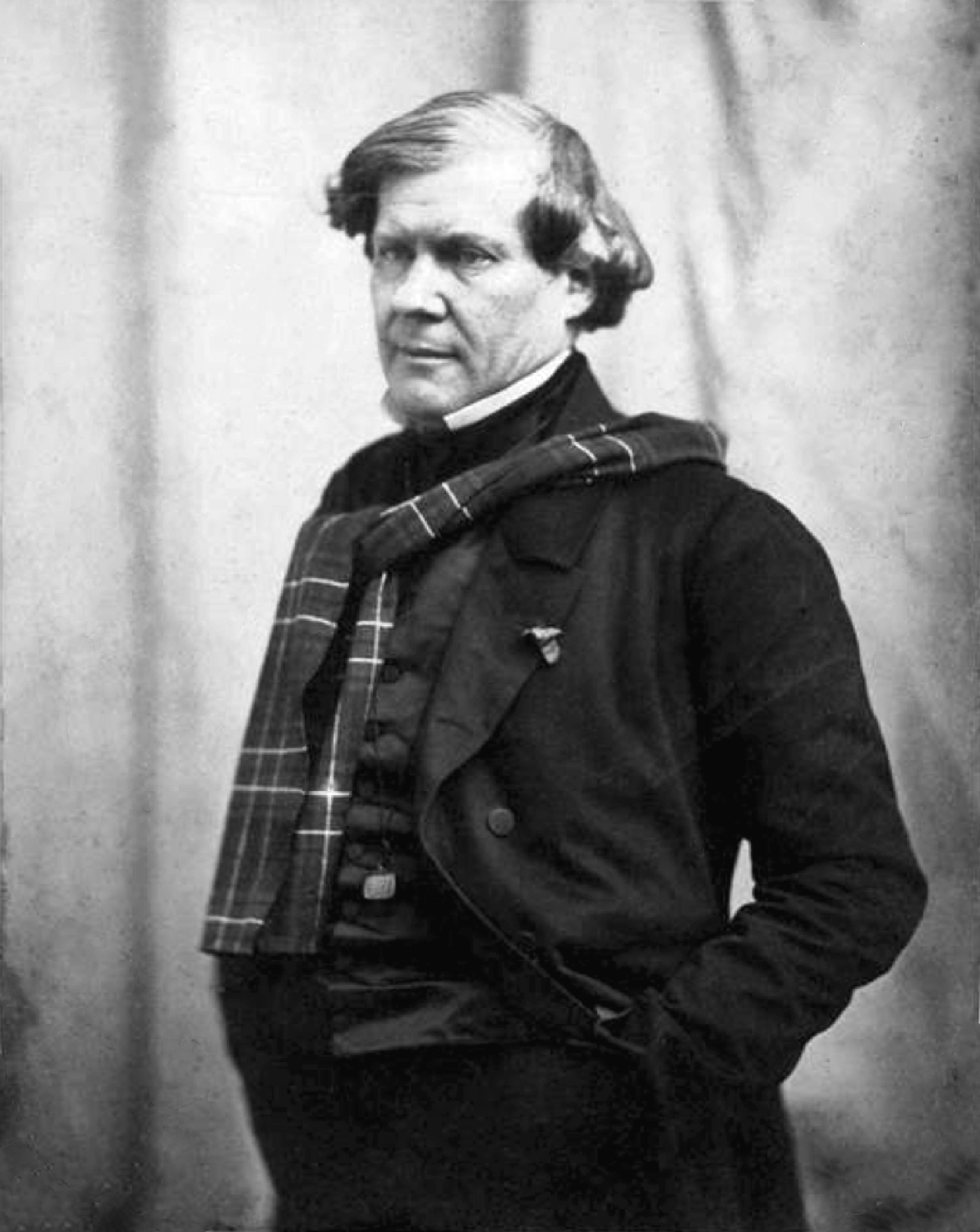
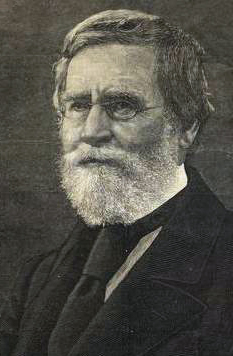
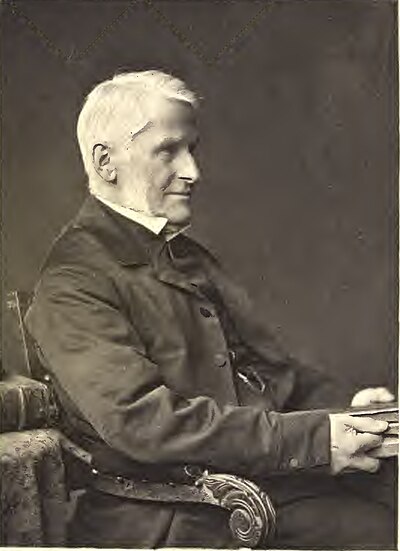
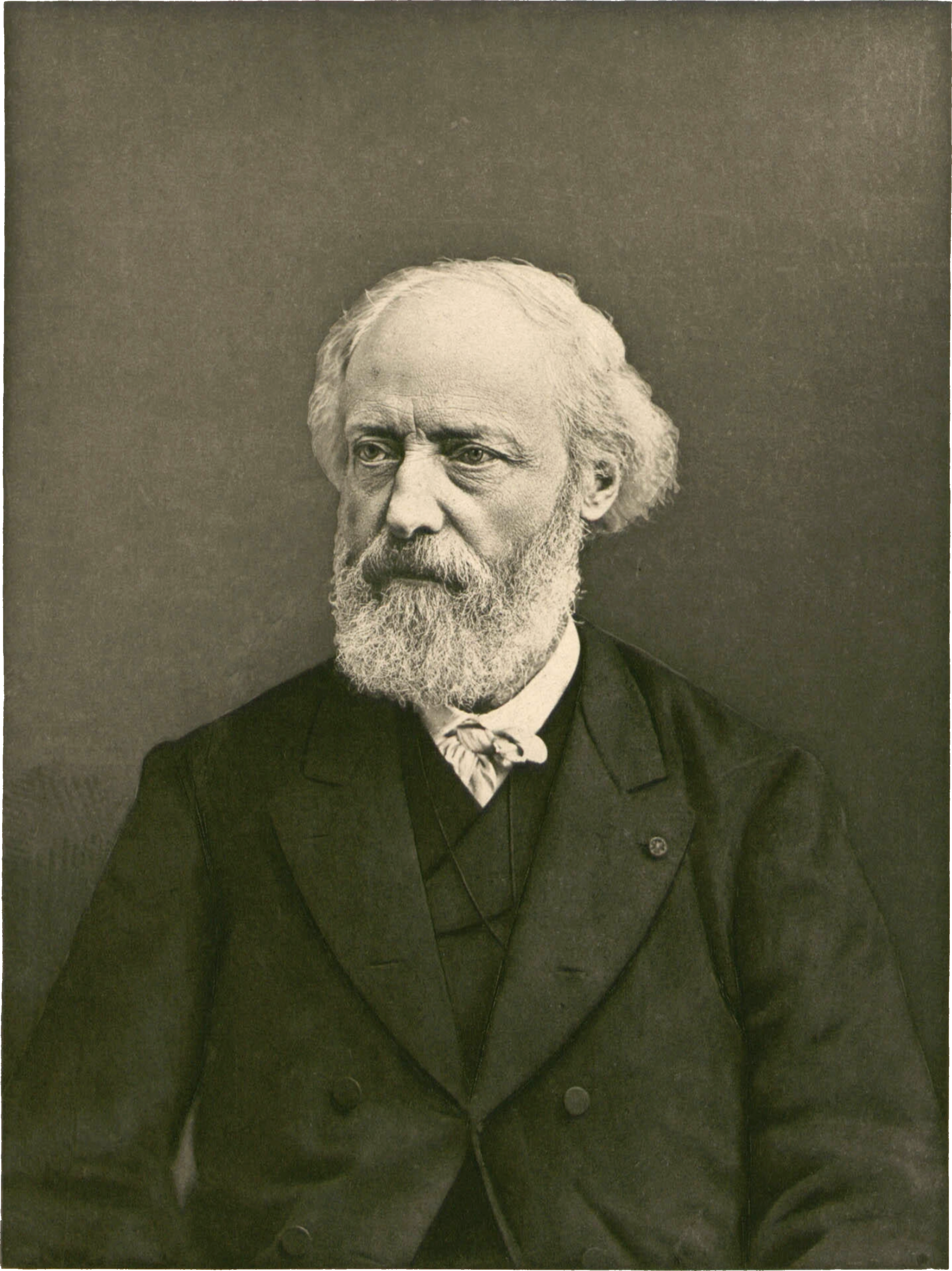
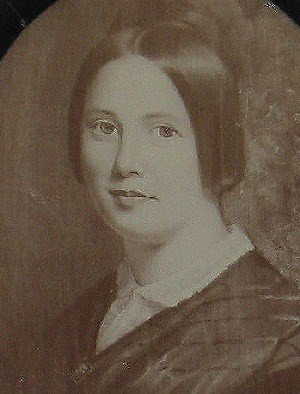
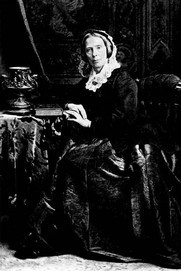
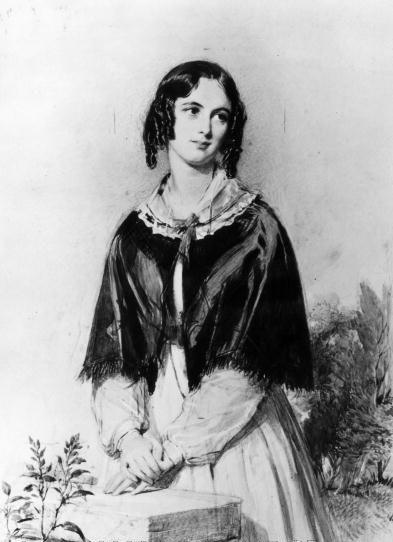
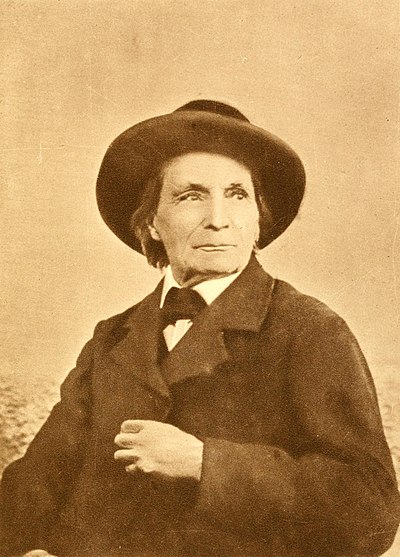
Thomas Miller was an English poet and novelist, known for his works that often reflected the rural life and the struggles of the working class. Born in a humble family, Miller's early experiences in the countryside of England greatly influenced his literary themes, which frequently highlighted the beauty and hardship of rural existence. He gained recognition for his poetry, particularly in collections such as "The Village and Other Poems" and "Poems of the Heart and Home," where he showcased his ability to capture the essence of everyday life with emotional depth and vivid imagery. In addition to his poetry, Miller authored several novels, including "The Old Curiosity Shop" and "The History of a Crime," which explored social issues and the human condition. His writing was characterized by a blend of romanticism and realism, making him a significant figure in the literary landscape of his time. Miller's works not only entertained but also served as a commentary on the societal changes occurring in 19th-century England, particularly the impact of industrialization on rural communities. His legacy endures as a voice for the marginalized and a chronicler of the human experience in a rapidly changing world.
Famous Quotes
View all 12 quotes“If you've ever read one of those articles that asks notable people to list their favorite books, you may have been impressed or daunted to see them pick Proust or Thomas Mann or James Joyce. You might even feel sheepish about the fact that you reread Pride and Prejudice or The Lord of the Rings, or The Catcher in the Rye or Gone With the Wind every couple of years with some much pleasure. Perhaps, like me, you're even a little suspicious of their claims, because we all know that the books we've loved best are seldom the ones we esteem the most highly - or the ones we'd most like other people to think we read over and over again.””
“if my memory serves me right, here is my genealogical line: Boccaccio, Petronius, Rabelais, Whitman, Emerson, Thoreau, Maeterlinck, Romain Rolland, Plotinus, Heraclitus, Nietzsche, Dostoievsky (and other Russian writers of the Nineteenth Century), the ancient Greek dramatists, theElizabethan dramatists (excluding Shakespeare), Theodore Dreiser, Knut Hamsun, D. H. Lawrence, James Joyce, Thomas Mann, Elie Faure, Oswald Spengler, Marcel Proust, Van Gogh, the Dadaists and Surrealists, Balzac, Lewis Carroll, Nijinsky, Rimbaud, Blaise Cendrars, Jean Giono, Celine, everything I read on Zen Buddhism, everything I read about China, India, Tibet, Arabia, Africa, and of course the Bible, the men who wrote it and especially the men who made the King James version, for it was the language of the Bible rather than its “message” which I got first and which I will never shake off.””
“the Nobel Prize–winning novelist Thomas Mann had sent a dark warning to his countrymen, “Did Germany believe that she would never have to pay for the atrocities that her leap into barbarism seemed to allow?””
Books from the author



Link to this page
Add a free, dofollow link to Lex on your blog, forum, syllabus, or reading list.

<a href="https://lex-books.com/author/thomas-miller"><img src="https://lex-books.com/badges/read-on-lex.svg" alt="Thomas Miller on Lex" width="160" height="40"></a>[](https://lex-books.com/author/thomas-miller)[url=https://lex-books.com/author/thomas-miller][img]https://lex-books.com/badges/read-on-lex.svg[/img][/url]Thomas Miller on Lex: https://lex-books.com/author/thomas-miller