Report to Her Majesty's Principal Secretary of State For the Home Department,…
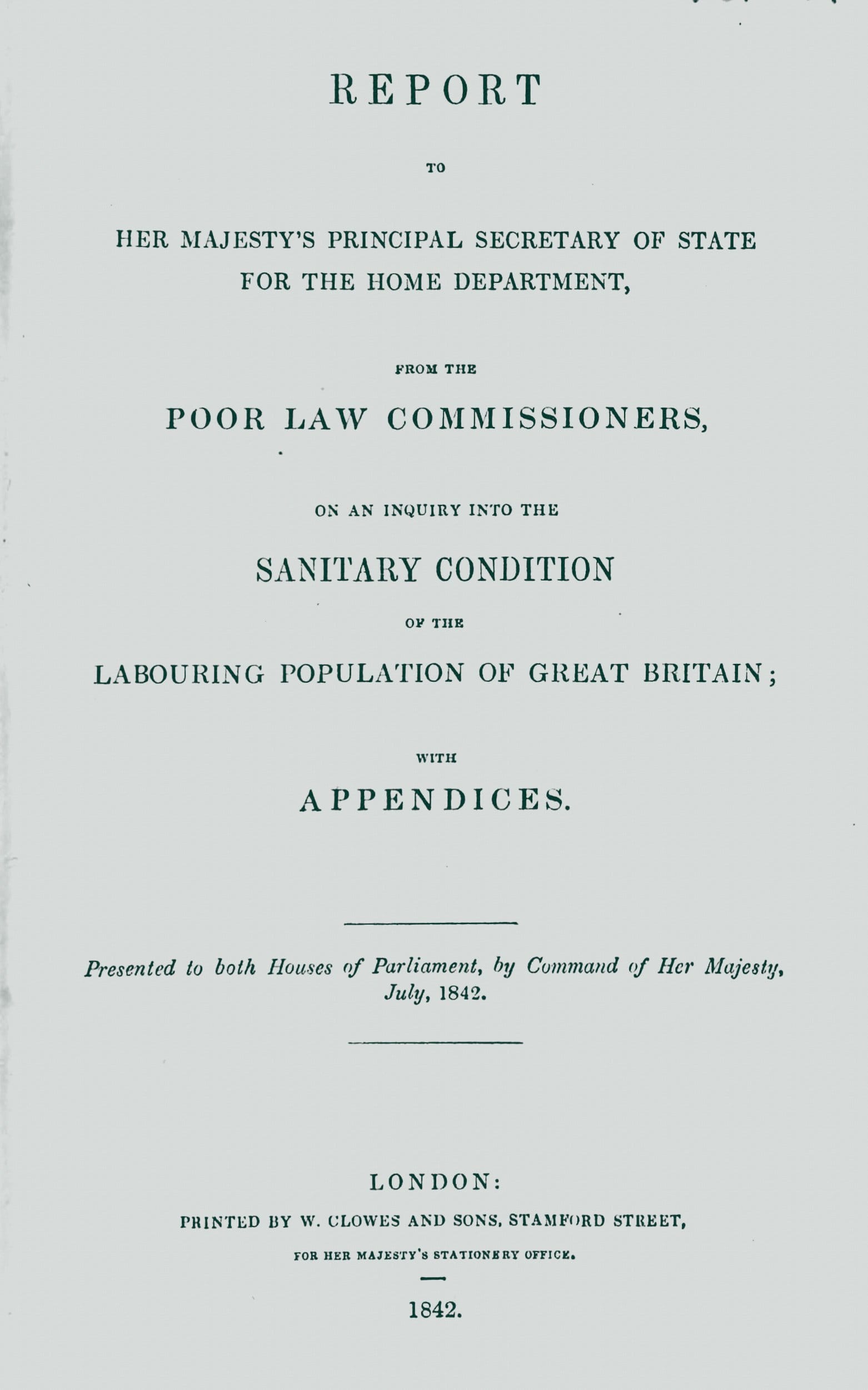
Report to Her Majesty's Principal Secretary of State For the Home Department,…
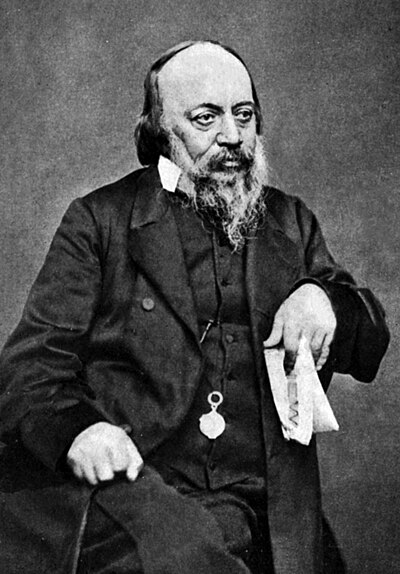
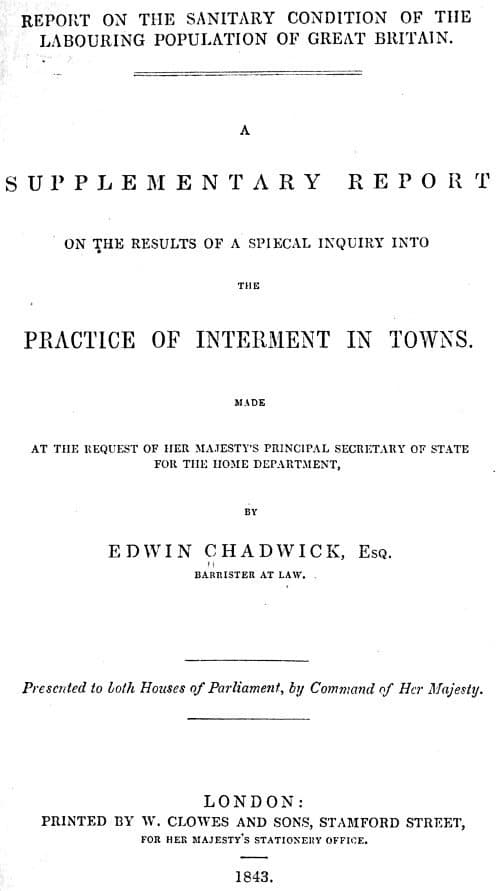
In 1842, a civil servant named Edwin Chadwick submitted a report that would fundamentally reshape how governments understood their responsibility to the poor. What he documented was devastating: families crowded into damp cellar dwellings, open sewers running beneath teeming streets, children dying in infancy at rates that shamed the nation. Chadwick spent years gathering evidence from across industrial Britain, interviewing workers, measuring mortality figures, and compiling testimony that painted an unforgettable portrait of squalor and suffering. But this was no mere catalogue of misery. The report argued, with relentless logic and passionate conviction, that disease was not inevitable\u2014that it was caused by filth, crowding, and neglect, and that it could be prevented through sanitary reform. The document ignited a revolution in public health, leading directly to Britain's first Public Health Act in 1848 and influencing sanitary reform movements worldwide. Reading it today, one encounters the startling freshness of an idea that now seems obvious but was then radical: that the health of a nation is a matter of public policy, not private fate. Chadwick's prose is vivid, urgent, and often harrowing, making this not merely a historical artifact but a reminder of what committed investigation can achieve.
Editions
Link to this book
Add a free, dofollow link to Lex on your blog, forum, syllabus, or reading list.

<a href="https://lex-books.com/book/report-to-her-majesty-s-principal-secretary-of-state-for-the-home-department-c9d22f86-0d64-4dd4-9a8e-0dd76b38bdb4"><img src="https://lex-books.com/badges/read-on-lex.svg" alt="Read Report to Her Majesty's Principal Secretary of State For the Home Department,… by Edwin Chadwick free on Lex" width="160" height="40"></a>[](https://lex-books.com/book/report-to-her-majesty-s-principal-secretary-of-state-for-the-home-department-c9d22f86-0d64-4dd4-9a8e-0dd76b38bdb4)[url=https://lex-books.com/book/report-to-her-majesty-s-principal-secretary-of-state-for-the-home-department-c9d22f86-0d64-4dd4-9a8e-0dd76b38bdb4][img]https://lex-books.com/badges/read-on-lex.svg[/img][/url]Read Report to Her Majesty's Principal Secretary of State For the Home Department,… by Edwin Chadwick free on Lex: https://lex-books.com/book/report-to-her-majesty-s-principal-secretary-of-state-for-the-home-department-c9d22f86-0d64-4dd4-9a8e-0dd76b38bdb4Cite this book
Reading this edition for a paper or guide? Copy a citation.
Chadwick, Edwin. Report to Her Majesty's Principal Secretary of State For the Home Department,…. Lex, lex-books.com/book/report-to-her-majesty-s-principal-secretary-of-state-for-the-home-department-c9d22f86-0d64-4dd4-9a8e-0dd76b38bdb4.Chadwick, E. (n.d.). Report to Her Majesty's Principal Secretary of State For the Home Department,…. Lex. https://lex-books.com/book/report-to-her-majesty-s-principal-secretary-of-state-for-the-home-department-c9d22f86-0d64-4dd4-9a8e-0dd76b38bdb4Chadwick, Edwin. Report to Her Majesty's Principal Secretary of State For the Home Department,…. Lex. https://lex-books.com/book/report-to-her-majesty-s-principal-secretary-of-state-for-the-home-department-c9d22f86-0d64-4dd4-9a8e-0dd76b38bdb4.