A Supplementary Report on the Results of a Special Inquiry into the Practice of Interment in Towns.
1843
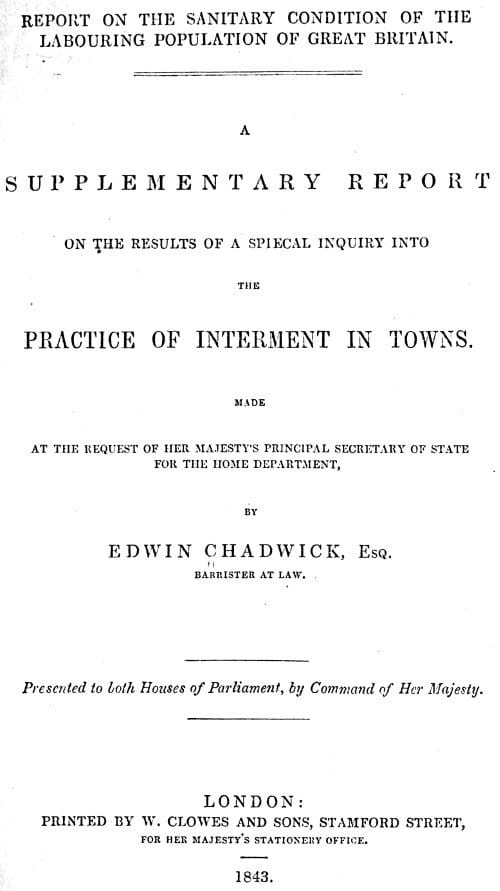
A Supplementary Report on the Results of a Special Inquiry into the Practice of Interment in Towns.
1843
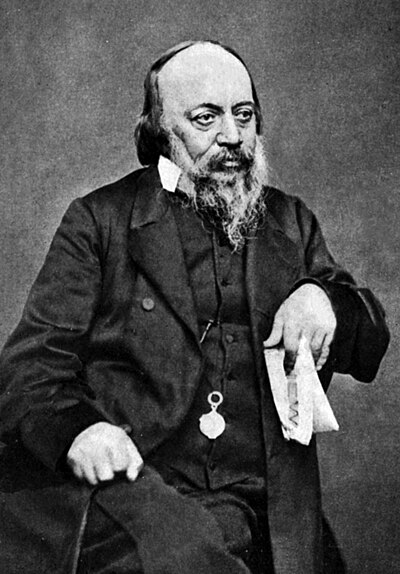
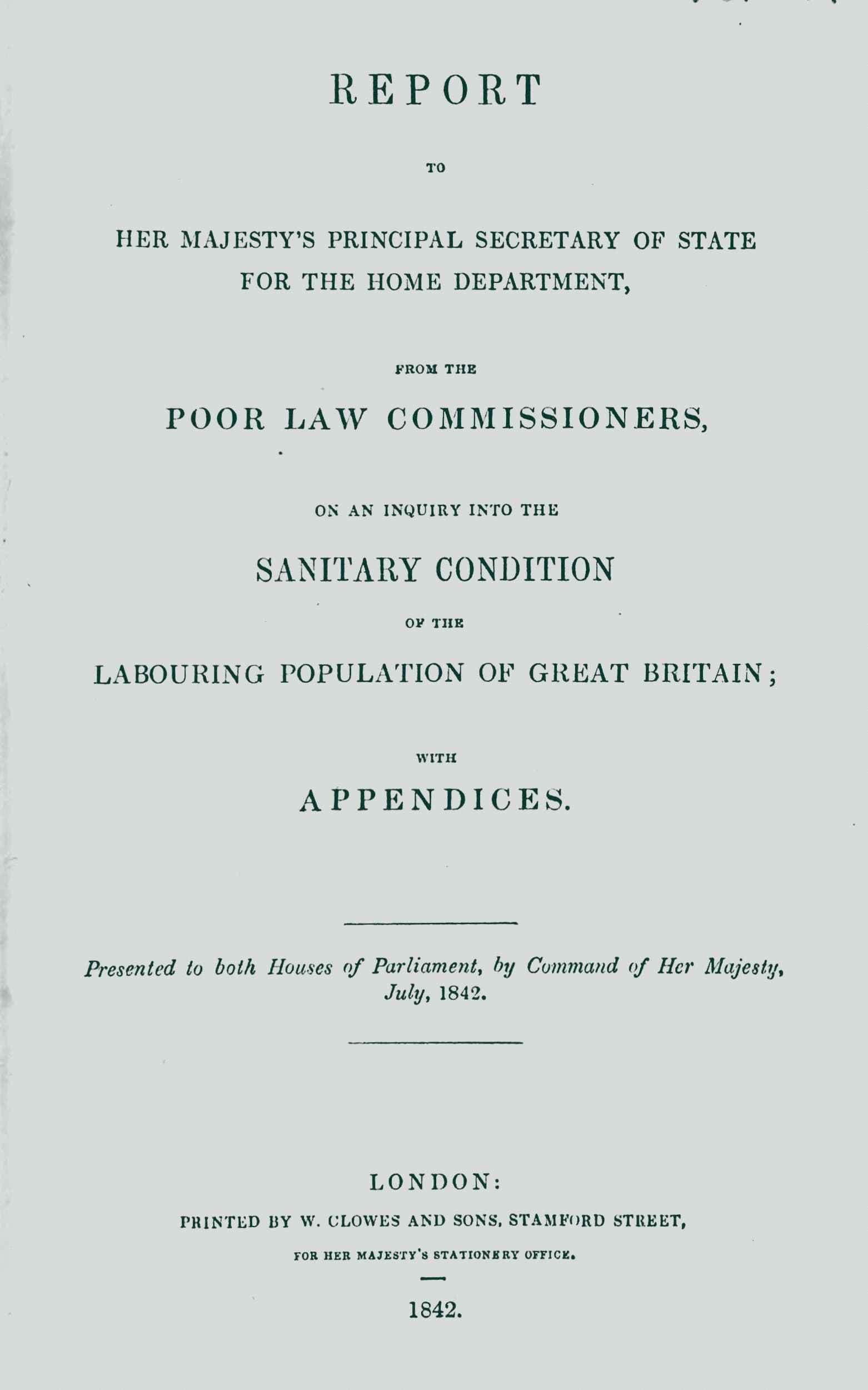
This is one of the most influential public health documents you've never heard of. In 1843, Edwin Chadwick, the architect of Britain's first systematic approach to public sanitation, launched a secret inquiry into something Victorians rarely spoke of publicly: the deadly consequences of burying the dead in crowded urban churchyards. What he found was staggering. Decomposing bodies in densely populated areas were generating what contemporaries called "miasma", toxic vapors believed to spread disease. Chadwick collected testimony from clergymen, undertakers, and neighbors, documenting how urban churchyards had become overwhelmed, with graves dug and re-dug for decades, sometimes even exhumed to make room for new bodies. The report pulls no punches on the moral and physical discomfort of its subject matter, yet treats it with rigorous scientific curiosity. It laid the empirical groundwork for the burial reform movement and ultimately helped shift urban Britain toward controlled cemetery grounds outside city limits. For readers interested in public health history, Victorian social reform, or the dark machinery of urban life in the nineteenth century, this document is a revelation: dry in tone, explosive in implications, and foundational to understanding how modern sanitation began.
Editions
Link to this book
Add a free, dofollow link to Lex on your blog, forum, syllabus, or reading list.

<a href="https://lex-books.com/book/a-supplementary-report-on-the-results-of-a-special-inquiry-into-the-practice-of--f08da258-a929-4848-9ae0-3637e4f1c72e"><img src="https://lex-books.com/badges/read-on-lex.svg" alt="Read A Supplementary Report on the Results of a Special Inquiry into the Practice of Interment in Towns. by Edwin Chadwick free on Lex" width="160" height="40"></a>[](https://lex-books.com/book/a-supplementary-report-on-the-results-of-a-special-inquiry-into-the-practice-of--f08da258-a929-4848-9ae0-3637e4f1c72e)[url=https://lex-books.com/book/a-supplementary-report-on-the-results-of-a-special-inquiry-into-the-practice-of--f08da258-a929-4848-9ae0-3637e4f1c72e][img]https://lex-books.com/badges/read-on-lex.svg[/img][/url]Read A Supplementary Report on the Results of a Special Inquiry into the Practice of Interment in Towns. by Edwin Chadwick free on Lex: https://lex-books.com/book/a-supplementary-report-on-the-results-of-a-special-inquiry-into-the-practice-of--f08da258-a929-4848-9ae0-3637e4f1c72eCite this book
Reading this edition for a paper or guide? Copy a citation.
Chadwick, Edwin. A Supplementary Report on the Results of a Special Inquiry into the Practice of Interment in Towns.. Lex, lex-books.com/book/a-supplementary-report-on-the-results-of-a-special-inquiry-into-the-practice-of--f08da258-a929-4848-9ae0-3637e4f1c72e.Chadwick, E. (1843). A Supplementary Report on the Results of a Special Inquiry into the Practice of Interment in Towns.. Lex. https://lex-books.com/book/a-supplementary-report-on-the-results-of-a-special-inquiry-into-the-practice-of--f08da258-a929-4848-9ae0-3637e4f1c72eChadwick, Edwin. A Supplementary Report on the Results of a Special Inquiry into the Practice of Interment in Towns.. Lex. https://lex-books.com/book/a-supplementary-report-on-the-results-of-a-special-inquiry-into-the-practice-of--f08da258-a929-4848-9ae0-3637e4f1c72e.