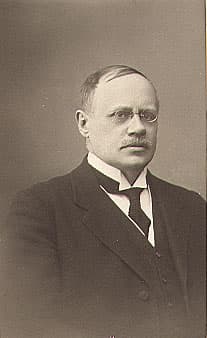
Edward Westermarck
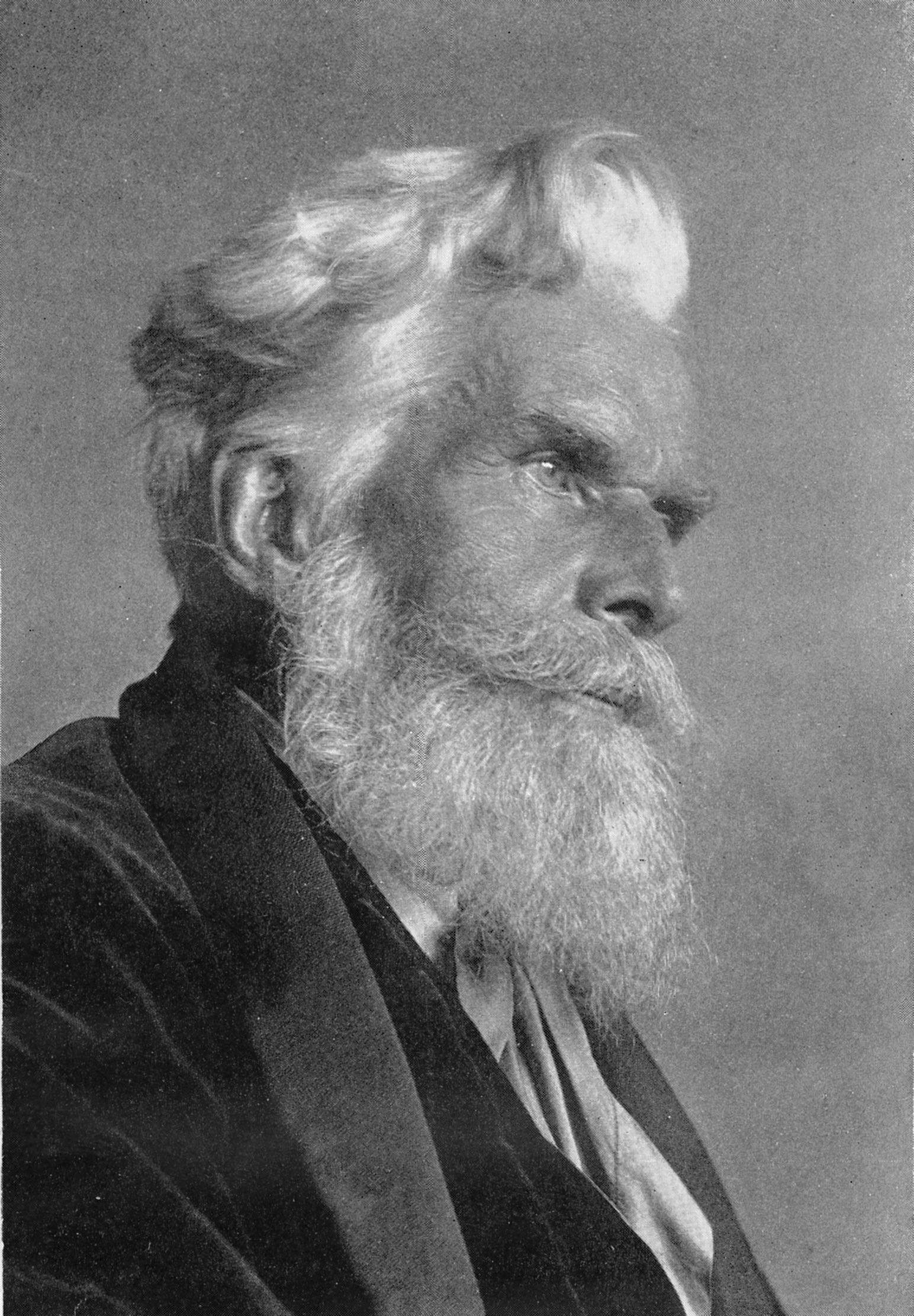
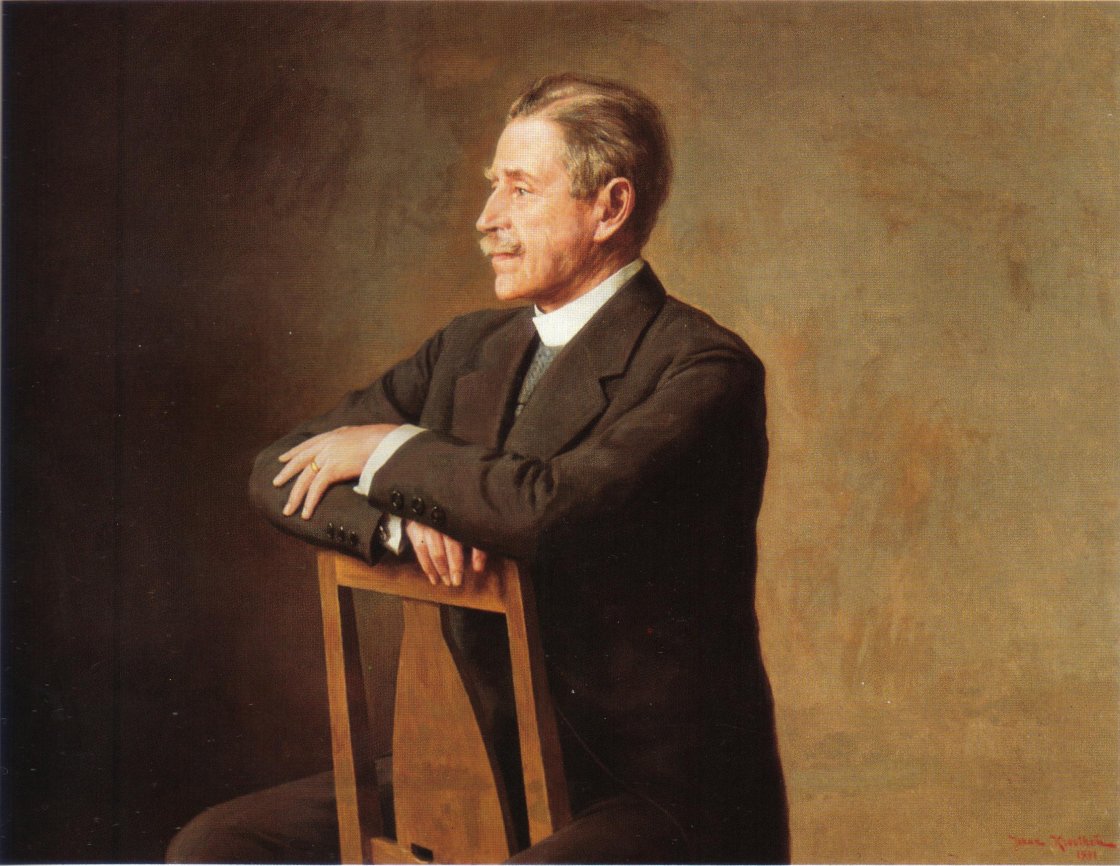
Edward Westermarck was a Finnish philosopher and sociologist renowned for his pioneering work in the fields of sociology and anthropology. Born in Helsinki, he developed a keen interest in human relationships and social structures, which led him to explore complex topics such as exogamy and the incest taboo. His seminal work, 'The History of Human Marriage,' published in 1891, challenged prevailing notions of marriage and kinship, arguing for a more nuanced understanding of social customs across cultures. Westermarck's research emphasized the significance of cultural context in shaping human behavior, making substantial contributions to the study of social norms and practices. Throughout his career, Westermarck's ideas sparked debates and influenced subsequent generations of sociologists and anthropologists. His empirical approach and focus on the interplay between culture and human behavior laid the groundwork for future studies in social sciences. In addition to 'The History of Human Marriage,' he authored 'The Origin and Development of the Moral Ideas,' further solidifying his reputation as a critical thinker in moral philosophy. Westermarck's legacy endures as a foundational figure in sociology, whose insights into human relationships continue to inform contemporary discussions in the field.
Famous Quotes
View all 1 quotes“Increasing knowledge lessens the sphere of the supernatural.””
Books from the author



Link to this page
Add a free, dofollow link to Lex on your blog, forum, syllabus, or reading list.

<a href="https://lex-books.com/author/edward-westermarck"><img src="https://lex-books.com/badges/read-on-lex.svg" alt="Edward Westermarck on Lex" width="160" height="40"></a>[](https://lex-books.com/author/edward-westermarck)[url=https://lex-books.com/author/edward-westermarck][img]https://lex-books.com/badges/read-on-lex.svg[/img][/url]Edward Westermarck on Lex: https://lex-books.com/author/edward-westermarck