The Origin and Development of the Moral Ideas
1906
The Origin and Development of the Moral Ideas
1906
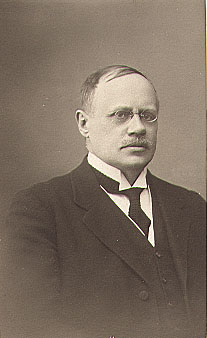
Long before psychology reshaped philosophy, Edward Westermarck undertook something audacious: he asked not what we ought to think about morality, but where our moral feelings come from. The result is a sweeping, ambitious work that traces the emotional roots of right and wrong across human societies. Westermarck argues that our moral judgments are not cool rational calculations but passionate responses of approval and indignation, generalizations of the feelings certain actions provoke in us. What makes this book endure is its daring willingness to demystify ethics, to treat moral concepts as psychological phenomena worthy of empirical study rather than sacred truths demanding reverence. He examines how different cultures shape and vary in their moral emotions, laying groundwork that would later influence Freudian psychology, evolutionary ethics, and the study of moral cognition. Though some of its anthropological examples have aged, its central insight remains electrifying: when we call an act good or bad, we are ultimately reporting what it makes us feel. For readers curious about the foundations of ethics, or anyone who has ever wondered why certain acts provoke outrage while others inspire admiration, this remains a provocation worth encountering.
Editions
X-Ray
“Increasing knowledge lessens the sphere of the supernatural.””
— Edward Westermarck
Link to this book
Add a free, dofollow link to Lex on your blog, forum, syllabus, or reading list.

<a href="https://lex-books.com/book/the-origin-and-development-of-the-moral-ideas-431de67f-b0db-4509-8a5b-d20335d6d264"><img src="https://lex-books.com/badges/read-on-lex.svg" alt="Read The Origin and Development of the Moral Ideas by Edward Westermarck free on Lex" width="160" height="40"></a>[](https://lex-books.com/book/the-origin-and-development-of-the-moral-ideas-431de67f-b0db-4509-8a5b-d20335d6d264)[url=https://lex-books.com/book/the-origin-and-development-of-the-moral-ideas-431de67f-b0db-4509-8a5b-d20335d6d264][img]https://lex-books.com/badges/read-on-lex.svg[/img][/url]Read The Origin and Development of the Moral Ideas by Edward Westermarck free on Lex: https://lex-books.com/book/the-origin-and-development-of-the-moral-ideas-431de67f-b0db-4509-8a5b-d20335d6d264Cite this book
Reading this edition for a paper or guide? Copy a citation.
Westermarck, Edward. The Origin and Development of the Moral Ideas. Lex, lex-books.com/book/the-origin-and-development-of-the-moral-ideas-431de67f-b0db-4509-8a5b-d20335d6d264.Westermarck, E. (1906). The Origin and Development of the Moral Ideas. Lex. https://lex-books.com/book/the-origin-and-development-of-the-moral-ideas-431de67f-b0db-4509-8a5b-d20335d6d264Westermarck, Edward. The Origin and Development of the Moral Ideas. Lex. https://lex-books.com/book/the-origin-and-development-of-the-moral-ideas-431de67f-b0db-4509-8a5b-d20335d6d264.