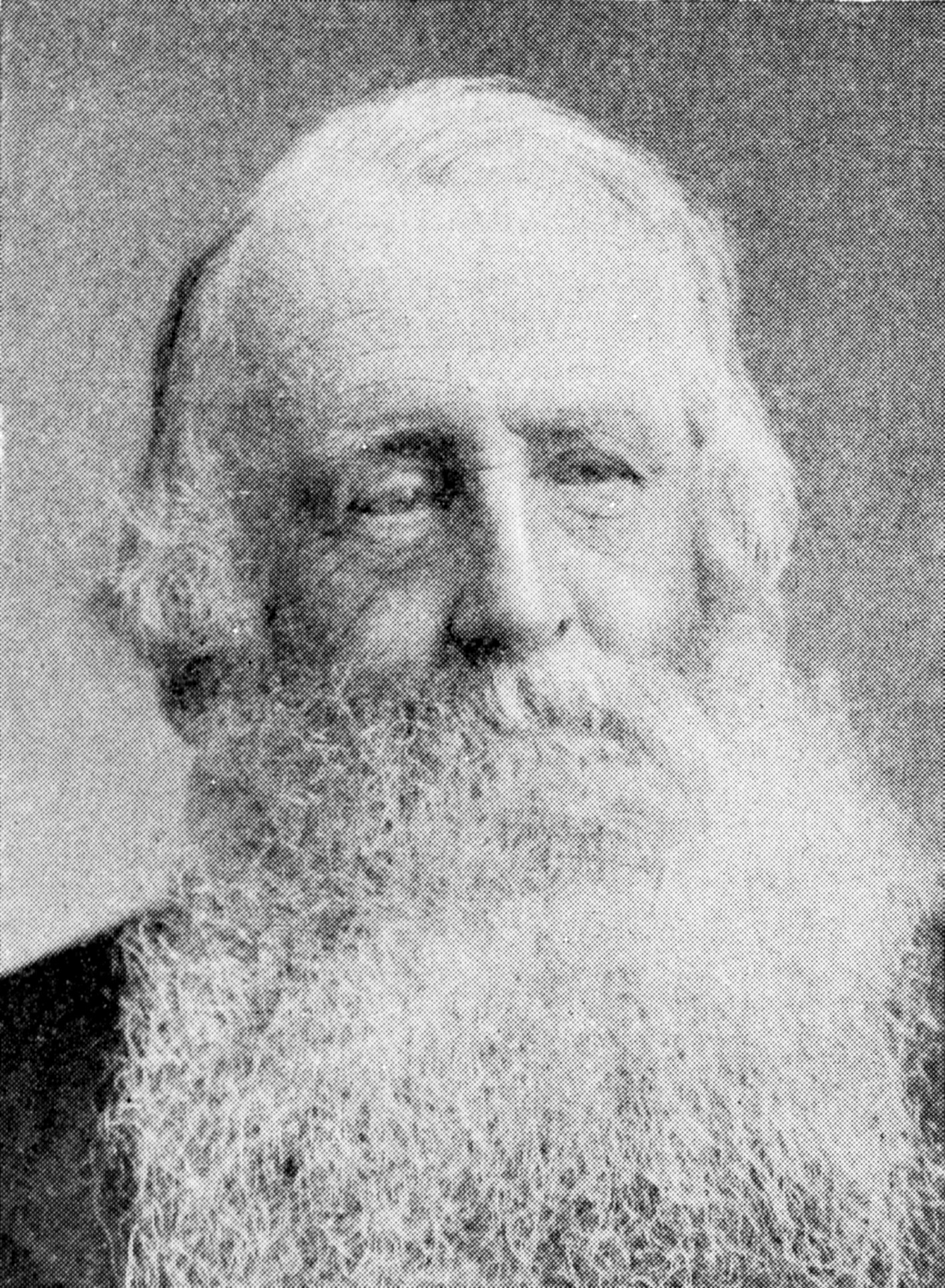
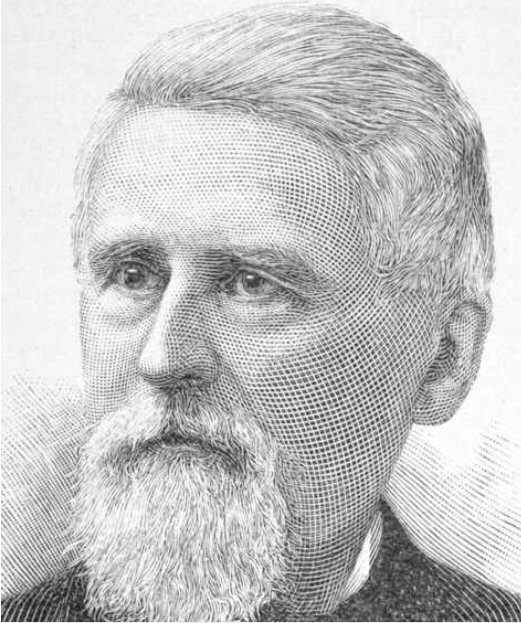
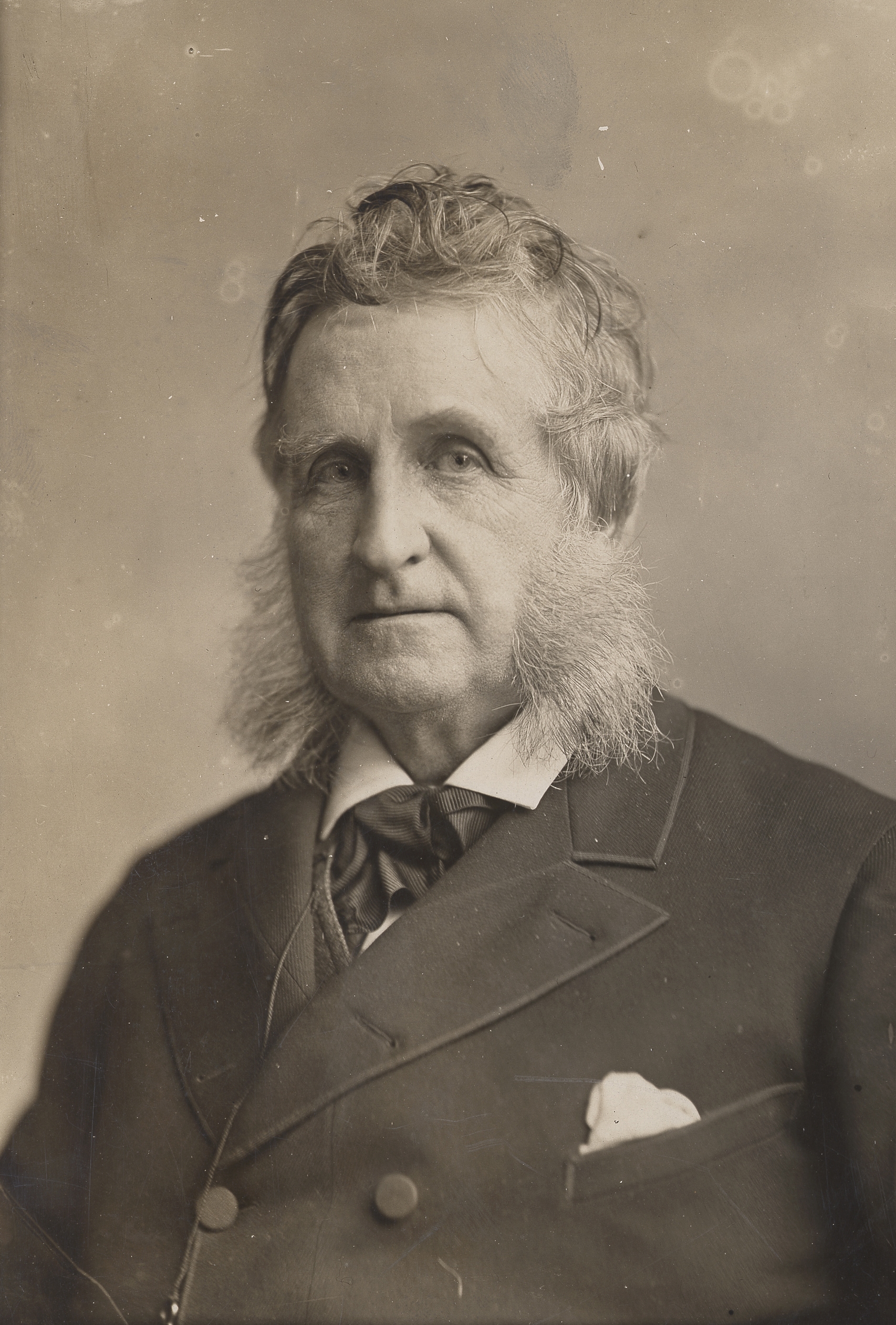
Edward Lewes Cutts
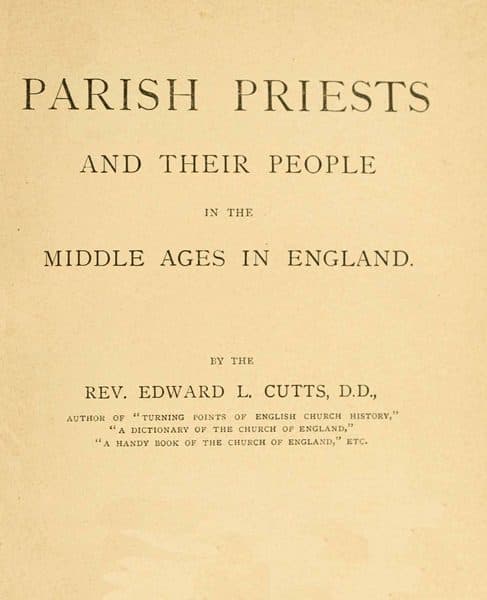
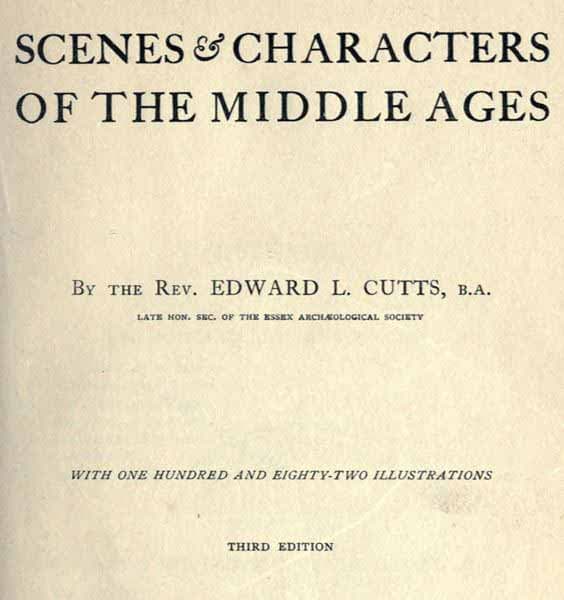
Edward Lewes Cutts was an English writer and antiquarian known for his significant contributions to the study of ecclesiastical history and archaeology. He served as a curate, which informed much of his scholarly work, allowing him to explore the intersections of faith, history, and material culture. Cutts's expertise in antiquarian studies led him to delve into the historical context of religious practices and institutions, making him a notable figure in his field. Among his major works, 'A Manual of Archaeology' and 'The Church and the Roman Empire' stand out for their thorough examination of the historical development of the church and its artifacts. His writings not only provided insights into ecclesiastical architecture and liturgical practices but also influenced contemporary understanding of the church's role in society. Cutts's dedication to preserving and interpreting historical artifacts has left a lasting legacy in the fields of archaeology and church history, highlighting the importance of these studies in understanding the past.
Books from the author




Link to this page
Add a free, dofollow link to Lex on your blog, forum, syllabus, or reading list.

<a href="https://lex-books.com/author/edward-lewes-cutts"><img src="https://lex-books.com/badges/read-on-lex.svg" alt="Edward Lewes Cutts on Lex" width="160" height="40"></a>[](https://lex-books.com/author/edward-lewes-cutts)[url=https://lex-books.com/author/edward-lewes-cutts][img]https://lex-books.com/badges/read-on-lex.svg[/img][/url]Edward Lewes Cutts on Lex: https://lex-books.com/author/edward-lewes-cutts