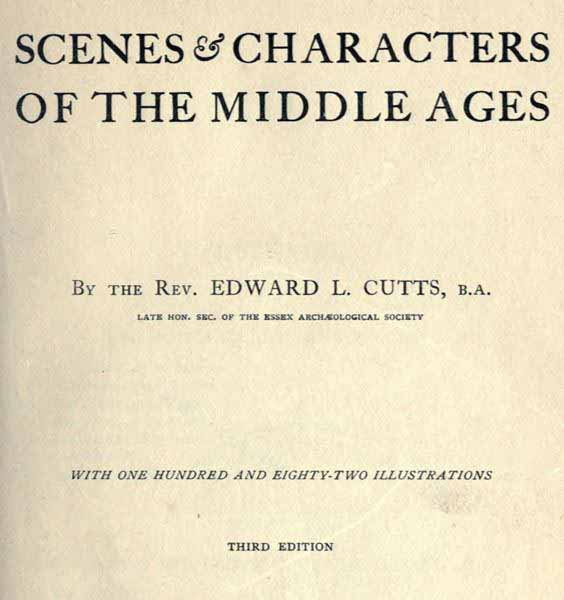
Scenes and Characters of the Middle Agesthird Edition
1872
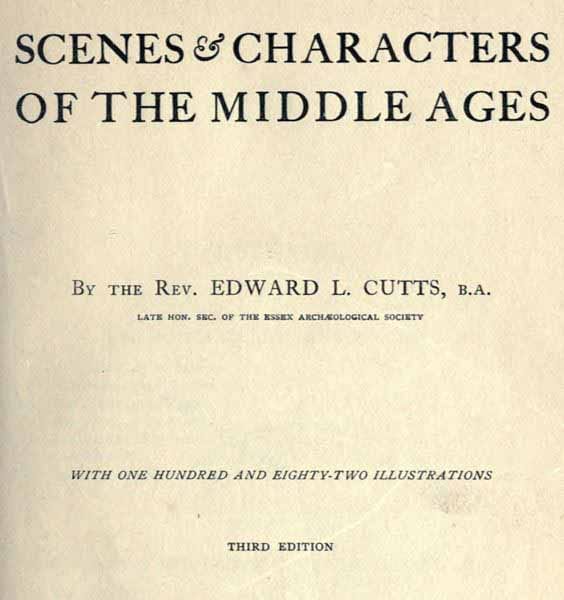
Scenes and Characters of the Middle Agesthird Edition
1872
A historical account written in the early 20th century. The work delves into the various aspects of medieval life, particularly focusing on monachism and the impact of monastic orders on society. Through a series of sketches, it seeks to bring to life the daily routines, challenges, and characteristics of monks during the Middle Ages, along with the historical context of their existence. The opening of the narrative introduces the theme of monachism by tracing its origins back to the second century in Egypt, where early ascetics withdrawn from society began to establish communities. The author contrasts these early hermits with the later structured monastic orders, particularly highlighting the development of the Benedictine rule and its widespread acceptance. The text emphasizes not just the spiritual and religious lives of these monks, but also their practical routines, interactions with society, and influence on art and culture. Through vibrant descriptions and historical context, the work aims to provide a rich portrayal of the monks and their vital role in medieval civilization.
Editions
X-Ray
The author and narrator, a reverend and archaeologist who serves as guide through medieval life. He presents himself as an objective scholar examining medieval society from an artistic and historical perspective.
Italian nobleman who founded the Benedictine monastic rule in 529 A.D. His rule became the foundation for most Western monasticism, emphasizing manual labor, perpetual vows, and detailed daily routines.
Founder of the Franciscan order of friars in the early 13th century. Son of an Italian merchant who devoted himself to preaching and works of charity among the poor, emphasizing poverty and humility.
Spanish Augustinian canon who founded the Dominican order of preaching friars. Known for his zeal in converting heretics and defending orthodox faith, sometimes through the Inquisition.
About Scenes and Characters of the Middle Agesthird Edition
Chapter Summaries
- I
- Traces the origins of monasticism from Egyptian desert hermits in the 2nd century through the development of communal religious life. Explains how the eremitical tradition evolved into organized monastic communities under leaders like St. Anthony and Pachomius.
- II
- Describes St. Benedict's revolutionary monastic rule of 529 A.D. and its spread throughout Western Europe. Covers the various reformed Benedictine orders including Cluniacs, Carthusians, and Cistercians that arose to address perceived laxity.
- III
- Examines the various religious orders following the rule attributed to St. Augustine, including secular and regular canons. Discusses their milder discipline compared to Benedictines and their role in cathedral and collegiate churches.
Key Themes
- Religious Idealism vs. Human Frailty
- Throughout the work, Cutts examines how noble spiritual aspirations of monks, friars, and clergy were often undermined by human weaknesses, corruption, and worldly concerns.
- Social Class and Religious Authority
- The book explores how religious orders reflected and reinforced medieval social hierarchies, with wealthy monasteries wielding significant political and economic power.
- Pilgrimage and Popular Religion
- Cutts analyzes how pilgrimage served both genuine spiritual needs and provided opportunities for leisure, commerce, and social interaction in medieval society.
Characters
- Edward Lewes Cutts(protagonist)
- The author and narrator, a reverend and archaeologist who serves as guide through medieval life. He presents himself as an objective scholar examining medieval society from an artistic and historical perspective.
- St. Benedict(major)
- Italian nobleman who founded the Benedictine monastic rule in 529 A.D. His rule became the foundation for most Western monasticism, emphasizing manual labor, perpetual vows, and detailed daily routines.
- St. Francis(major)
- Founder of the Franciscan order of friars in the early 13th century. Son of an Italian merchant who devoted himself to preaching and works of charity among the poor, emphasizing poverty and humility.
- St. Dominic(major)
- Spanish Augustinian canon who founded the Dominican order of preaching friars. Known for his zeal in converting heretics and defending orthodox faith, sometimes through the Inquisition.
- Chaucer(major)
- Medieval English poet frequently quoted throughout the work. His Canterbury Tales provides vivid contemporary portraits of various religious figures, both virtuous and corrupt.
- Richard of Hampole(minor)
- Famous English hermit and mystic who lived an exemplary eremitical life. Born in Yorkshire, educated at Oxford, became a hermit at age 19 and wrote influential devotional works.
Link to this book
Add a free, dofollow link to Lex on your blog, forum, syllabus, or reading list.

<a href="https://lex-books.com/book/scenes-and-characters-of-the-middle-agesthird-edition-cb3d6287-8383-435f-96ca-6435ee3898cd"><img src="https://lex-books.com/badges/read-on-lex.svg" alt="Read Scenes and Characters of the Middle Agesthird Edition by Edward Lewes Cutts free on Lex" width="160" height="40"></a>[](https://lex-books.com/book/scenes-and-characters-of-the-middle-agesthird-edition-cb3d6287-8383-435f-96ca-6435ee3898cd)[url=https://lex-books.com/book/scenes-and-characters-of-the-middle-agesthird-edition-cb3d6287-8383-435f-96ca-6435ee3898cd][img]https://lex-books.com/badges/read-on-lex.svg[/img][/url]Read Scenes and Characters of the Middle Agesthird Edition by Edward Lewes Cutts free on Lex: https://lex-books.com/book/scenes-and-characters-of-the-middle-agesthird-edition-cb3d6287-8383-435f-96ca-6435ee3898cdCite this book
Reading this edition for a paper or guide? Copy a citation.
Cutts, Edward Lewes. Scenes and Characters of the Middle Agesthird Edition. Lex, lex-books.com/book/scenes-and-characters-of-the-middle-agesthird-edition-cb3d6287-8383-435f-96ca-6435ee3898cd.Cutts, E. L. (1872). Scenes and Characters of the Middle Agesthird Edition. Lex. https://lex-books.com/book/scenes-and-characters-of-the-middle-agesthird-edition-cb3d6287-8383-435f-96ca-6435ee3898cdCutts, Edward Lewes. Scenes and Characters of the Middle Agesthird Edition. Lex. https://lex-books.com/book/scenes-and-characters-of-the-middle-agesthird-edition-cb3d6287-8383-435f-96ca-6435ee3898cd.