Edmund Deane
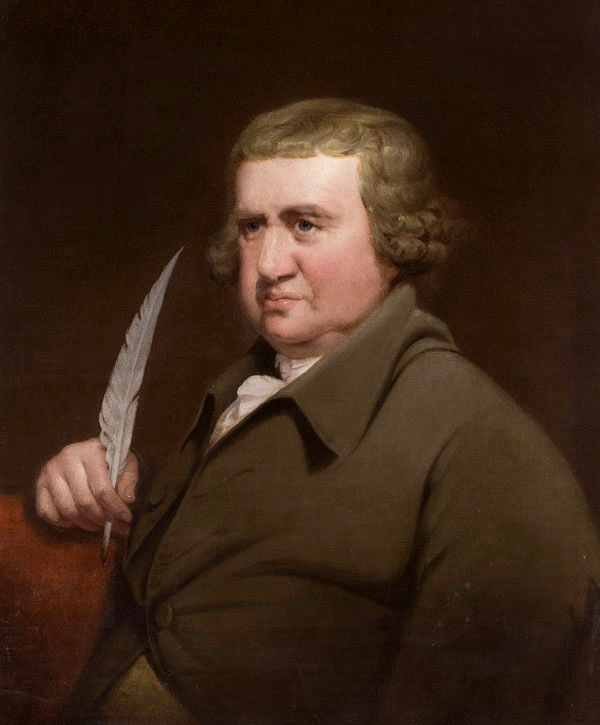
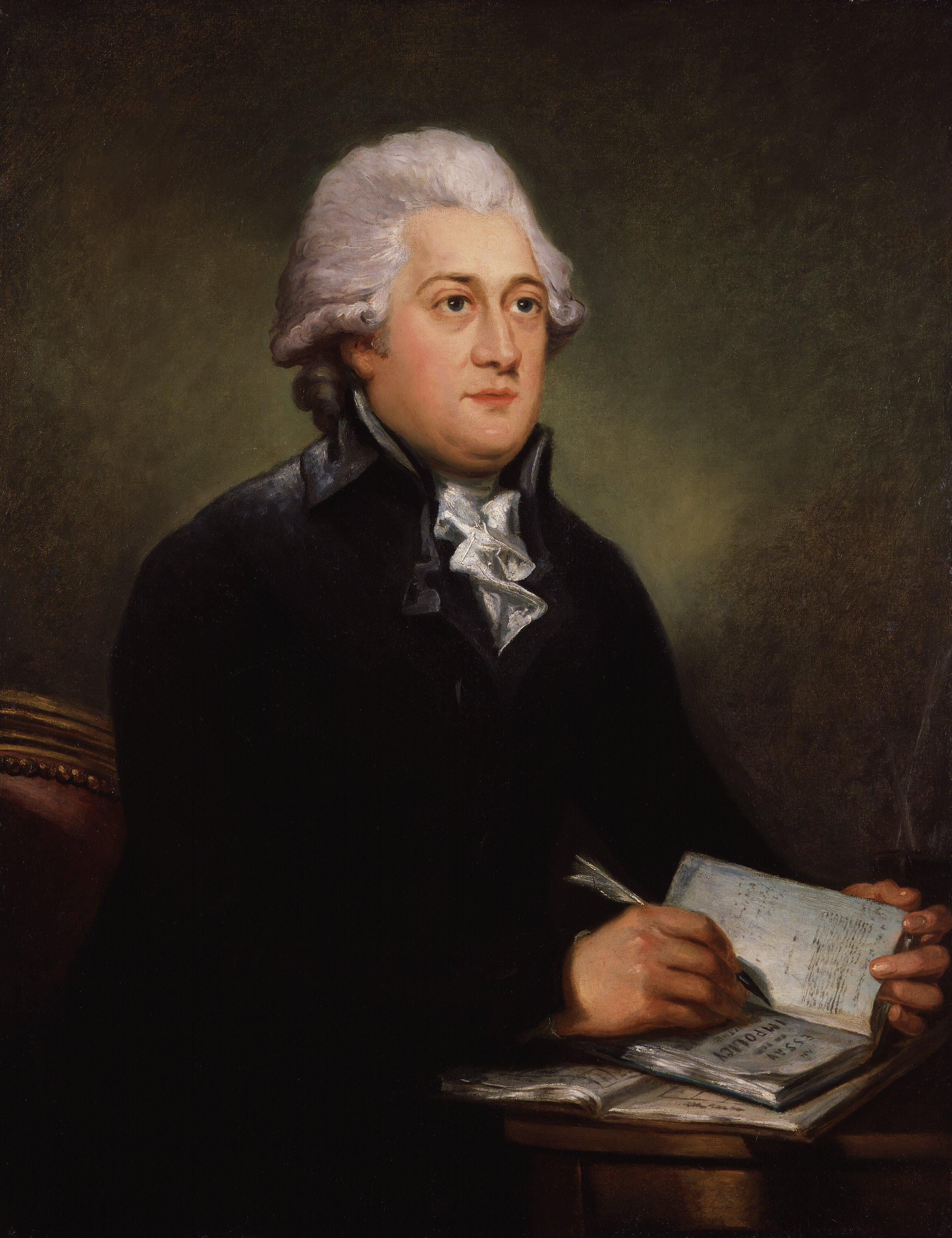
Edmund Deane was an English writer and physician, best known for his work 'Spadacrene Anglica: The English Spa Fountain,' published in 1626. This significant text is often regarded as one of the earliest comprehensive guides to the medicinal waters of England, reflecting the burgeoning interest in spa culture during the early 17th century. Deane's work not only cataloged various spa locations but also detailed their purported health benefits, contributing to the popularization of spa treatments in England and beyond. Deane's writings are notable for their blend of medical knowledge and literary style, as he sought to educate the public about the therapeutic properties of natural springs. His contributions to the field of health and wellness literature were influential during a time when the understanding of medicine was evolving. Although not as widely recognized today, Deane's work laid the groundwork for future explorations of the relationship between health and natural remedies, marking him as a significant figure in early modern English literature and medical discourse.
Famous Quotes
View all 1 quotes“The volume offers an overview of how British writers interpreted the French Enlightenment and Revolution against the backdrop of the Terror and the rise and fall of Napoleon, these events welcomed by few and feared by many in Britain as likely to foment a second revolution in that state as the United Irish insurrection had attempted to do in Ireland. Deane’s focus is on the intellectual careers of Edmund Burke, James Mackintosh, Samuel Taylor Coleridge, William Godwin, Percy Bysshe Shelley, and William Hazlitt, though there are slighter cameos also of William Wordsworth, Robert Southey, John Wilson Croker, Francis Jeffrey, Thomas Holcroft, Thomas Paine, and Joseph Priestley. The study teases out how the main figures here engaged conceptually with some of their leading French counterparts including Jean Jacques Rousseau, Montesquieu, Baron d’Holbach, La Mettrie, Helvétius, and others. It examines instances of the intricate relay of ideas of freedom and liberty as they migrated from England into the works of the eighteenth-century French philosophes and then travelled from there back to nineteenth-century England, where French writings were rejected or reabsorbed by some of the leading English writers of the apocalyptic years between Burke’s late career and those that ended the first Romantic generation.””
Books from the author


Link to this page
Add a free, dofollow link to Lex on your blog, forum, syllabus, or reading list.

<a href="https://lex-books.com/author/edmund-deane"><img src="https://lex-books.com/badges/read-on-lex.svg" alt="Edmund Deane on Lex" width="160" height="40"></a>[](https://lex-books.com/author/edmund-deane)[url=https://lex-books.com/author/edmund-deane][img]https://lex-books.com/badges/read-on-lex.svg[/img][/url]Edmund Deane on Lex: https://lex-books.com/author/edmund-deane