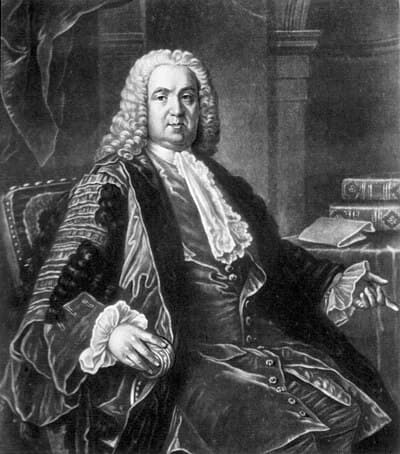
Richard Mead
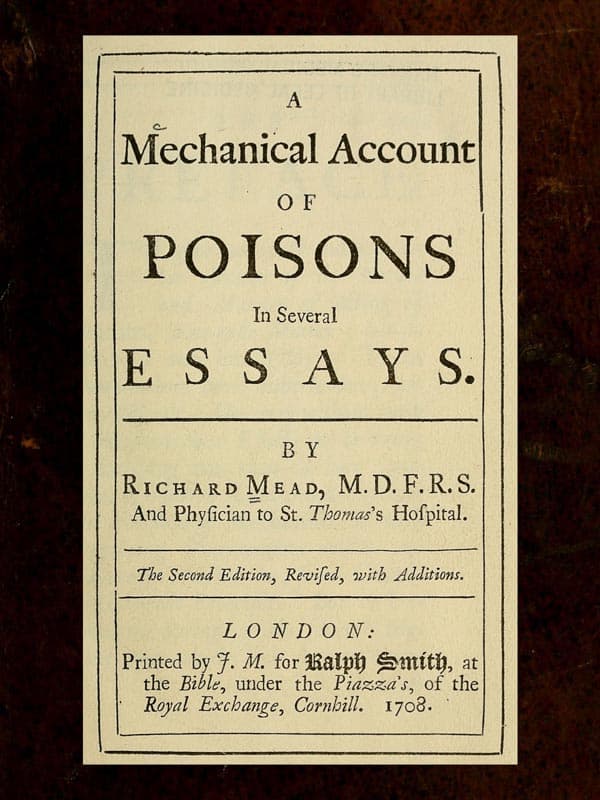
Richard Mead was an influential English physician whose contributions significantly advanced the understanding of infectious diseases in the early 18th century. Born in 1673, he became a prominent figure in the medical community, recognized for his scholarly approach to health and disease. His most notable work, 'A Short Discourse concerning Pestilential Contagion, and the Method to be used to prevent it' published in 1720, provided groundbreaking insights into the nature of contagion and laid the groundwork for modern epidemiology. Mead argued for the importance of sanitation and public health measures in controlling the spread of diseases, a revolutionary concept at the time. Mead's legacy extends beyond his writings; he was a member of the Royal Society and the Royal College of Physicians, reflecting his esteemed position among his peers. His work not only influenced contemporaries but also set the stage for future medical advancements in understanding infectious diseases. Through his research and advocacy for public health, Richard Mead played a crucial role in shaping medical practices and policies that prioritized the prevention of contagion, making him a pivotal figure in the history of medicine.
Famous Quotes
View all 6 quotes“There is no disease more to be dreaded than madness. For what greater unhappiness can befall a man than to be deprived of his reason and understanding.””
“gullible but immensely influential American anthropologist Margaret Mead,* and””
“MEADE ESPOSITO HAD a simple explanation for Rockefeller’s failure to achieve the presidency: “He was too liberal for the Republicans, and too conservative for the Democrats.” Were””
Books from the author














Link to this page
Add a free, dofollow link to Lex on your blog, forum, syllabus, or reading list.

<a href="https://lex-books.com/author/richard-mead"><img src="https://lex-books.com/badges/read-on-lex.svg" alt="Richard Mead on Lex" width="160" height="40"></a>[](https://lex-books.com/author/richard-mead)[url=https://lex-books.com/author/richard-mead][img]https://lex-books.com/badges/read-on-lex.svg[/img][/url]Richard Mead on Lex: https://lex-books.com/author/richard-mead